
Working with Wood Ear Mushroom Liquid Culture
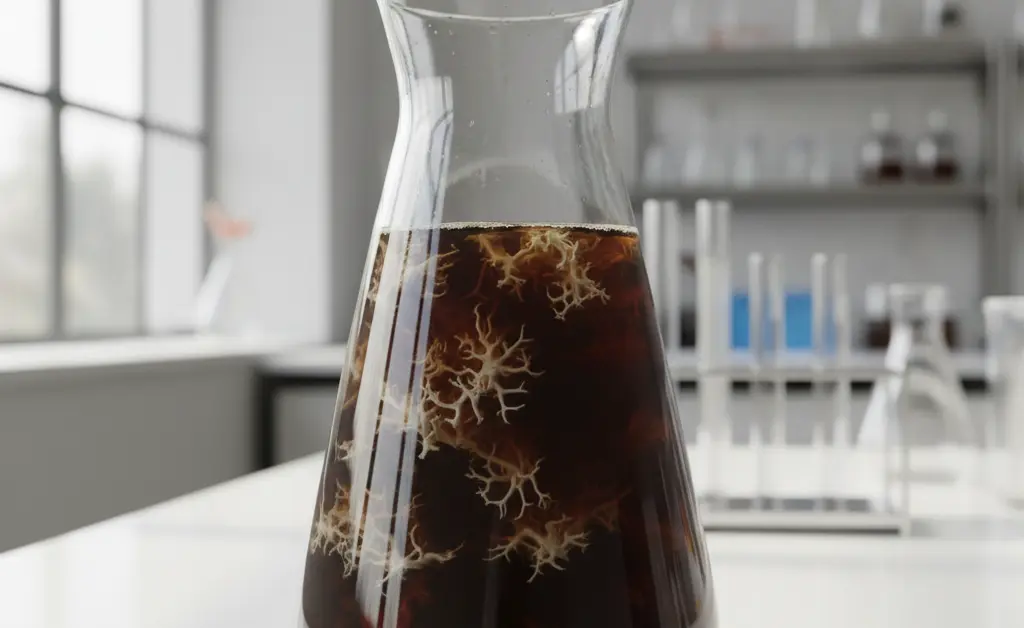
Imagine a concentrated essence of wood ear mushrooms, ready to be easily incorporated into your culinary creations or wellness practices. This is essentially what wood ear mushroom liquid culture offers. It’s a living, vibrant starter designed for convenience, allowing you to harness the unique textures and potential benefits of wood ear mushrooms without the initial cultivation steps. This prepared medium contains active fungal mycelium suspended in a nutrient-rich liquid, making it an accessible entry point for home growers and enthusiasts alike. It simplifies the process of working with this fascinating ingredient, opening up new possibilities for those interested in foraging, mycology, or simply exploring diverse food sources.
What is Wood Ear Mushroom Liquid Culture?
Wood ear mushroom liquid culture is a sterile solution containing live mushroom mycelium suspended in a nutrient-rich broth. Unlike spores, which are the fungal equivalent of seeds and need to germinate, a liquid culture contains actively growing mycelial tissue. This means it can colonize a substrate much faster, giving the desired fungus a head start against potential contaminants. The liquid itself typically consists of water mixed with simple sugars like honey, corn syrup, or malt extract, providing the necessary food for the mycelium to thrive.
The primary purpose of a liquid culture is to expand a small amount of mushroom genetics into a larger, easily distributable volume. For cultivators, this is an efficient way to inoculate multiple grain jars or substrate bags from a single source. The wood ear mushroom, known for its distinct gelatinous texture and mild flavor, has a long history in both culinary and traditional wellness practices, particularly in Asian cuisines. Using a prepared wood ear mushroom liquid culture simplifies the mushroom cultivation process, making this unique fungus more accessible to home growers and hobbyists.
How to Use Wood Ear Mushroom Liquid Culture
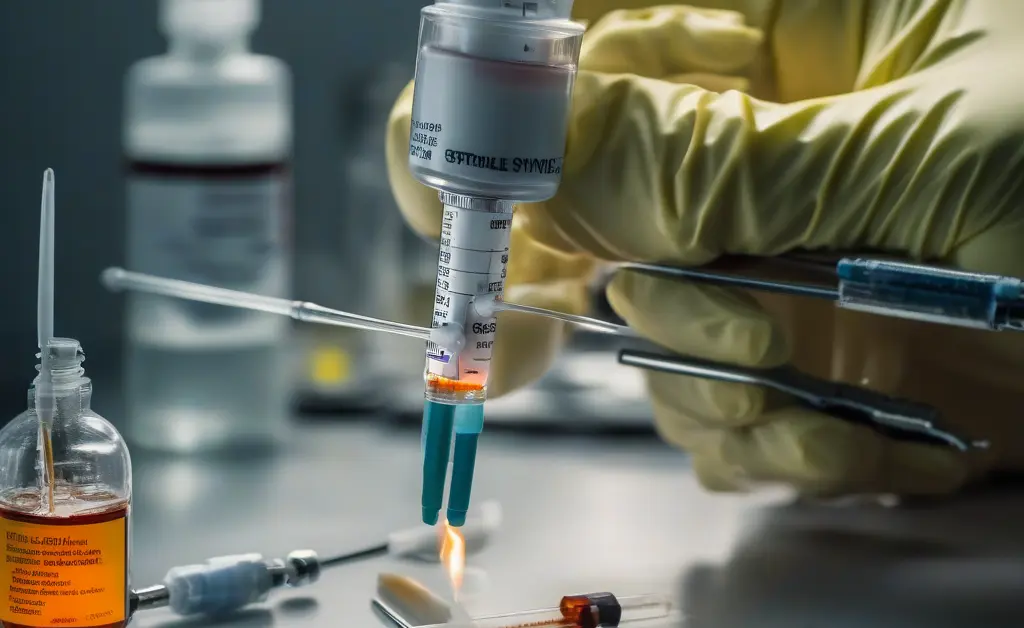
Using a liquid culture to start your mushroom cultivation project begins with the principle of sterile technique. Because the nutrient broth is also an ideal environment for bacteria and molds, maintaining a clean workspace is paramount to success. All tools, surfaces, and the injection site of your grain or substrate must be thoroughly sterilized, often with isopropyl alcohol and a flame for needles. Understanding the wood ear mushroom life cycle is fundamental to successful growth.
The process of inoculation involves drawing the liquid culture into a sterile syringe and then injecting it into a prepared medium. This medium is typically sterilized grain, such as rye or oats, which will become the “grain spawn.” Once the mycelium has fully colonized the grain, this spawn is then used to inoculate a larger bulk substrate where the mushrooms will eventually fruit. The use of a wood ear mushroom liquid culture can significantly reduce the time it takes for the mycelium to establish itself compared to starting from spores. After inoculation, the medium is kept in a warm, dark place to allow the mycelium to grow and spread. Considering optimal wood ear mushroom growing conditions is key for maximizing yields.
Tips for Storing and Maintaining Liquid Culture
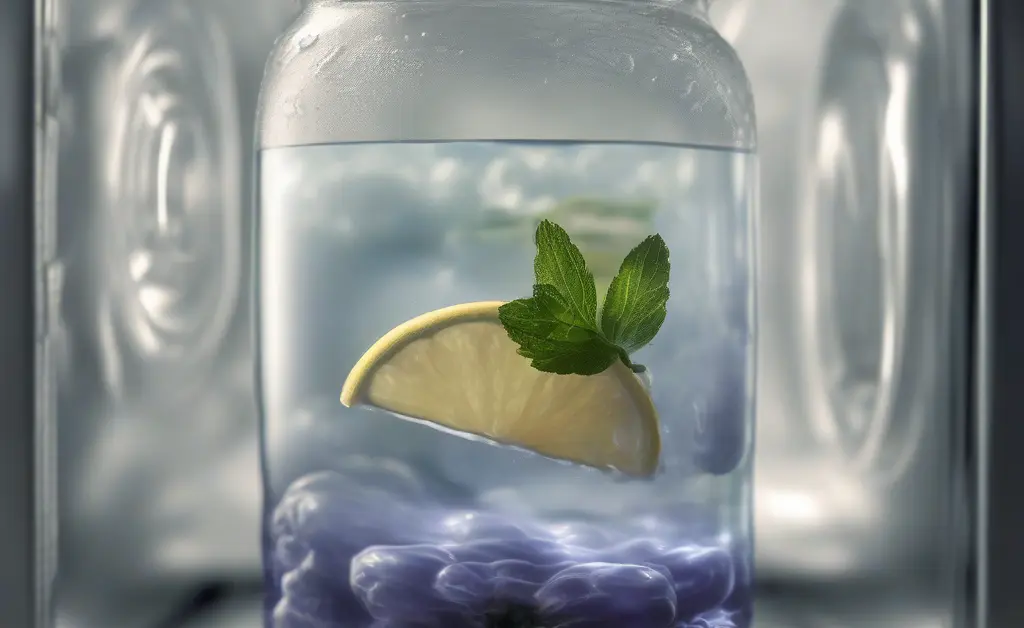
Proper storage is essential for preserving the viability and extending the shelf life of your liquid culture. The best practice is to store the culture in a cool, dark environment, with a refrigerator being the ideal location. The cold temperatures slow down the mycelium’s metabolism, putting it into a state of dormancy and preserving its energy. When stored correctly, a culture can remain viable for many months, and sometimes longer, though viability will naturally decrease over time.
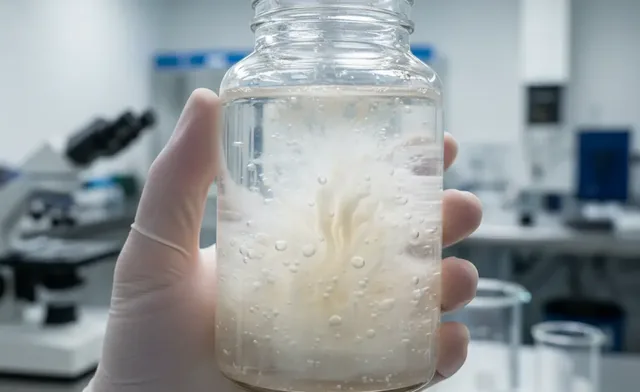
It is crucial to be able to identify a healthy culture versus one that has become contaminated. A healthy wood ear mushroom liquid culture should appear as a mostly clear liquid with visible strands or clouds of white mycelium floating within. Some slight cloudiness in the nutrient broth can be normal. However, signs of contamination include unusual colors like green, black, or pink, a foul or sour smell, or excessive, murky cloudiness that obscures the mycelium. If contamination is suspected, the culture should be discarded to avoid introducing unwanted organisms into your cultivation projects. Information on food safety and fungal contaminants is available from organizations like the European Food Safety Authority.
Working with wood ear mushroom liquid culture provides an efficient and rewarding path into the world of mycology. It streamlines the initial, often challenging, stages of mushroom cultivation by providing a vigorous and ready-to-grow mycelial network. By understanding the fundamentals of sterile technique, proper storage, and the inoculation process, enthusiasts can successfully cultivate their own wood ear mushrooms at home. This method not only simplifies growing but also deepens one’s connection to the fascinating life cycle of fungi.
While this article discusses health-related topics, it does not provide medical guidance. The information presented is for educational purposes only and should not be considered a substitute for professional medical advice, diagnosis, or treatment. Always seek the advice of your physician or another qualified health provider with any questions you may have regarding a medical condition. Never disregard professional medical advice or delay in seeking it because of something you have read in this article.
FAQ
Where can I buy wood ear mushroom liquid culture?
Wood ear mushroom liquid culture is typically available from specialized online retailers that focus on mycology supplies and mushroom cultivation. You can often find it from companies that provide a variety of mushroom cultures for both culinary and medicinal purposes. It is important to source from reputable suppliers to ensure the viability and genetic purity of the culture.
Continue reading
You May Also Like
Chanterelle Liquid Culture: From Recipe to Inoculation
Create your own vibrant chanterelle mushroom liquid culture with our simple recipe and step-by-step guide for successful inoculation at home.
Your Guide to Culinary Mushroom Liquid Culture
A culinary mushroom liquid culture is a simple solution of live mycelium that helps you grow gourmet mushrooms faster and with greater success.
Cultivate Enoki with Our Premium Liquid Culture
Grow your own delicate, mild-flavored enoki mushrooms at home with our premium enoki mushroom liquid culture in a ready-to-use syringe.