
Finding and Cooking NZ’s Hedgehog Mushroom
Before embarking on a foraging journey, many enthusiasts might overlook certain hidden gems in New Zealand’s diverse fungi landscape, leading to missed opportunities for culinary exploration. However, by understanding the specific characteristics and habitats of the hedgehog mushroom nz, foragers can transform their search into a successful harvest. This guide aims to equip you with the knowledge to confidently identify, locate, and prepare this distinctive edible fungus. Moving beyond mere recognition, we will delve into its preferred growing conditions, differentiate it from potential lookalikes, and explore various culinary applications, enhancing your foraging skills and ultimately enriching your dining experiences with this unique ingredient.
Hedgehog Mushrooms in New Zealand: Presence and Habitat
Are Hedgehog Mushrooms Found in NZ?
The Hedgehog mushroom, scientifically known as Hydnum repandum, is indeed found in New Zealand, much to the delight of local mushroom enthusiasts. Often referred to by other common names such as sweet tooth mushroom or wood hedgehog, this edible fungi species thrives in various ecosystems across the country. Its presence contributes to New Zealand’s rich biodiversity of edible mushrooms, offering a unique foraging experience. Successful identification of the hedgehog mushroom nz is key to a rewarding harvest. You can learn more about where to find hedgehog mushrooms by visiting where to find hedgehog mushroom.
Typical NZ Habitats and Growing Conditions
In New Zealand, Hedgehog mushrooms typically favor certain environments that provide the ideal conditions for their growth. They are commonly found in both native and introduced forests, often growing terrestrially (on the ground) rather than on wood. These mushrooms tend to form mycorrhizal associations with trees, meaning they have a beneficial symbiotic relationship with the roots of their host trees. This relationship often involves species like beech, oak, pine, and fir. They prefer well-drained soil, often with a good layer of leaf litter or moss, which helps retain moisture and provides nutrients. You might find them nestled amongst fallen leaves or emerging from the forest floor in damp, shaded areas.
Optimal Seasons for Finding Them in NZ
The optimal seasons for finding Hedgehog mushrooms in New Zealand generally span from late summer through autumn and into early winter, depending on the specific region and prevailing weather patterns. A combination of consistent moisture, such as rainfall, followed by cooler temperatures, often triggers their fruiting. However, seasonal variations can influence their appearance, making diligent observation and local knowledge valuable for successful foraging. It’s advisable to check local conditions and recent weather patterns, as well as consult local foraging guides, to determine the best times for a hunt.
Hedgehog mushroom nz identification
Accurate identification is paramount for any foraging activity, especially with fungi. The Hedgehog mushroom, or Hydnum repandum, has several distinctive features that make it relatively straightforward to identify, setting it apart from many other mushroom species. Understanding the general characteristics, including its unique spore-bearing surface, is crucial for safe collection. Its presence as a hedgehog mushroom nz offers a distinct opportunity for foragers.
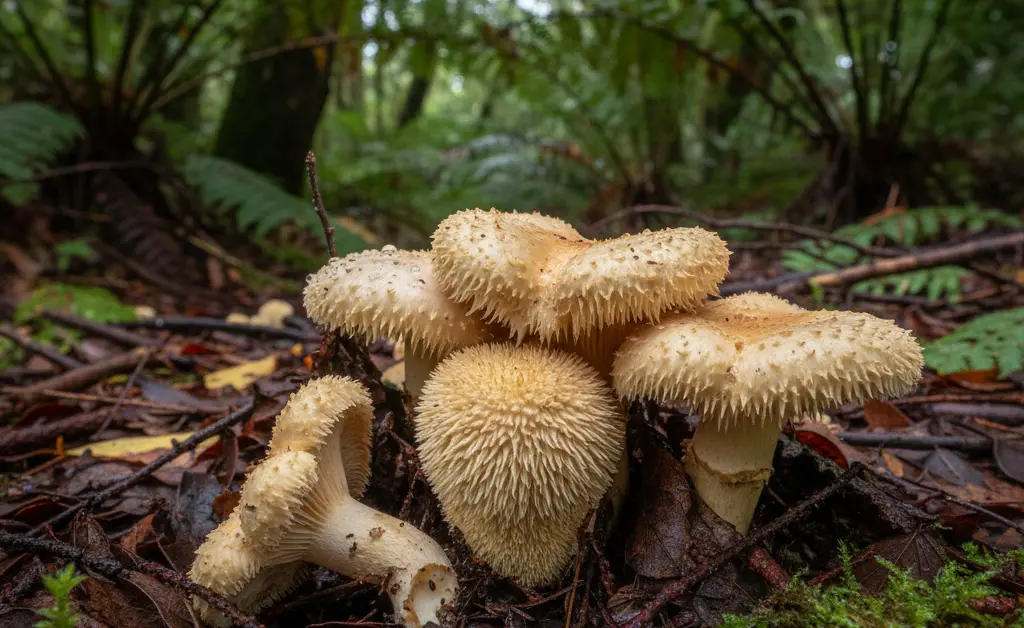
One of the most striking features of the Hedgehog mushroom is its spore-bearing surface. Unlike most mushrooms that have gills or pores, the Hedgehog mushroom boasts soft, brittle spines or ‘teeth’ on the underside of its cap. These spines are decurrent, meaning they extend down the stem, and are easily brushed off. This signature characteristic is what gives the mushroom its common name and is a primary differentiator from many lookalikes. For context on hedgehog mushrooms in other regions, you can explore information on the hedgehog mushroom UK.
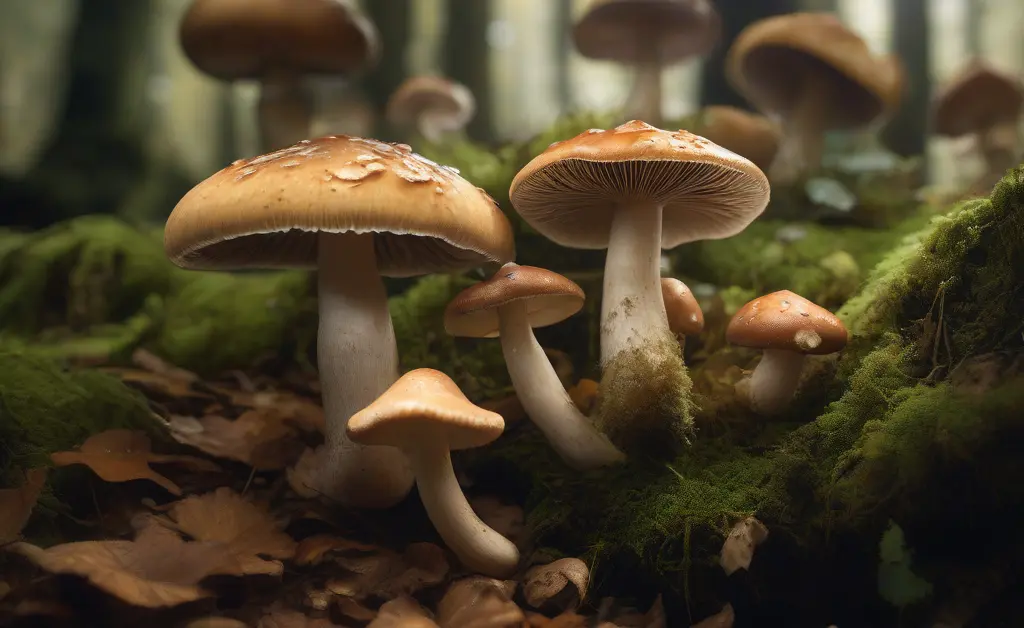
The cap and stem morphology also provides important clues. The cap typically ranges from off-white to yellowish, orangish, or brownish, and can be irregular in shape, often wavy or lobed. It usually measures between 5 to 15 centimeters across. The stem, or stipe, is often stout, off-center or central, and usually the same color as the cap or slightly lighter. The flesh is firm and brittle, with a pale color that does not typically change much upon bruising.
Identifying Lookalikes in New Zealand
While the Hedgehog mushroom is relatively distinctive, especially due to its spines, it’s still important to be aware of potential lookalikes. Fortunately, there are no known deadly poisonous mushrooms in New Zealand that closely resemble Hydnum repandum with its unique teeth-like underside. However, other edible species might share some superficial characteristics, and it is always best to forage with caution and be 100% confident in your identification. Many scientific resources, such as those found on ncbi.nlm.nih.gov, can aid in understanding mycology.
For instance, some species of Chanterelles (Cantharellus spp.) can have a similar overall shape and color, but they possess false gills (folds in the cap tissue) instead of spines. Other mushrooms might have white caps but lack the characteristic spines entirely. A key rule for foragers is: “When in doubt, throw it out.” Always consult multiple reliable field guides or an experienced local expert if there is any uncertainty about a mushroom’s identity, especially when differentiating from potentially poisonous mushrooms.
Hedgehog mushroom nz edible
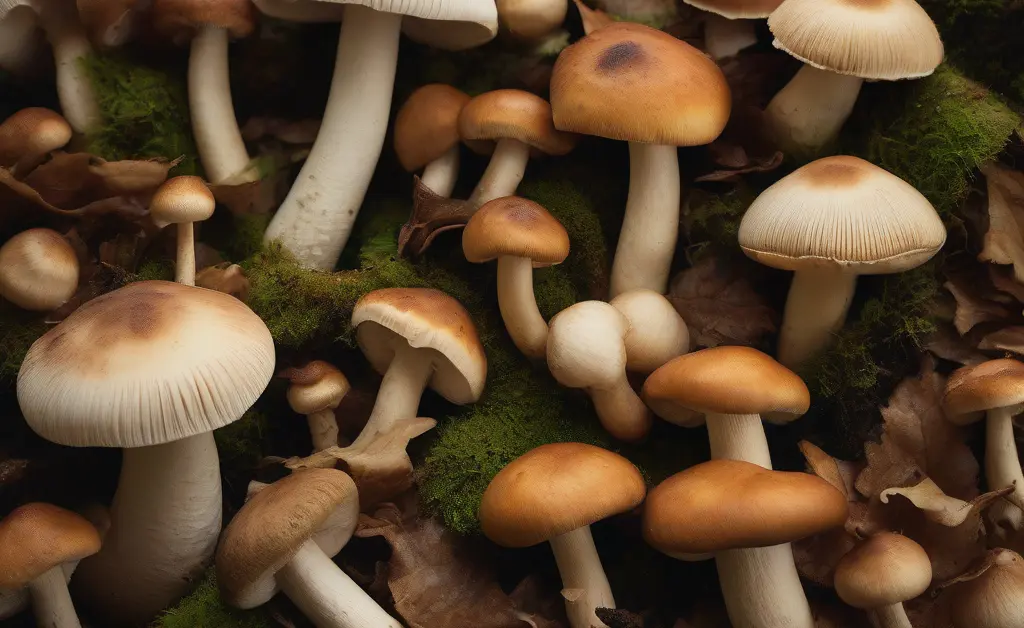
The Hedgehog mushroom (Hydnum repandum) is widely regarded as an excellent edible species, making it a prized find for foragers in New Zealand. Its firm texture and mild, slightly peppery flavor contribute to its culinary appeal. When foraging for any wild mushroom, including the hedgehog mushroom nz, it is crucial to practice ethical foraging practices. This involves harvesting responsibly to ensure the sustainability of the mushroom population and its ecosystem. Only take what you need, avoid disturbing the surrounding flora, and consider leaving some specimens behind to allow them to drop spores and continue their life cycle.
Hedgehog mushroom nz taste
The taste of the hedgehog mushroom nz is often described as mild, nutty, and slightly peppery, with a pleasing earthy undertone. Unlike some other wild mushrooms, it typically does not have an overpowering or strong ‘mushroomy’ flavor, making it quite versatile in cooking. Its flavor profile is generally well-received, even by those who might be hesitant about more intensely flavored fungi. The texture is another highlight; it’s notably firm and somewhat crunchy when young, becoming a bit softer but still substantial when cooked, holding its shape well in various dishes.
Culinary Aspects of Hedgehog Mushrooms
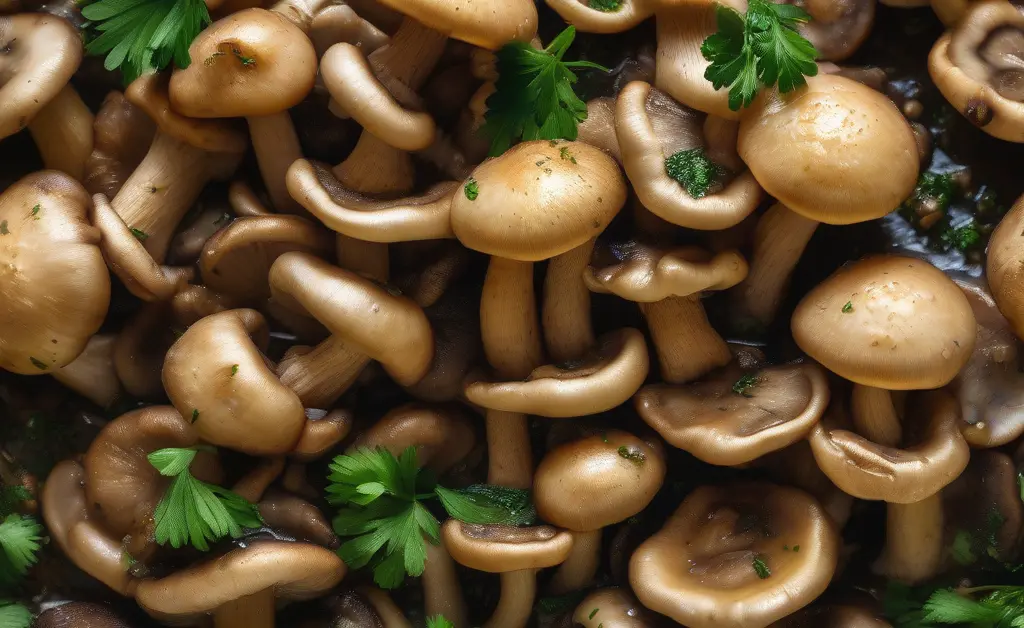
Hedgehog mushrooms are highly valued in the culinary world due to their unique texture and appealing flavor. They are quite versatile and can be used in a variety of dishes. Before cooking, it’s generally recommended to brush off any dirt or debris and, if desired, lightly trim the spines, though they are perfectly edible and tend to soften considerably during cooking. They don’t typically require extensive cleaning. Some preparation and cooking tips include sautéing them in butter or olive oil with garlic and herbs to highlight their natural flavor, adding them to omelets, quiches, or frittatas, or incorporating them into risottos and pasta dishes.
Their firm texture means they hold up well in stews or braises, absorbing flavors without becoming mushy. They can also be a delightful addition to stir-fries or as a side dish to roasted meats or poultry. The natural slight bitterness that some older specimens might possess can often be reduced by briefly blanching them before sautéing. Considering other regional variations, you might find it interesting to read about the hedgehog mushroom in Washington State, which you can find at hedgehog mushroom Washington State.
Hedgehog mushroom nz recipes
The versatility of Hedgehog mushrooms makes them a wonderful ingredient in many recipes. For a simple yet delicious approach, try them sautéed with butter, garlic, and fresh parsley, served as a side or on toast. They also shine in creamy sauces, making them an excellent accompaniment to chicken or pasta. Consider making a rich risotto where the mushrooms can impart their earthy notes, or incorporate them into a hearty mushroom soup. For a more adventurous dish, they can be pickled or marinated to enjoy later, or even dried for long-term storage and rehydrated for use in winter casseroles.
They blend well with other autumnal flavors like thyme, rosemary, and sage. Their firm texture means they can be roasted with other root vegetables, adding a unique dimension to the dish. Whether you’re aiming for a gourmet meal or a simple, comforting dish, the Hedgehog mushroom offers a delightful culinary experience that can elevate everyday cooking. To explore more about hedgehog mushrooms in other locations, check out information on hedgehog mushrooms in Georgia at hedgehog mushroom Georgia.
Foraging for and enjoying the Hedgehog mushroom offers a unique connection to New Zealand’s natural environment and a rewarding culinary experience. By understanding its characteristics, preferred habitats, and safe identification practices, you can confidently add this distinctive fungus to your kitchen repertoire. Remember to always forage responsibly, respecting both the environment and the sustainability of this wonderful edible mushroom.
This content is for informational use and should not be considered medical instruction. It is important to exercise extreme caution and ensure 100% positive identification before consuming any wild mushroom, as misidentification can lead to serious health risks. Always consult with an experienced mycologist or trusted expert if there is any doubt about the identity of a foraged mushroom. The information provided does not endorse or encourage the consumption of wild mushrooms without proper identification and understanding of potential risks.
FAQ
Are hedgehog mushrooms found in New Zealand?
Yes, hedgehog mushrooms are found in New Zealand. They are an edible species that can be a welcome discovery for foragers.
Where can I forage for hedgehog mushrooms in NZ?
Hedgehog mushrooms in NZ are often found in mixed woodlands, particularly under beech and birch trees. Look for them in areas with leaf litter and damp soil.
What time of year do hedgehog mushrooms grow in New Zealand?
These mushrooms typically appear in New Zealand during the autumn months. This is when the cooler, damp conditions create an ideal environment for their growth.
How do I identify a hedgehog mushroom in NZ?
Hedgehog mushrooms are recognized by their distinctive downward-pointing spines, or “teeth,” on the underside of the cap, rather than gills or pores. The caps are usually convex to flattened and range in color from yellowish-brown to orange-brown.
Are there any similar-looking poisonous mushrooms in New Zealand?
While hedgehog mushrooms are generally easy to identify by their unique spines, it is always important to be absolutely certain of any wild mushroom identification. Misidentification can lead to consuming toxic species.
Continue reading
You May Also Like
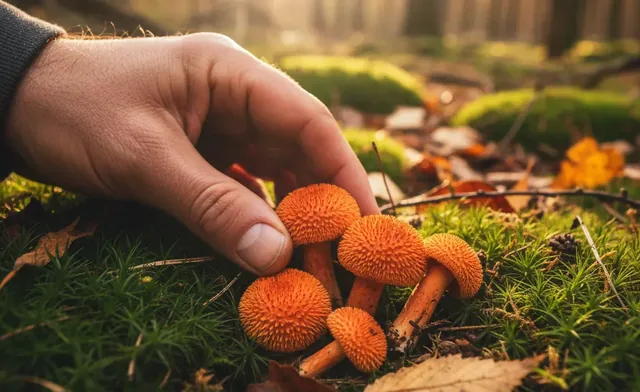
A Forager's Guide to Finding Hedgehog Mushrooms
Figuring out where to find hedgehog mushroom is simpler when you understand the specific forest habitats and key seasonal timings they require.
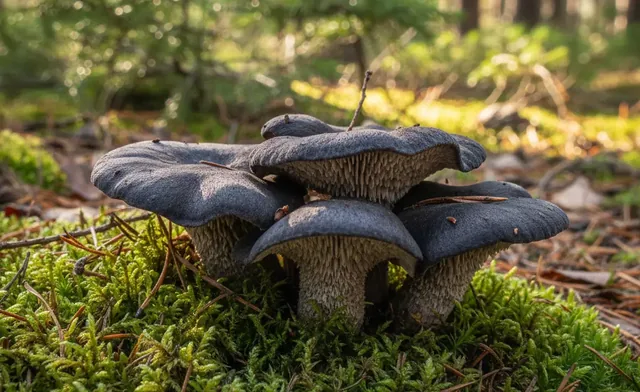
What to Know About Black Hedgehog Mushrooms
The black hedgehog mushroom is a sought-after edible, but proper identification is crucial to distinguish it from any poisonous look-alikes.
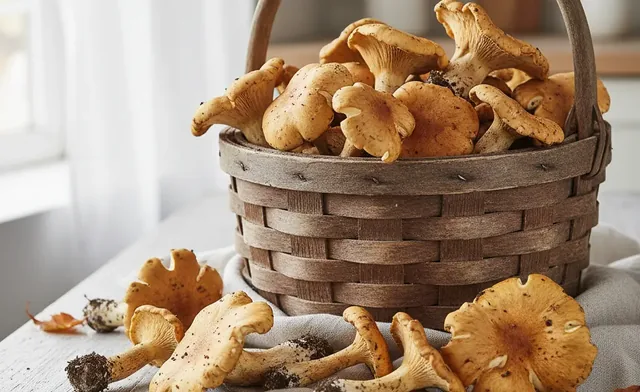
Your Premier Source for Fresh Hedgehog Mushrooms
Enjoy the sweet, nutty flavor of wild-foraged fungi when you buy hedgehog mushroom from our store, with fast and fresh delivery on all orders.