
Guide to Identifying Hedgehog Mushrooms in Ontario
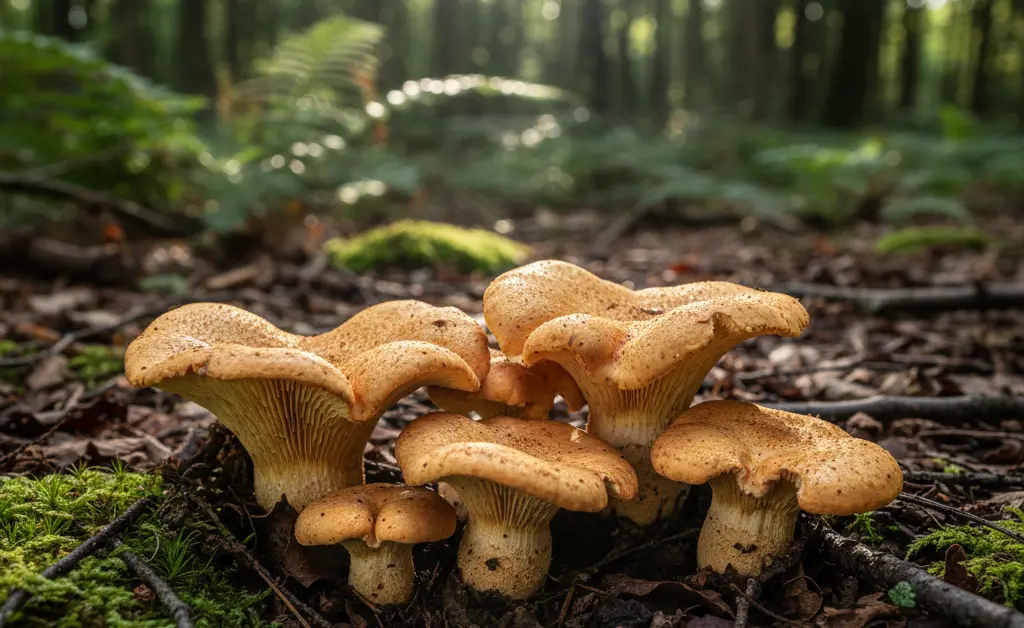
Hedgehog mushrooms are prized by foragers for their unique, tooth-like spines on the underside of their caps, a feature that distinguishes them from most other fungi. These firm, flavorful edibles offer a delightful addition to various culinary dishes, known for their slightly sweet and nutty taste. For enthusiasts and new explorers alike, understanding how to accurately identify this species is crucial for safe and successful foraging. This guide provides comprehensive information on recognizing the distinct characteristics of the Hedgehog mushroom ontario, helping you confidently locate and enjoy this woodland treasure during its prime seasons. We will cover their appearance, typical habitats, and key differences from potential look-alikes.
Hedgehog mushroom ontario identification
Accurate identification is paramount when foraging for wild mushrooms. The Hedgehog mushroom ontario, known scientifically as *Hydnum repandum*, possesses several key features that set it apart from other species, making it relatively straightforward to identify for an experienced eye. Understanding these characteristics helps ensure a safe and successful foraging experience in the diverse forest ecosystems of the region.
Hedgehog Mushroom (Hydnum repandum) in Ontario
The Hedgehog mushroom, or *Hydnum repandum*, is a widely sought-after edible fungus in Ontario. It belongs to a group of fungi characterized by spine-like projections instead of gills or pores on the underside of its cap. This unique morphology is its most distinguishing trait and helps differentiate it from many other mushroom species. They are often found growing solitarily or in scattered groups, sometimes appearing in significant patches across the forest floor. You can learn more about where to find hedgehog mushroom.
Identification
To confidently identify Hedgehog mushrooms, foragers should observe a combination of features including the cap, the underside (where the spines are located), the stem, and the flesh. A holistic assessment of these elements helps to confirm its identity and distinguish it from any potentially confusing species.
Cap Characteristics
The cap of the Hedgehog mushroom can vary in color from pale cream to orange-brown, often with a slightly irregular or wavy margin. It is typically convex when young, flattening out or becoming somewhat depressed with age. The surface of the cap is generally dry and may feel velvety or smooth. Its size can range considerably, but mature specimens often reach a diameter of several inches.
Underside and Spines
The most defining characteristic of the Hedgehog mushroom is its underside, which features soft, brittle, tooth-like spines instead of gills. These spines are typically the same color as the cap, or slightly paler, and can be easily broken off. Unlike gills, which are fixed, the spines are decurrent, meaning they run down the stem to some extent. This unique structure is a critical identification marker for the species.
Stem Features
The stem, or stipe, of *Hydnum repandum* is usually sturdy and often off-center or irregular, though it can sometimes be central. It is generally short and thick, ranging in color from whitish to the same hue as the cap. The texture of the stem is typically smooth, and it tends to be solid rather than hollow. There is no ring or volva present on the stem, which helps to rule out certain other mushroom types.
Flesh and Bruising
The flesh of the Hedgehog mushroom is firm and brittle, typically white or off-white. When cut or bruised, it usually does not change color significantly, though some specimens may show a slight yellow or orange tint. The odor is often described as mild or mushroomy, and the taste raw is generally mild, becoming sweeter and nuttier when cooked.
Typical Growing Environments
Hedgehog mushrooms thrive in a variety of woodland habitats across Ontario. They are mycorrhizal, forming symbiotic relationships with the roots of certain trees. They are commonly found in both coniferous and deciduous forests, often preferring mossy areas or leaf litter. They can appear in diverse soil types, from sandy to loamy, as long as there is adequate moisture and suitable tree hosts.
Optimal Foraging Seasons
In Ontario, the optimal foraging seasons for Hedgehog mushrooms typically span from late summer through late autumn. Depending on weather patterns and regional variations, they can begin to appear in August and continue to fruit well into October or even November, especially after periods of rainfall. Consistent moisture and moderate temperatures are key to their fruiting success.
What are hedgehog mushrooms near maple trees?
Hedgehog mushrooms can indeed be found growing near maple trees, as these trees provide a suitable mycorrhizal partner. While they are not exclusive to maples, finding them in such hardwood forests is common. Foragers should pay close attention to the base of maple trees, as well as oaks, beeches, and conifers, as these are all potential hosts for this sought-after edible fungus.
Distribution
The Hedgehog mushroom ontario is broadly distributed throughout the province wherever suitable woodland habitats exist. They are commonly encountered in provincial parks, conservation areas, and other forested regions. Their widespread presence makes them a popular target for foragers across many different parts of Ontario, from the southern regions to more northern forests. If you are interested in their presence in other regions, you can learn about the hedgehog mushroom georgia.
Hedgehog mushroom ontario look alike
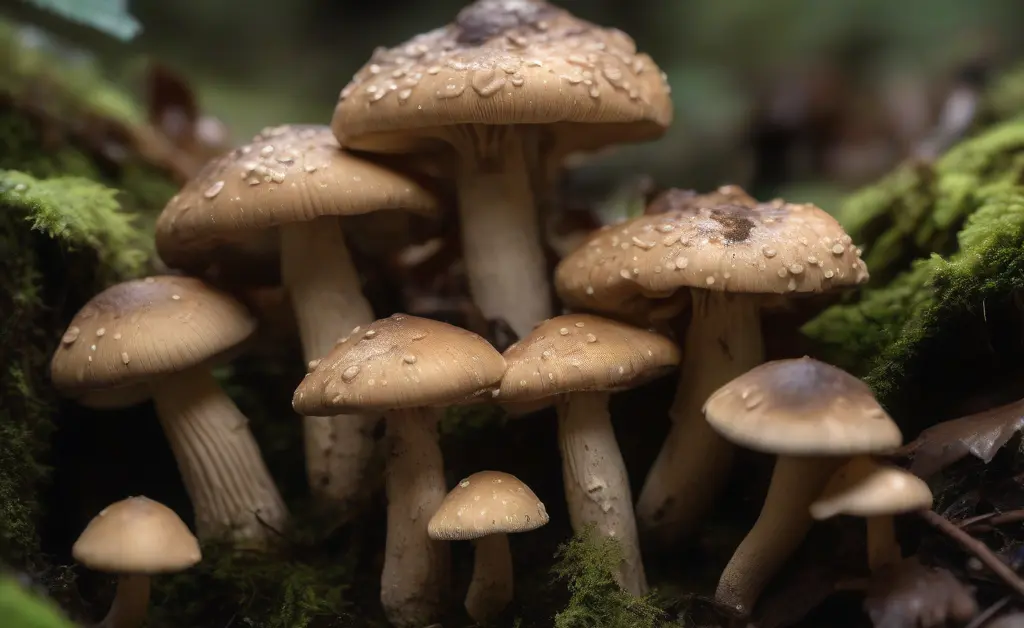
While the distinct spines of the Hedgehog mushroom ontario make it relatively easy to identify, it is still crucial to be aware of potential look-alikes. Most similar species are also edible, but careful identification ensures that you are collecting your intended target and helps to avoid any confusion with less desirable or even mildly toxic fungi that might share certain superficial similarities. You may find information on the hedgehog mushroom oregon.
Key Differences from Similar Species
One of the primary species that might be confused with *Hydnum repandum* is the closely related *Hydnum rufescens*, sometimes called the Terracotta Hedgehog. This species is generally smaller, has a more reddish-orange cap, and its spines do not typically run as far down the stem. Both are considered edible. Other fungi with gill structures are easily distinguished by the absence of true spines. There are no known dangerously poisonous species that closely mimic the unique spine-bearing underside of the Hedgehog mushroom. Always confirm all key identification features before consumption.
Hedgehog mushroom ontario edible
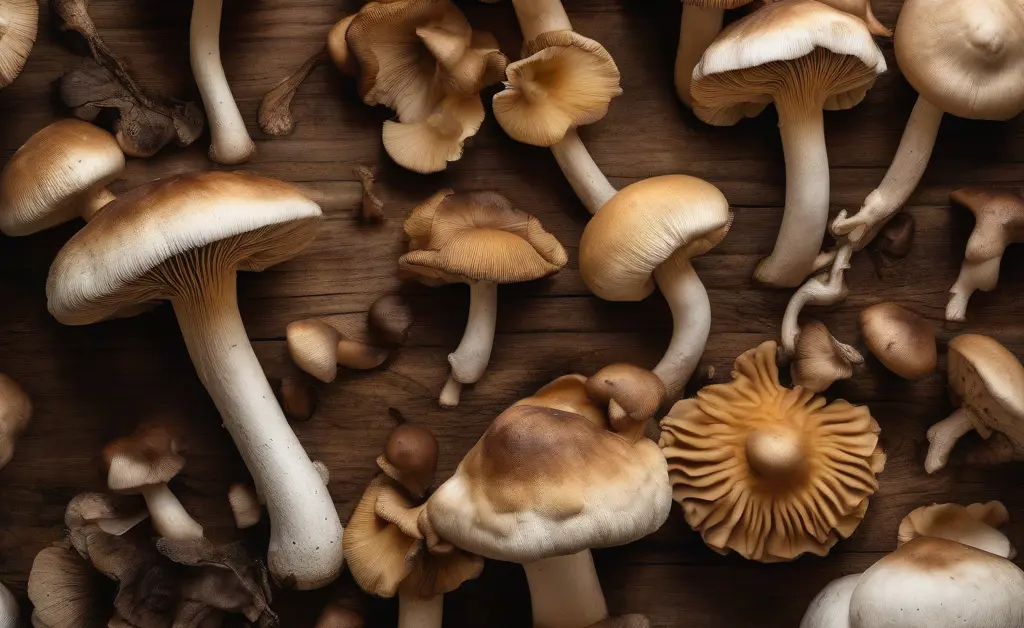
The Hedgehog mushroom ontario is highly regarded for its edibility and is a favorite among foragers and chefs alike. Its firm texture and pleasant flavor make it a versatile ingredient in many dishes. When prepared correctly, it offers a delightful culinary experience, distinguishing it as a valuable find in the wild.
Hedgehog mushroom – Edibility
Hedgehog mushrooms are widely considered an excellent edible species. They possess a mild, slightly sweet, and nutty flavor that intensifies upon cooking. Their firm, somewhat crunchy texture holds up well to various cooking methods. It is generally recommended to cook Hedgehog mushrooms thoroughly before consumption. While usually mild, some individuals may experience digestive upset if they consume a large quantity of any wild mushroom they haven’t eaten before. As with all wild edibles, it is prudent to try a small amount first to ensure individual tolerance.
Hedgehog mushroom ontario recipes
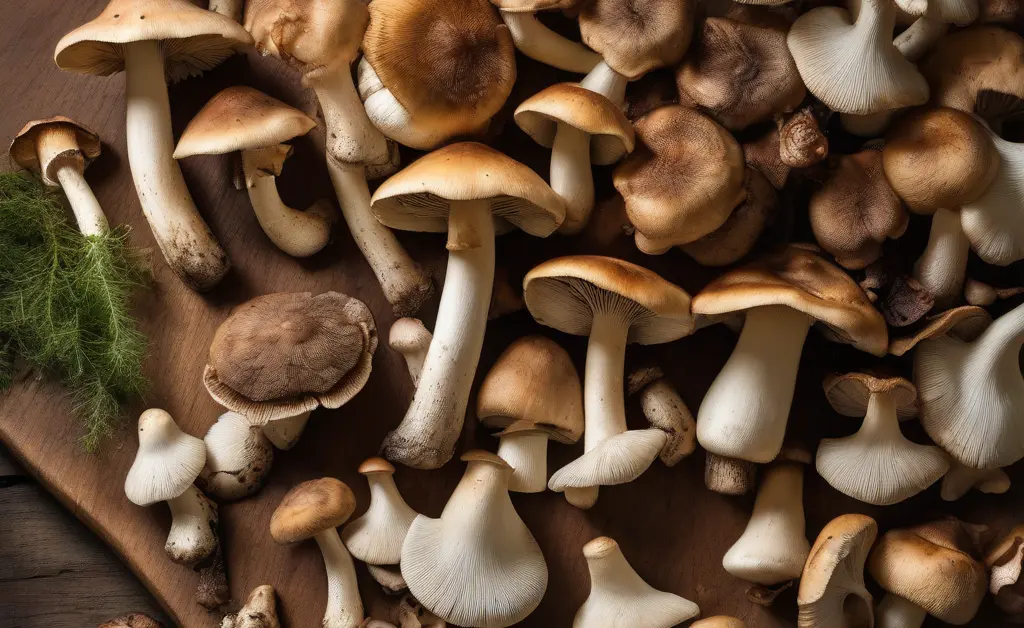
The culinary versatility of the Hedgehog mushroom ontario makes it an exciting ingredient for home cooks. Its robust flavor and texture complement a wide range of dishes, from simple sautéed preparations to more complex gourmet creations. When preparing Hedgehog mushrooms, it’s important to clean them thoroughly to remove any debris from their spines and caps.
One popular way to enjoy these mushrooms is to simply sauté them with butter, garlic, and herbs. Their flavor also shines in risottos, pasta dishes, and creamy sauces. They can be added to stir-fries, incorporated into omelets or quiches, or used as a flavorful topping for pizzas and bruschetta. Their firm flesh means they can also be roasted or grilled, retaining a pleasant chewiness. The subtle nutty notes of the Hedgehog mushroom ontario pair well with rich flavors, making them an excellent addition to meat dishes or a hearty vegetarian main course. Freezing cooked hedgehog mushrooms is also a viable option for preserving their flavor for later use.
The content provided in this article is intended for informational learning, not clinical application. This information should not be used for diagnosing or treating a health problem or disease, and it is not a substitute for professional care. If you have or suspect you may have a health problem, you should consult your healthcare provider.
FAQ
What does a hedgehog mushroom look like in Ontario?
Hedgehog mushrooms in Ontario are typically recognized by their convex to flattened caps, which can range in color from pale yellow to orange-brown. Instead of gills, they feature tooth-like spines on their underside that are usually the same color as the cap. These mushrooms have a firm texture and a mild, nutty flavor when cooked.
Where can I find hedgehog mushrooms in Ontario?
These mushrooms often grow in deciduous and coniferous forests throughout Ontario, preferring areas with mossy ground cover. They are commonly found near the base of hardwood trees, particularly oak and beech, and can appear in scattered groups or sometimes in larger fairy rings.
When is the best time to find hedgehog mushrooms in Ontario?
The prime season for encountering hedgehog mushrooms in Ontario generally spans from late summer through fall. They typically emerge after periods of consistent rainfall, making early autumn a particularly fruitful time for foragers.
Are there any poisonous look-alikes to hedgehog mushrooms in Ontario?
While the hedgehog mushroom is generally considered distinct, it is always important to exercise caution when identifying wild fungi. Some species with similar cap colors might be confused by inexperienced foragers, though the presence of spines instead of gills is a key characteristic that helps differentiate the hedgehog mushroom from most other edible or poisonous mushrooms.
Continue reading
You May Also Like
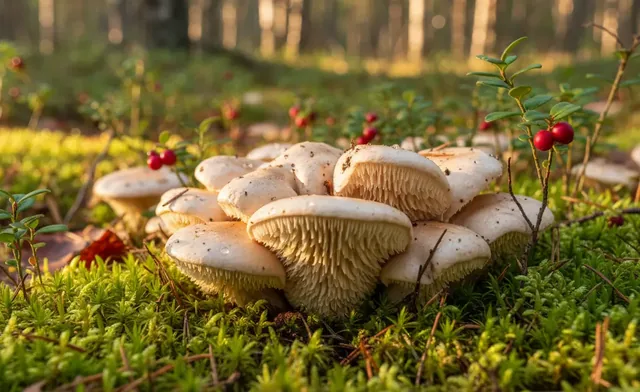
Identifying the Hedgehog Mushroom in Finnish
The common name for the hedgehog mushroom in Finnish is vaaleaorakas, a popular edible fungus for foragers throughout the country's forests.
Your Guide to Foraging and Identifying Turkey Tail Mushrooms in Ontario
Get essential insights into identifying and safely foraging for turkey tail mushroom ontario, distinguishing it from look-alikes with practical tips.
What to Know About Black Hedgehog Mushrooms
The black hedgehog mushroom is a sought-after edible, but proper identification is crucial to distinguish it from any poisonous look-alikes.