
The Growth Timeline of a Puffball Mushroom
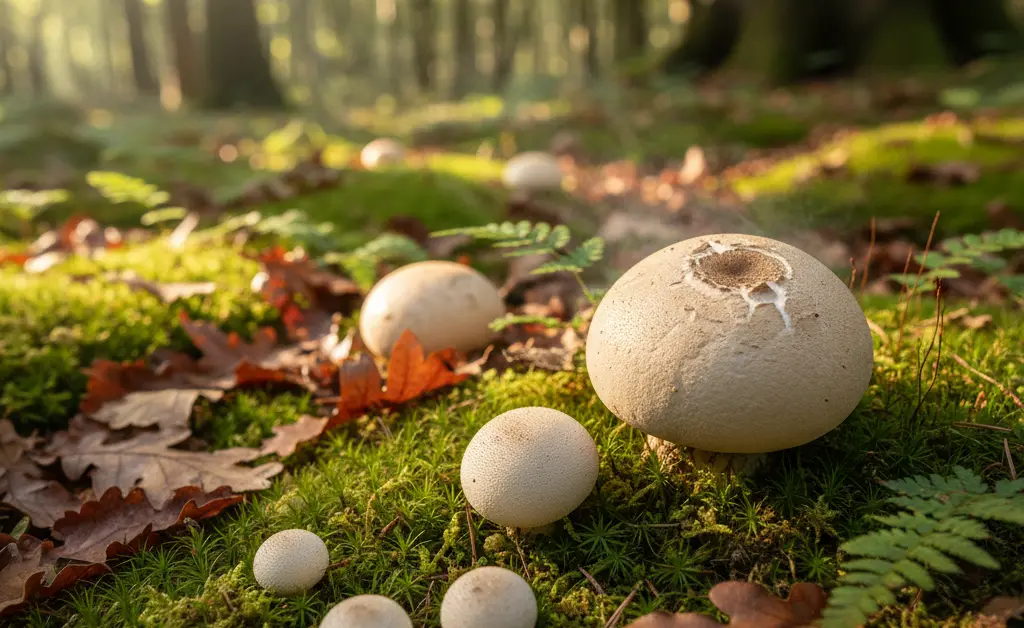
Many people are fascinated by the sudden appearance of puffball mushrooms in their yards or local forests, often wondering about their life cycle and, specifically, how long does it take for a puffball mushroom to grow. These unique fungi, known for their distinct appearance and edible qualities when young, exhibit a growth timeline that can vary significantly based on species, environmental conditions, and available nutrients. Understanding the factors that influence their development from a tiny spore to a mature, spore-releasing body can provide valuable insights into mycology and natural processes. This article delves into the typical growth phases, key environmental influences, and species-specific timelines that define the fascinating journey of puffball mushrooms.
Understanding Puffball Mushroom Growth Cycles
The life cycle of a puffball mushroom, like most fungi, begins with microscopic spores. These spores, released from mature puffballs, are carried by wind or water until they land in a suitable environment. Upon germination, the spore develops into a network of fine, thread-like structures called hyphae, which collectively form a mycelium. This mycelium grows hidden beneath the soil or within decaying wood, absorbing nutrients from its substrate. The transition from a germinating spore to a visible fruiting body is a complex process. Many wonder how long does it take for a puffball mushroom to grow from this initial mycelial stage to a full-sized mushroom. This period, known as the puffball mushroom development stage, typically involves a significant build-up of biomass before the fruiting body emerges. A deeper understanding of the puffball mushroom life cycle can explain these developmental stages.
The Rapid Growth Phase of Puffballs
Once conditions are optimal and the mycelium has accumulated sufficient resources, it begins to form a primordium, which is the embryonic stage of the mushroom. This small, often pinhead-sized structure rapidly expands into the recognizable spherical or pear-shaped puffball. This rapid growth phase is what most observers notice and is often quite impressive due to its speed. The puffball mushroom growth rate during this period can be surprisingly fast, with some species increasing significantly in size within a matter of days. This accelerated development is driven by a surge of water uptake and cell expansion, allowing the fruiting body to inflate rapidly.
Dwarf Puffball Growth Period
Dwarf puffball species, such as those belonging to the genus Lycoperdon, tend to follow a similar growth pattern but on a smaller scale. Their overall puffball mushroom growth timeline is often shorter than their larger counterparts. From the emergence of the primordium, these smaller puffballs can reach full maturity in a relatively brief period, sometimes within a week or two under ideal conditions. Their development is still dependent on the robust growth of the underlying mycelium, but their less substantial fruiting bodies require fewer resources and less time to fully develop and prepare for spore release.
Factors Influencing Puffball Growth Speed
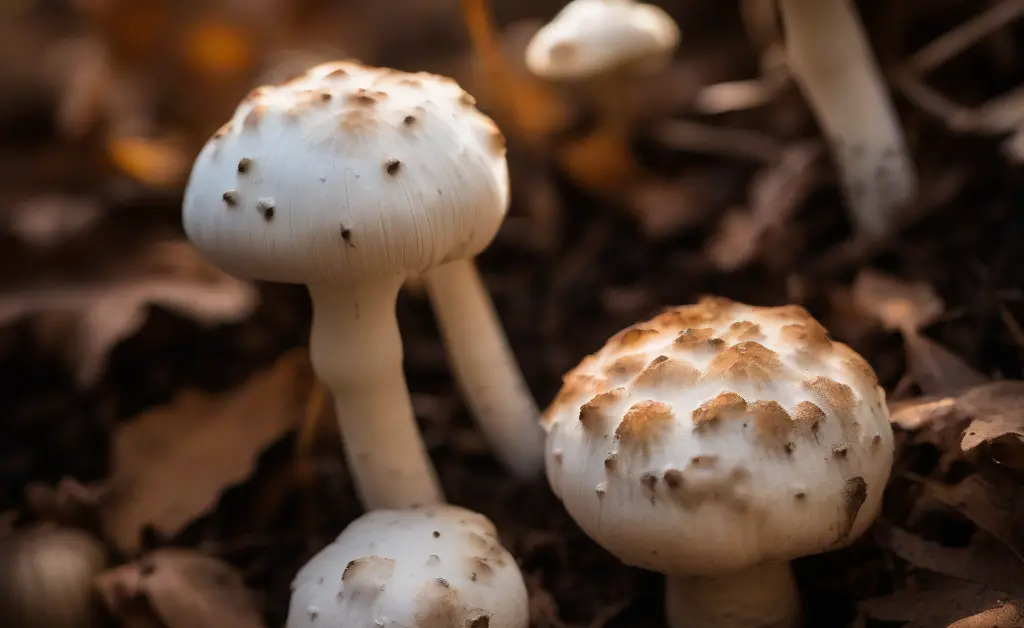
Several environmental and biological factors significantly impact the speed at which puffball mushrooms develop. Understanding these influences is key to grasping how long does it take for a puffball mushroom to grow from its subterranean mycelial network to a mature, spore-bearing structure. Moisture is paramount; puffballs require consistent humidity and available water in their environment to expand rapidly. Periods of drought can significantly slow or halt their development. Temperature also plays a crucial role, with most puffball species thriving in moderate temperatures, typically during late summer and autumn, which represent their prime puffball mushroom fruiting time. Extreme cold or heat can inhibit growth.
Nutrient availability in the substrate is another critical factor. Puffballs are saprophytic, meaning they obtain nutrients from decaying organic matter. A rich supply of decomposing wood, leaf litter, or other organic material provides the necessary fuel for mycelial growth and subsequent fruiting body formation. Conversely, poor or depleted soil conditions will lead to slower growth or fewer fruiting bodies. Sunlight exposure, while not directly feeding the fungus, can indirectly affect soil temperature and moisture levels. Finally, the presence of pests and diseases can also influence growth speed, as damaged mycelium or fruiting bodies may struggle to develop properly.
Timeline for Different Puffball Varieties
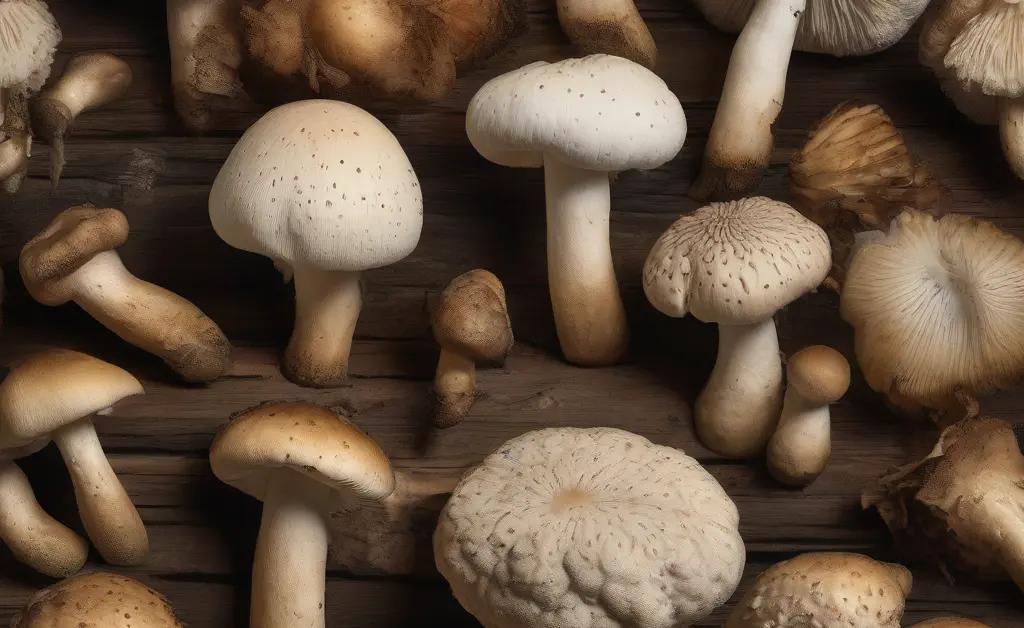
The timeline for how long does it take for a puffball mushroom to grow can vary considerably between different species. While the general growth cycle remains consistent, the scale and speed of development are often species-specific, reflecting adaptations to their particular ecological niches and resource requirements. This variability means that a single answer to “how long does it take for a puffball mushroom to grow” is not universally applicable, necessitating a closer look at common varieties.
Giant Puffball Growth Rates
The giant puffball (Calvatia gigantea) is perhaps the most impressive in terms of its growth rate and final size. These remarkable fungi can grow from an emergent primordium to a large, volleyball-sized, or even basketball-sized fruiting body in an astonishingly short period. Under ideal conditions of consistent moisture and warmth, a giant puffball can expand significantly within just a few days, sometimes adding several inches in diameter overnight. This rapid expansion phase typically lasts for about one to two weeks, after which the puffball reaches its full size and begins the process of spore maturation. The overall puffball mushroom growth timeline from the initial mycelial aggregation to a fully mature, spore-releasing giant puffball can therefore be quite concentrated.
Common Puffball Species Timelines
For more common and smaller puffball species, such as those in the genera Lycoperdon or Bovista, the overall puffball mushroom life cycle stages, from mycelial development to full maturation, generally span a few weeks. Once the fruiting body becomes visible, its development to maturity typically takes about one to three weeks, depending on the species and environmental conditions. During this period, the mushroom grows to its characteristic size, its internal tissue (gleba) develops, and it eventually turns from white and firm to yellowish-green and powdery as spores mature. The entire process, from a germinated spore to a fully developed, spore-releasing puffball, can be a matter of weeks to a couple of months, with the visible fruiting period being the most noticeable part of the puffball mushroom development stages.
The journey of a puffball mushroom from a microscopic spore to a large, spore-releasing fruiting body is a testament to the efficiency and adaptability of fungal life. While the exact duration of this growth cycle, or how long does it take for a puffball mushroom to grow, is influenced by numerous factors including species, temperature, moisture, and nutrient availability, the rapid expansion during the visible fruiting stage is consistently a source of wonder. Understanding these growth timelines enriches our appreciation for these unique organisms and the intricate natural processes occurring just beneath our feet.
For those interested in actively cultivating these fascinating fungi, resources on puffball mushroom cultivation can provide further insights into encouraging their growth under controlled conditions.
If you wish to understand more about the stages of a puffball mushroom’s existence, exploring the puffball mushroom life cycle will offer a comprehensive overview.
Some medical advice regarding fungal infections can be found on the nhs website.
FAQ
How fast do giant puffball mushrooms grow?
Giant puffball mushrooms are known for their rapid development, often appearing seemingly overnight during favorable conditions. Their growth is significantly influenced by rainfall and temperature, allowing them to reach their impressive size within a relatively short timeframe.
How long can I let a puffball grow?
The optimal time to harvest puffball mushrooms is when they are young and firm, typically before they begin to soften or turn yellow. Allowing them to mature further can result in a spongy texture and less desirable culinary qualities.
How long does it take for giant puffballs to get that size?
The time it takes for giant puffballs to reach their mature size can vary considerably. Generally, under ideal conditions of moisture and warmth, they can develop from a small button to a large specimen within a matter of weeks.
How long do white puffball mushrooms grow in Stevens …?
The growth duration of white puffball mushrooms is primarily dictated by environmental factors like humidity and temperature, rather than a specific geographic location. These fungi thrive when conditions are moist and warm, leading to their development over a period influenced by these elements.
Continue reading
You May Also Like

Where to Buy Fresh and Dried Puffball Mushrooms?
Our guide to semaglutide for weight loss reviews its clinical efficacy, side effects, and cost to help you evaluate if it's the right choice.

How to Fry Puffball Mushrooms to Golden Perfection
This step-by-step guide provides a complete recipe for fried puffball mushroom, covering preparation, batter, and the best frying technique.

A Forager's Guide to the Giant Puffball Mushroom
A practical guide to safely identify the edible giant puffball mushroom, from its key features to the dangerous look-alikes you must avoid.