
The Science and Practice of Puffball Cultivation
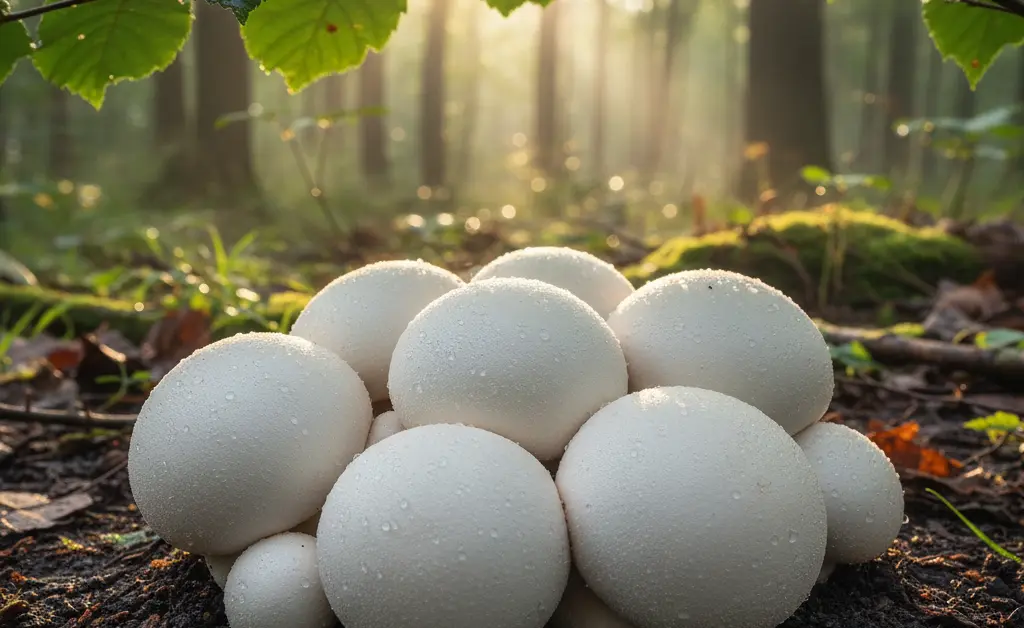
Imagine you’re foraging in your local woods or even just tending your garden, and you stumble upon a pristine, firm puffball mushroom. The thrill of discovery is immediate, and perhaps you envision it sliced and sautéed, adding a unique texture and flavor to your next meal. This experience often sparks a question: could I grow these myself? For enthusiasts and commercial growers alike, understanding the nuances of puffball mushroom cultivation offers a pathway to enjoying these distinctive fungi more consistently. While some varieties thrive in wild settings, others present unique challenges and rewards when brought into controlled environments, demanding specific knowledge and careful attention to replicate their ideal growing conditions.
Giant Puffball Mushroom Information and Cultivation
Giant puffball mushrooms (Calvatia gigantea) are among the most striking and sought-after fungi, known for their impressive size and culinary versatility. Successfully engaging in giant puffball mushroom cultivation requires a deep understanding of their unique biological needs, which differ significantly from many other cultivated mushroom species. These fungi are saprophytic, meaning they derive nutrients from decaying organic matter, and often form symbiotic relationships with the root systems of certain plants in their natural habitats. Their growth cycle is distinct, culminating in a large, spherical fruiting body that can reach substantial dimensions. To understand this better, you can learn about the puffball mushroom life cycle.
Giant Puffball Specifics
Giant puffball mushrooms are characterized by their typically white, smooth, and firm exterior when young and edible. Internally, they possess a dense, marshmallow-like flesh that is uniform in color, without any discernible gills or stems, which distinguishes them from many other fungi. As they mature, the interior transforms into a yellowish-green, powdery mass of spores, signaling that they are no longer suitable for consumption. These magnificent fungi usually appear in late summer and early autumn, often in grassy areas, meadows, or open woodlands, indicating a preference for disturbed soils rich in organic nutrients.
Why Giant Puffballs are Different
Unlike many gourmet mushrooms that can be grown indoors on prepared substrates, giant puffballs are largely considered challenging to cultivate in controlled, commercial settings. Their preference for larger volumes of substrate and specific environmental conditions, often associated with outdoor natural ecosystems, makes large-scale indoor operations less straightforward. Furthermore, their mycelial growth can be more extensive and slower to establish compared to species like oyster or shiitake mushrooms. This uniqueness contributes to their mystique and makes their successful cultivation a notable achievement. Understanding the general aspects of puffball mushroom cultivation is key to appreciating these differences.
Specific Cultivation Hurdles for Giant Puffballs
The primary hurdles in giant puffball mushroom cultivation revolve around replicating their natural habitat. They require significant space, appropriate soil composition, and a stable microclimate that balances moisture, temperature, and aeration. Mimicking the complex microbial interactions present in soil, which often contribute to their growth, can be difficult in artificial setups. Additionally, the time frame from inoculation to fruiting can be extended, demanding patience and persistent environmental management. Pests and diseases can also pose challenges, particularly in outdoor cultivation where control is less precise.
How to Grow Giant Puffball Mushrooms: A Beginner’s Guide
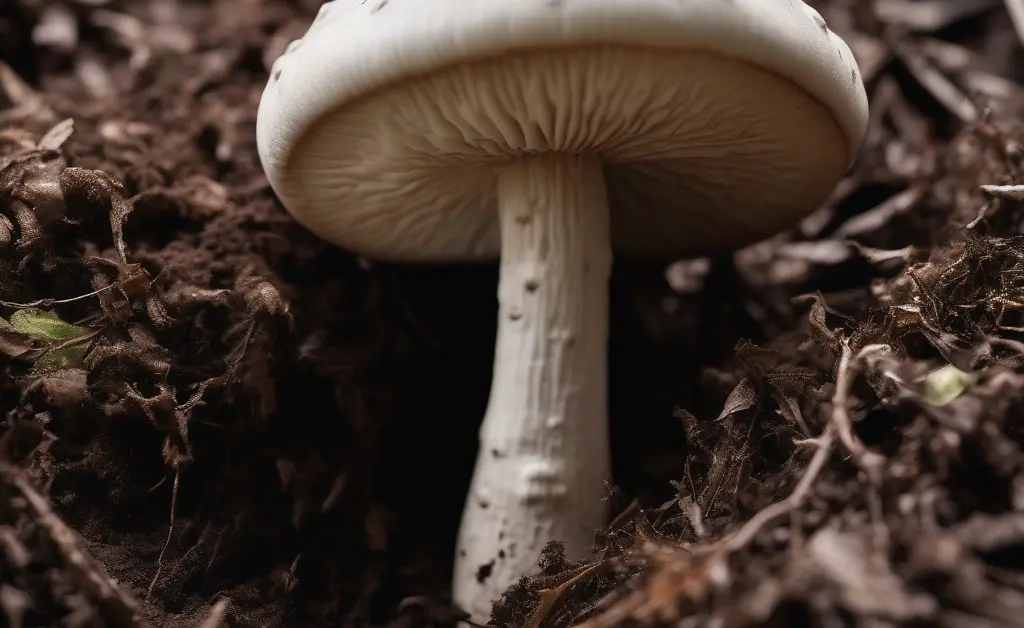
While challenging, successful giant puffball mushroom cultivation is achievable for dedicated hobbyists. This guide outlines the fundamental steps and considerations for those looking to embark on this unique mycological journey, focusing on both laboratory techniques and outdoor methods.
Mycelial Growth Requirements
The initial phase of any mushroom cultivation begins with healthy mycelial growth. For giant puffballs, mycelium thrives in nutrient-rich yet well-aerated environments. Ideal conditions often involve a sterile agar medium in a laboratory setting for initial isolation and expansion. Once established, the mycelium needs a substrate that provides a balanced diet of carbon, nitrogen, and other trace elements. Maintaining consistent, moderate temperatures and high humidity is crucial during this stage to encourage robust development without promoting contaminants.
Substrate Needs
Giant puffballs typically prefer a substrate rich in decaying wood, leaf litter, and grass. For controlled cultivation, mixtures that simulate these conditions are often prepared. This can include wood chips, sawdust, straw, and compost, potentially supplemented with gypsum or other minerals. The substrate must be properly pasteurized or sterilized to eliminate competing organisms before inoculation. Ensuring adequate moisture retention while preventing waterlogging is key to creating an hospitable environment for the mycelium to colonize.
Environmental Factors for Fruiting
Once the substrate is fully colonized, specific environmental triggers are necessary for giant puffball mushrooms to fruit. These often include a slight drop in temperature, increased fresh air exchange, and stable high humidity. Mimicking seasonal changes, such as cooler nights after warmer days, can help induce the formation of primordia, the tiny beginnings of the fruiting bodies. Consistent monitoring of these factors is vital, as fluctuations can inhibit growth or lead to malformed mushrooms. Understanding how long it takes for a puffball mushroom to grow is essential for this stage.
Mycelium Isolation and Culture
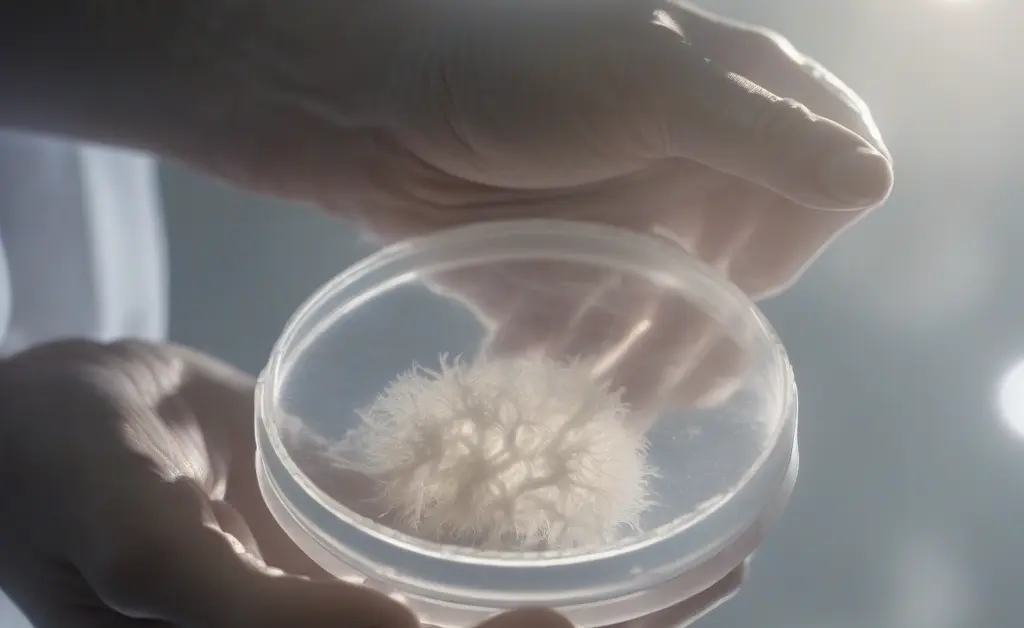
Starting with a tissue sample from a fresh, healthy giant puffball is a common method for obtaining mycelium. This sample is then aseptically transferred to a sterile agar plate. Over time, the mycelium will grow out from the tissue, forming a white, cottony mass. From this initial culture, clean mycelium can be transferred to new agar plates or liquid culture to expand the inoculum. Maintaining sterile techniques throughout this process is paramount to prevent contamination from bacteria or other fungi.
Inoculating Suitable Environments
With a healthy culture in hand, the next step in puffball mushroom cultivation is inoculation. This involves introducing the mycelium to a prepared growing environment. For outdoor cultivation, this might mean digging a trench, filling it with a prepared substrate mixture, and then burying pieces of colonized grain spawn or sawdust spawn within it. For more controlled outdoor setups, large containers or raised beds filled with appropriate substrate can be inoculated. The goal is to evenly distribute the mycelium throughout the substrate, allowing it to colonize effectively.
Encouraging Natural Growth
Beyond direct inoculation, it is also possible to encourage giant puffball mushrooms to grow naturally in suitable locations. This often involves improving soil conditions in areas where they have previously been observed or where conditions are similar to their natural habitat. Incorporating organic matter, maintaining appropriate moisture levels, and possibly introducing spores from mature puffballs can aid in establishing a natural colony. This method often requires more patience, as results are less predictable than controlled inoculation, but it can lead to sustained growth over several seasons.
Puffball Mushroom Cultivation in California
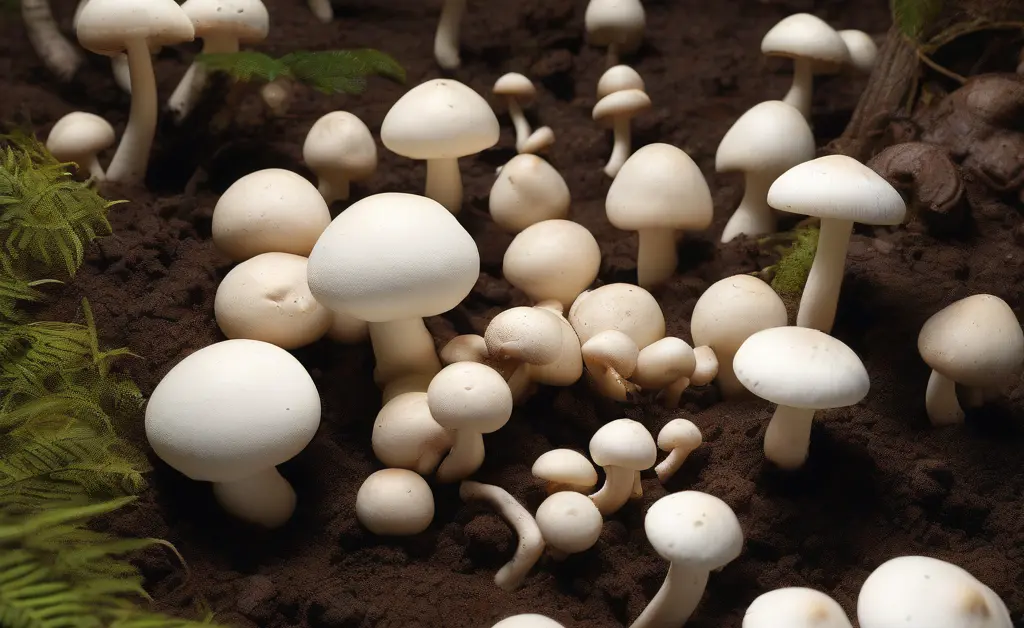
California’s diverse climate presents both opportunities and challenges for puffball mushroom cultivation. While some parts of the state offer temperate conditions similar to their native habitats, others are considerably drier or hotter. Cultivators in California may need to focus on specific strategies to ensure success. This includes selecting microclimates that provide consistent moisture and moderate temperatures, potentially utilizing shade structures or irrigation systems to replicate forest floor conditions. Research into local varieties and their specific environmental tolerances may also be beneficial. Adapting traditional cultivation techniques to suit regional weather patterns and soil types is a key consideration for those attempting puffball mushroom cultivation in the Golden State.
Future Developments in Puffball Cultivation
The field of puffball mushroom cultivation is continuously evolving, with ongoing research aiming to unlock more efficient and reliable growing methods. Scientific advancements in mycology are exploring techniques such as optimized substrate formulations, controlled environment agriculture, and genetic selection of strains that are more amenable to cultivation. Future developments may also focus on understanding the complex microbial ecosystems that support giant puffball growth in nature, aiming to replicate these interactions in cultivated settings. As interest in gourmet and wild edible fungi grows, the demand for sustainable and scalable methods for puffball mushroom cultivation is likely to drive further innovation, potentially leading to more widespread availability of these impressive fungi. For safety considerations regarding food, the efsa provides valuable information.
The journey of cultivating puffball mushrooms is one that rewards patience, careful observation, and a willingness to learn from nature. While challenges exist, the satisfaction of harvesting these unique fungi from your own efforts is immeasurable. Whether you aim for a few choice specimens for your table or aspire to contribute to broader mycological understanding, the path of puffball cultivation offers a rich and engaging experience.
The content presented here is not a substitute for professional medical guidance. It is intended for informational purposes only and should not be used to diagnose, treat, cure, or prevent any health condition. Always consult with a qualified healthcare professional before making any decisions about your health or treatment. Individual results and reactions to foods or fungi can vary.
FAQ
Can you grow giant puffball mushrooms?
Giant puffball mushrooms are known for their impressive size and unique appearance. While they can be cultivated, creating the specific environmental conditions required for them to thrive can be challenging. Their natural habitat and the soil composition they prefer are key factors to consider for successful growth.
How to cultivate puffball mushrooms at home?
Cultivating puffball mushrooms at home involves establishing a suitable substrate and maintaining a consistent, humid environment. This often means preparing a composted bed or a specific soil mix that mimics their natural growing conditions. Ensuring proper moisture levels and adequate airflow are crucial steps in the process.
What do puffball mushrooms need to grow?
Puffball mushrooms require nutrient-rich soil, consistent moisture, and a specific temperature range to initiate growth. They often thrive in well-drained, composted organic matter, which provides the necessary food source for their development. Protection from extreme weather conditions and pests also plays a significant role in their successful cultivation.
Is it difficult to grow puffballs?
Growing puffballs can present some difficulties due to their specific environmental requirements, which may not be easily replicated. Achieving the ideal balance of moisture, temperature, and substrate enrichment is essential for a successful harvest. While not impossible, patience and attention to detail are valuable when attempting puffball mushroom cultivation.
Continue reading
You May Also Like
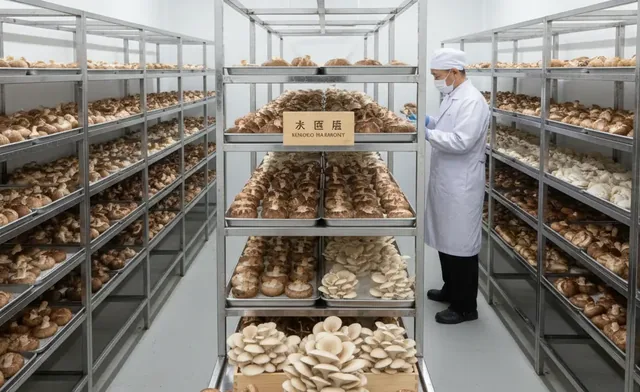
The Art and Science of Japanese Mushroom Cultivation
Review the business and techniques of mushroom cultivation in Japan, including leading varieties, modern innovations, and the industry's future.

Where to Buy Fresh and Dried Puffball Mushrooms?
Our guide to semaglutide for weight loss reviews its clinical efficacy, side effects, and cost to help you evaluate if it's the right choice.

How to Fry Puffball Mushrooms to Golden Perfection
This step-by-step guide provides a complete recipe for fried puffball mushroom, covering preparation, batter, and the best frying technique.