
Getting Started with Mushroom Cultivation Jars
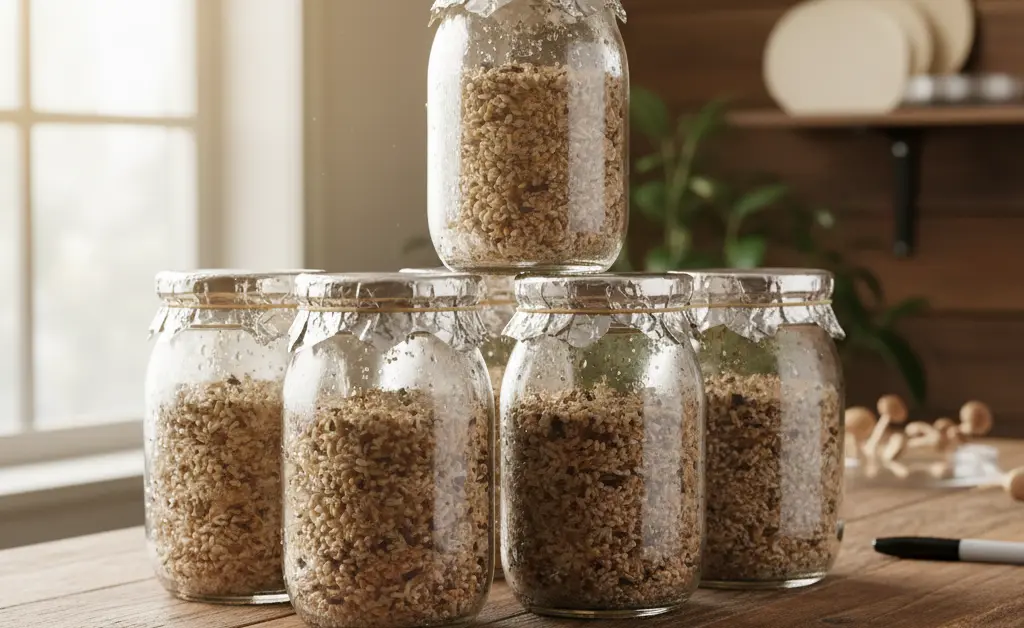
Many people are discovering the rewarding hobby of cultivating mushrooms at home. This growing interest often leads to exploring various methods and equipment to achieve successful yields. Central to many of these methods are specialized containers designed to provide an optimal environment for mycelial growth. Understanding the function and types of mushroom cultivation jars is crucial for both beginners and experienced growers looking to streamline their process and ensure healthy development. This guide will delve into what these jars are, their various types, how to choose the right ones, and their indispensable role in different stages of mushroom propagation, from grain spawn to liquid culture.
What are Mushroom Cultivation Jars?
Mushroom cultivation jars are specialized containers meticulously designed to facilitate the growth and propagation of mycelium, the vegetative part of a fungus. Their primary purpose is to provide a sterile, nutrient-rich environment that protects developing mushroom cultures from contamination while allowing for essential gas exchange. These jars are fundamental components in various stages of fungi cultivation, from preparing nutrient-rich substrates for grain spawn to housing liquid cultures.
The typical components of a cultivation jar include a durable container, often glass, a lid that can be modified, and usually a filter for air exchange. This setup allows growers to sterilize the substrate inside, inoculate it with mushroom spawn, and then incubate it, allowing the mycelium to colonize the substrate safely. The design of these jars is critical for maintaining an optimal environment, balancing the need for sterility with adequate airflow, which is vital for healthy mycelial development.
Types of Mushroom Cultivation Jars
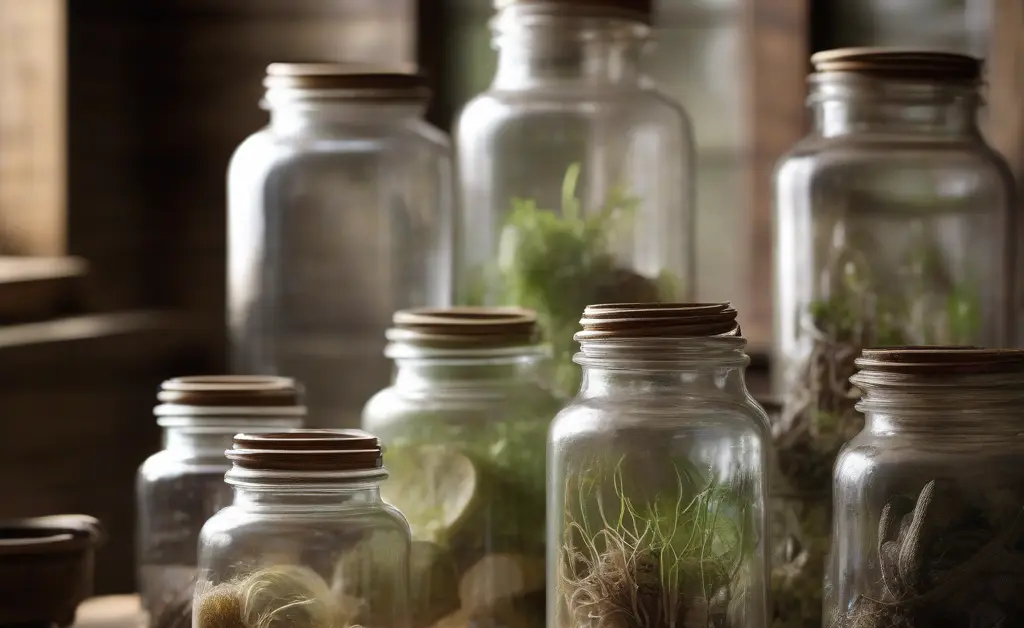
The world of mushroom growing offers several options when it comes to cultivation jars, each with its own advantages and suitable applications. Explore various mushroom cultivation equipment to find what suits your needs.
Mason Jars for Mushroom Cultivation
Standard glass canning jars, commonly known as Mason jars, are a popular and accessible choice for many home mushroom growers. Their widespread availability, low cost, and durability make them an attractive starting point. Mason jars are excellent for containing various substrates and can withstand the high temperatures required for sterilization processes, such as pressure cooking. However, for specialized mushroom cultivation, these jars typically require modification. This often involves drilling holes in the lids to accommodate filters for air exchange and self-healing injection ports for inoculation, transforming them into functional tools for fungi cultivation.
Specialty Mushroom Jars (e.g., with filters)
Beyond modified Mason jars, there are purpose-built or specialty mushroom jars available that come pre-equipped with features designed specifically for mycology. These often include integrated synthetic filters or filter patches for optimized air exchange, and robust self-healing injection ports. Such features streamline the cultivation process by reducing the need for DIY modifications and enhancing sterility protocols. These specialty jars are engineered to provide a superior, contamination-resistant environment, which can be particularly beneficial for more delicate mushroom species or larger-scale home operations.
Choosing the Right Mushroom Cultivation Jars
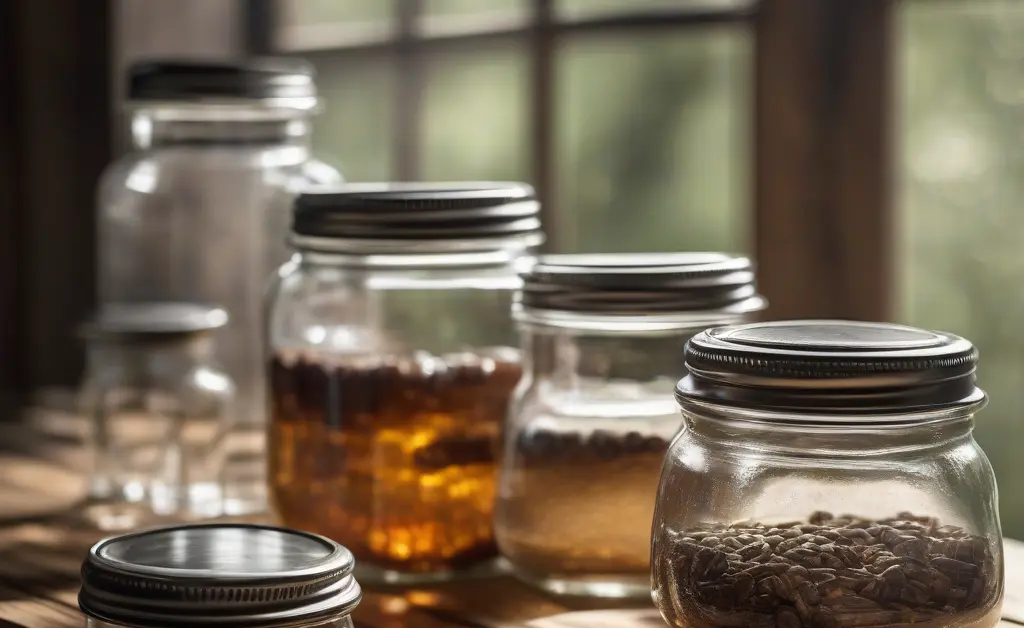
Selecting the appropriate mushroom cultivation jars is a crucial step that can significantly influence the success of your mushroom growing endeavors. Several factors should be considered to ensure they meet your specific needs.
The material of the jar is a primary consideration. Glass jars are preferred for their heat resistance, allowing them to withstand repeated sterilization cycles in a pressure cooker. They are also transparent, enabling easy observation of mycelial colonization. While plastic jars exist, they typically have lower heat tolerances and may degrade over time, making them less ideal for rigorous sterilization methods. Size considerations are also important; smaller jars are excellent for beginners or for creating numerous smaller batches, which can help mitigate losses from contamination. Larger jars offer scalability for more experienced growers or those producing grain spawn for larger projects. Finally, brand and quality factors play a role in durability and reliability, particularly for features like lid modifications and filters. Investing in well-made mushroom cultivation jars can prevent issues and support consistent results.
Lid Types and Filter Options
The lid and filter system are critical components of any mushroom cultivation jar, as they govern gas exchange and contamination control. Modified lids are essential for creating an optimal environment. These typically feature a filtered vent hole, which allows the mycelium to breathe while preventing airborne contaminants from entering. Filter options range from simple polyfill stuffing, which acts as a physical barrier, to more advanced synthetic filter patches designed for specific micron filtration. Many lids also incorporate a self-healing injection port, a silicone-based plug that allows for sterile inoculation with a syringe without compromising the jar’s sterile interior. The correct lid and filter combination ensures adequate air exchange, which is vital for healthy mycelial growth, while maintaining the necessary sterility for successful mushroom growing.
Growing Mushrooms in Jars: A Step-by-Step Guide
Utilizing mushroom cultivation jars involves a methodical process to ensure a sterile and optimal environment for growth. The journey begins with properly preparing grain jars for mushroom growing. This involves selecting a suitable substrate, such as rye grain or millet, hydrating it appropriately, and then loading it into the jars. The next critical step is the sterilization process, typically performed using a pressure cooker. This eliminates any competing microorganisms within the substrate, creating a clean slate for the mushroom spawn.
Once sterilized and cooled, the jars are ready for inoculation. This is a delicate process where mushroom culture (spores or liquid culture) is introduced into the sterile grain. It is crucial to perform inoculation in a clean, contamination-controlled environment. Following inoculation, the jars enter the incubation and colonization phase. During this period, the mycelium will spread throughout the grain, consuming nutrients and forming a dense network. Maintaining stable temperatures and observing the jars for signs of contamination are key during this stage. For some mushroom species, fruiting from jars is possible, where the colonized substrate is exposed to conditions that trigger mushroom formation directly within the jar. Throughout this entire process, effective controlling contamination and optimizing growth conditions are paramount for success, making mushroom cultivation jars indispensable tools.
Benefits of Using Mushroom Cultivation Jars
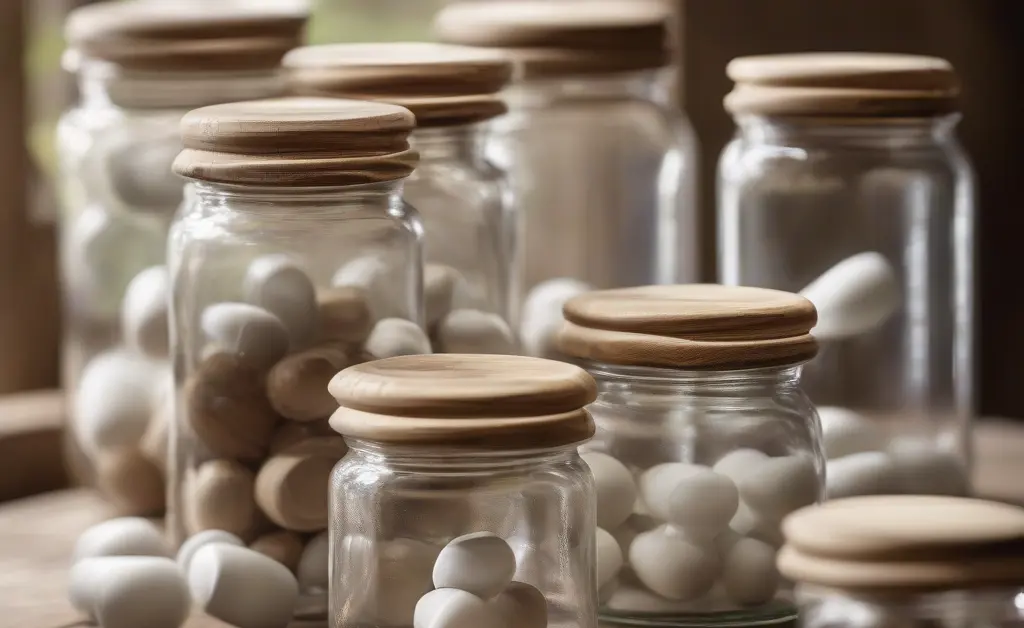
Mushroom cultivation jars offer a range of significant benefits that make them a popular choice for both novice and experienced growers of various mushroom species.
One of the primary advantages is the ease of use for beginners. Jars provide a contained and manageable environment, simplifying the process of sterilization, inoculation, and observation. Their transparent nature allows for easy monitoring of mycelial colonization and early detection of contamination, which is crucial for learning and troubleshooting. Furthermore, mushroom cultivation jars offer excellent scalability for home growers. Whether you want to start with a small batch to learn the ropes or expand to produce a larger quantity of grain spawn or mushrooms, jars can be easily scaled up or down. They are also highly effective in preventing contamination, as their sealed design, combined with appropriate filters and self-healing injection ports, creates a sterile barrier against airborne spores and bacteria. This containment also helps in isolating any contaminated jars, preventing the spread to other cultures. The ability to reuse jars after proper cleaning and sterilization also makes them an environmentally friendly and cost-effective option over time, contributing to sustainable mushroom growing practices.
Grain Spawn Jars for Mushroom Cultivation
Grain spawn jars are foundational to many mushroom cultivation projects, serving as the initial phase where mycelium colonizes a nutrient-rich grain substrate. These specialized mushroom cultivation jars are filled with grains such as rye, millet, or wheat, which provide a balanced nutritional base for robust mycelial growth. The purpose of grain spawn is to create a large volume of viable mycelium that can then be used to inoculate larger, bulk substrates for fruiting. Preparing a grain spawn master jar for mushroom cultivation involves careful hydration, sterilization, and inoculation processes to ensure a strong, contamination-free culture.
These jars are designed to endure the high temperatures of pressure sterilization and feature modified lids with filters to allow for proper gas exchange during colonization. The integrity of the grain spawn directly impacts the success of subsequent cultivation steps, making the quality and sterility of the grain spawn jars paramount. They are typically incubated in a dark, warm environment, allowing the mycelium to spread completely throughout the grain, creating a dense, white mass ready for transfer. Many growers also utilize mushroom cultivation bags for certain stages of their projects.
Mushroom Grain Spawn Jars | 5-Grain & Rye
When preparing mushroom grain spawn jars, the choice of grain significantly impacts mycelial growth and subsequent mushroom yields. Popular options include a blend of five grains or pure rye grain, each offering distinct advantages. A 5-grain blend often consists of a mix like rye, wheat, millet, oats, and sorghum, aiming to provide a broad spectrum of nutrients and different particle sizes that can promote vigorous mycelial colonization. Rye grain, on the other hand, is a traditional and highly favored choice due to its excellent nutritional profile, robust structure, and ability to hold moisture effectively. Both types of grains are meticulously hydrated and sterilized within the jars before being inoculated with mushroom culture. The goal is to create a healthy, fully colonized grain spawn that serves as the strong foundation for transferring mycelium to bulk substrates or initiating further cultivation stages.
Liquid Culture Jar Supplies for Mushrooms
Liquid culture jars are specialized mushroom cultivation jars designed to propagate mycelium in a nutrient-rich liquid medium. Unlike grain spawn, which is a solid substrate, liquid culture involves growing mycelium suspended in a sterile solution, typically consisting of water and a sugar source. This method allows for rapid expansion of mycelial cultures and provides a highly efficient way to inoculate multiple grain jars or bulk substrates with minimal risk of contamination when performed correctly. The question “What is a mushroom culture jar?” often refers to these specific containers used for maintaining and expanding mycelial cultures in liquid form. Ensure you have all the necessary mushroom cultivation supplies.
Essential supplies for liquid culture jars include the jars themselves, which are usually glass and can withstand sterilization, modified lids with self-healing injection ports and air filters, and the liquid nutrient solution. The self-healing ports are crucial for injecting the initial culture and later drawing out colonized liquid without introducing contaminants. The air filters allow for gas exchange, which is necessary for mycelial respiration within the liquid medium. After sterilization and inoculation, these jars are often gently agitated to distribute the mycelium and promote even growth, resulting in a cloudy liquid filled with active mycelial strands, ready for use in other cultivation stages. Proper storage is also key, and some growers utilize specialized mushroom cultivation racks for organization.
Mushroom cultivation jars are truly the cornerstone of successful home mushroom growing. From basic Mason jars to advanced specialty designs, they provide the controlled environment essential for mycelial development. Understanding their types, how to choose them, and their pivotal role in processes like grain spawn and liquid culture preparation empowers growers to achieve healthy yields and explore the rewarding world of fungi. Whether you’re a beginner or an experienced cultivator, mastering the use of these jars is a fundamental step toward consistent and fruitful harvests.
It is important to note that this content is not intended as medical advice. The information provided is for general knowledge and informational purposes only, and does not constitute a recommendation for any specific health condition or treatment. Always consult with a qualified healthcare professional before making any decisions about your health or any medical condition. This article does not endorse the use of any substance for medicinal purposes. For information on health and research, consider consulting resources like the National Institutes of Health.
FAQ
What is the best jar for mushroom cultivation?
The best jars for mushroom cultivation are typically wide-mouth canning jars, often made of borosilicate glass, which can withstand high temperatures for sterilization. Their design allows for easy access when filling with substrate and for mycelium to colonize effectively. These specific mushroom cultivation jars are preferred because they are durable, reusable, and can be easily fitted with filter lids for gas exchange while maintaining sterility. This combination of features is essential for successful growth.
Can you grow mushrooms in regular jars?
While technically possible to attempt growing mushrooms in various types of jars, regular jars often present significant challenges compared to those designed for cultivation. The main hurdles include ensuring proper sterilization without cracking the glass, achieving adequate gas exchange for mycelial respiration, and facilitating easy substrate inoculation and colonization. Without these crucial environmental controls, contamination risks increase substantially, making consistent success more difficult. Therefore, while feasible, it’s generally less reliable and more prone to issues.