
Australian Puffball Mushrooms: Identification and Safety
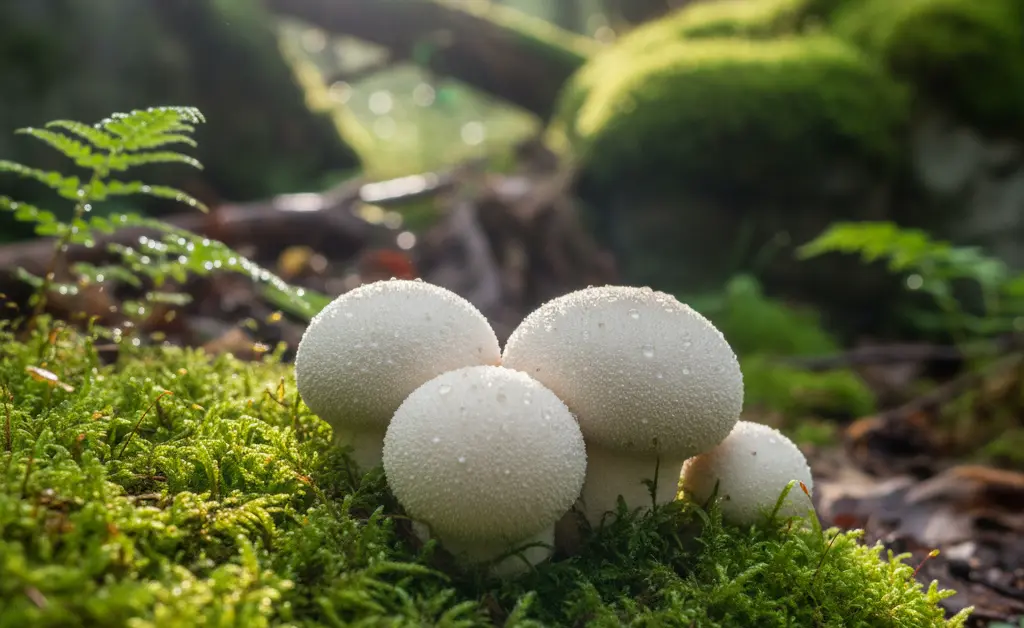
Foraging for unique ingredients has become a popular hobby for many Australians seeking to connect with nature and elevate their home cooking. Among the fascinating fungi found across the continent, the puffball mushroom in Australia stands out for its distinctive appearance and culinary potential. These spherical fungi, which release a cloud of spores when mature, offer a delightful texture and mild flavor when harvested young and fresh. Whether you’re an avid forager looking to expand your edible repertoire or simply curious about the natural world around you, understanding these intriguing organisms is key. This guide explores their identification, common species, and important safety considerations, ensuring an informed and safe experience for anyone interested in these unique fungi.
Identifying Puffball Mushrooms in Australia
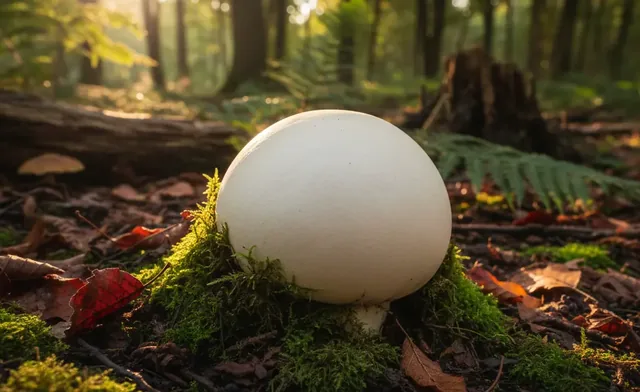
Puffball mushrooms are distinctive fungi, easily recognizable by their typically spherical or pear-shaped fruiting bodies. Key characteristics of puffballs include a lack of gills, a single opening at the top when mature for spore dispersal, and a solid, uniform white interior when young and fresh. Distinguishing puffballs from other fungi is crucial for safe foraging. Unlike many other mushrooms, true puffballs do not have a defined cap and stem structure, nor do they possess gills beneath a cap. Instead, their spores are produced internally. It is vital to cut any potential puffball in half to inspect its internal structure; it should be entirely white, homogenous, and fleshy. Any discoloration, presence of gills, or a developing mushroom shape within indicates it is not a true puffball and should not be consumed. When considering any puffball mushroom in Australia, careful identification is paramount to avoid potential look-alikes that could be harmful. You can find more information on puffball mushrooms at puffball mushroom.
Geographical Distribution
Puffball mushrooms exhibit a wide geographical distribution across Australia, thriving in various environments. They can be found in a range of habitats, from open grasslands and meadows to forests and even suburban lawns. Their presence is often linked to the availability of organic matter, as they are saprophytic fungi, meaning they obtain nutrients from decaying organic material. This adaptability allows different species to flourish in diverse Australian landscapes, from temperate regions to more subtropical zones, depending on specific moisture and temperature requirements.
Common Puffball Mushroom Species in Australia
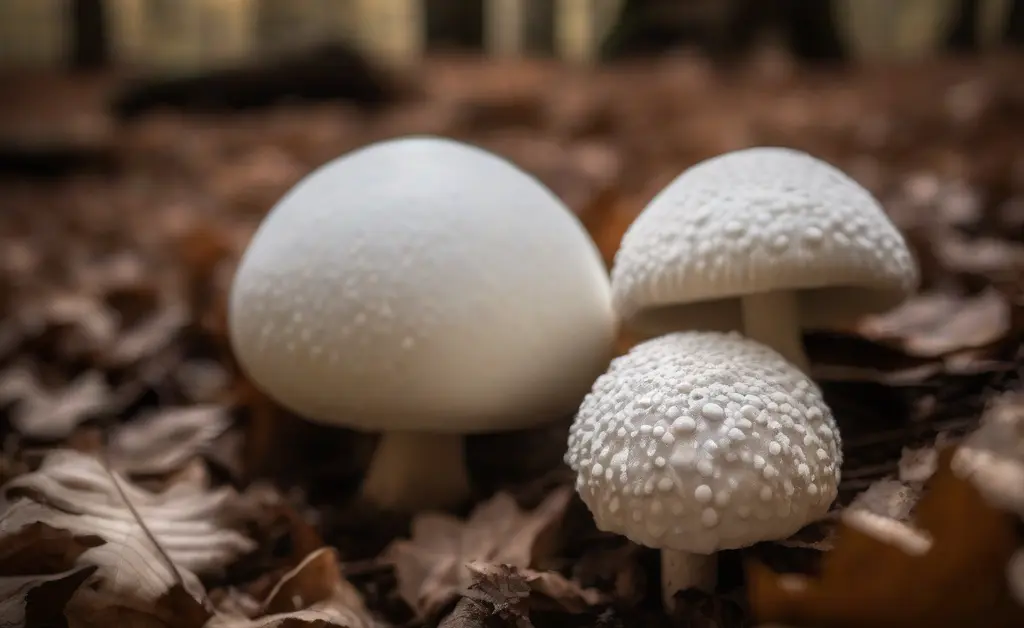
Australia is home to several species of puffball mushrooms, with some being more commonly encountered than others. Among the notable types are species belonging to the genus Calvatia, often referred to as giant puffballs. These can grow to impressive sizes, sometimes resembling a football or even larger. Other notable puffballs include species from genera like Lycoperdon (common puffballs) and Scleroderma (earthballs). While true puffballs like those in Calvatia and Lycoperdon are generally considered edible when young, it’s essential to differentiate them from other spherical fungi. For instance, earthballs (Scleroderma species) are a common look-alike for the puffball mushroom in Australia, but they are generally considered inedible or mildly toxic. These usually have a tough, darker outer skin and a dark, purplish-black, firm interior even when young, distinguishing them from the edible varieties with their pristine white flesh.
Puffball Mushroom Australia Edible and Poisonous
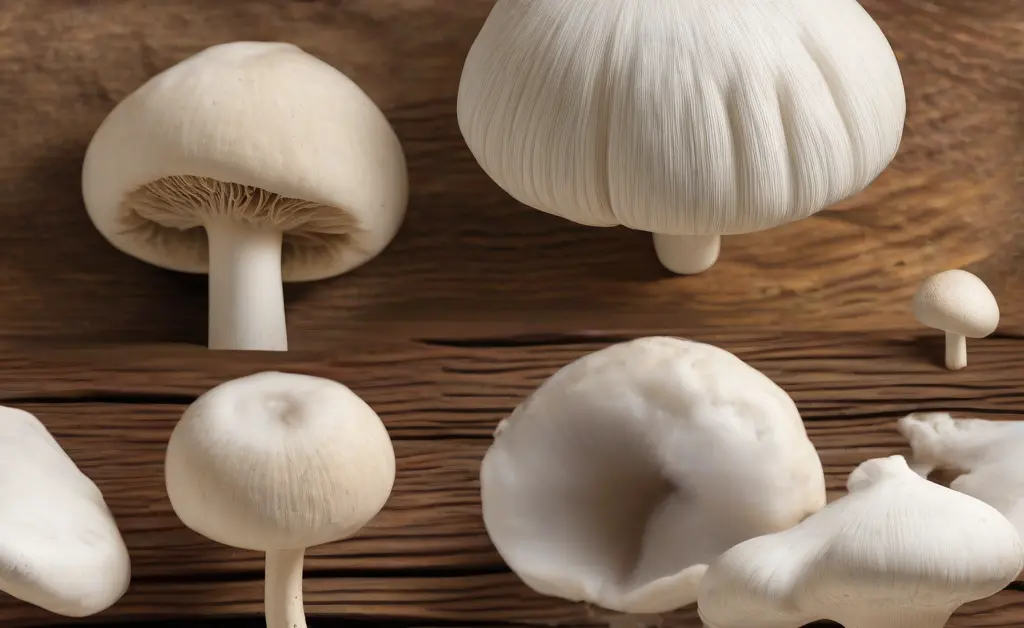
Understanding the edibility and potential dangers associated with puffball mushrooms is critical for anyone considering foraging. While many species of puffball mushroom in Australia are edible when young and correctly identified, there are also poisonous look-alikes that can cause severe gastrointestinal distress. Safe consumption guidelines emphasize careful identification and preparation. It is crucial to be aware of what makes a puffball poisonous or inedible and to distinguish it from safe varieties. Are there any poisonous puffball mushroom look alikes? Yes, several, most notably young death caps or other toxic amanitas, which can resemble puffballs at their button stage before their cap and stem develop. This underscores the absolute necessity of cutting open any suspected puffball to confirm its solid, white interior, free from any developing gills or mushroom shape.
Edibility of Australian Puffball Mushrooms
Generally, true puffball mushrooms are considered edible when they are young, firm, and have a uniformly white interior. The texture is often described as marshmallow-like or tofu-like. As they mature, the interior begins to yellow, then turn greenish-brown, and eventually powdery with spores. At this stage, they are typically considered past their prime for eating and may cause digestive upset. It is imperative that foragers only consume puffballs that are completely white inside, free of any discoloration or insect damage. Any specimen showing signs of developing gills or a stem within should be immediately discarded as it may be a young, poisonous mushroom that could be mistaken for a puffball.
Puffball Mushroom Australia Recipe
Puffball mushrooms, when properly identified and prepared, offer a mild, earthy flavor and a unique, somewhat spongy texture that lends itself well to various culinary applications. What do puffballs taste like? They are often described as having a delicate, slightly savory taste, making them versatile. They can readily absorb flavors from other ingredients they are cooked with. Commonly, they are sliced and sautéed in butter or oil with garlic and herbs, added to stir-fries, or breaded and fried like cutlets. Their substantial size, particularly for giant puffballs, allows for thick slices that can serve as a substitute for meat in some dishes. Always ensure the mushroom is thoroughly cooked before consumption.
When Do Puffball Mushrooms Grow in Australia?
The growth cycle of puffball mushrooms in Australia is largely dependent on seasonal availability and favorable weather conditions. While some species may appear at different times, many puffballs tend to fruit during periods of consistent moisture and moderate temperatures. This often translates to late summer and autumn in many parts of Australia, following significant rainfall. However, specific timings can vary significantly based on the local climate and species. Abundant rainfall after a dry spell, followed by mild temperatures, often creates ideal conditions for their emergence. Monitoring local weather patterns can be a helpful indicator for those seeking to find these fungi.
Where to Find and Buy Puffball Mushrooms in Australia

Finding puffball mushrooms in Australia often involves knowing their preferred habitat and growing conditions. They commonly thrive in grassy areas, open woodlands, meadows, and sometimes even in gardens or alongside roads. Look for them on the ground, often in association with decaying wood or organic matter. While foraging offers the thrill of discovery, it is crucial to always practice responsible foraging techniques and never consume any wild mushroom unless you are 100% certain of its identification. For those who prefer to purchase, fresh wild-foraged puffballs are not commonly found in mainstream supermarkets due to their unpredictable availability and short shelf life. However, specialty grocers, farmers’ markets, or gourmet food suppliers may occasionally offer them, particularly if they work with local foragers. Cultivated varieties are rare, making wild harvesting the primary source for fresh puffball mushroom in Australia. Regulatory bodies provide guidance on food safety and consumption, such as the European Food Safety Authority.
The world of Australian puffball mushrooms offers both culinary delight and a fascinating lesson in fungal identification. Their unique appearance and mild flavor make them an intriguing addition to the kitchen for those who appreciate wild edibles. However, the importance of accurate identification cannot be overstated, as distinguishing edible puffballs from their potentially harmful look-alikes is critical for safety. By understanding their characteristics, habitats, and seasonality, enthusiasts can safely appreciate these distinctive fungi and the natural bounty Australia has to offer, always prioritizing caution and informed foraging practices.
This article is written for general understanding and not for medical decision-making. Information about fungi identification and edibility is complex and can vary significantly. Consuming wild mushrooms without expert verification can be dangerous, and this article should not be used as a substitute for professional mycological advice or medical guidance. Always consult with a qualified expert before consuming any foraged wild fungi.
FAQ
Are puffball mushrooms found in Australia?
Yes, a variety of puffball mushrooms are found growing in Australia. These unique fungi are a common sight in various Australian habitats, from forests to grasslands.
What kind of puffball mushrooms grow in Australia?
Australia is home to several species of puffball mushrooms, including those in the *Lycoperdon* and *Calvatia* genera. The specific types can vary depending on the region and environmental conditions.
Can you eat puffball mushrooms in Australia?
Some puffball mushrooms are edible when young and entirely white inside. However, it is crucial to correctly identify the species, as other fungi can be mistaken for puffballs and some may be toxic.
When do puffball mushrooms appear in Australia?
Puffball mushrooms in Australia typically emerge after periods of rain, usually during the warmer months of spring and autumn. Their appearance is closely tied to moisture availability in the soil.
Does puffball mushroom edible?
Edibility of puffball mushrooms is determined by their maturity and precise identification. Only young puffball mushrooms that are firm and uniformly white throughout are considered safe for consumption.
Continue reading
You May Also Like
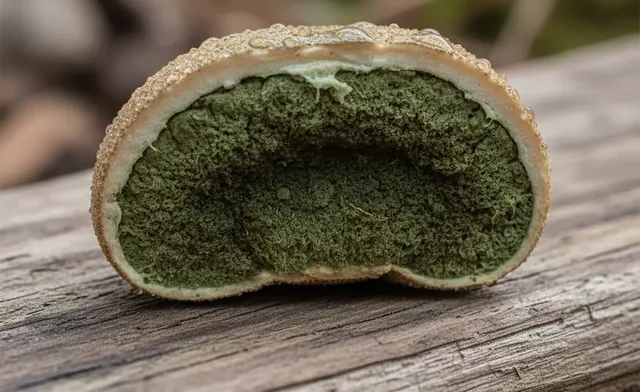
A Puffball's Green Core: Spore Maturity and Safety
If you find a puffball mushroom green inside, it means the fungus has matured to produce its spores and is no longer considered safe to eat.
Puffball Mushroom Michigan: A Guide to Identification and Foraging
Correctly identify the prized puffball mushroom Michigan foragers seek by learning key features, prime hunting spots, and the best seasons.

Where to Buy Fresh and Dried Puffball Mushrooms?
Our guide to semaglutide for weight loss reviews its clinical efficacy, side effects, and cost to help you evaluate if it's the right choice.