
Puffball Mushroom Michigan: A Guide to Identification and Foraging
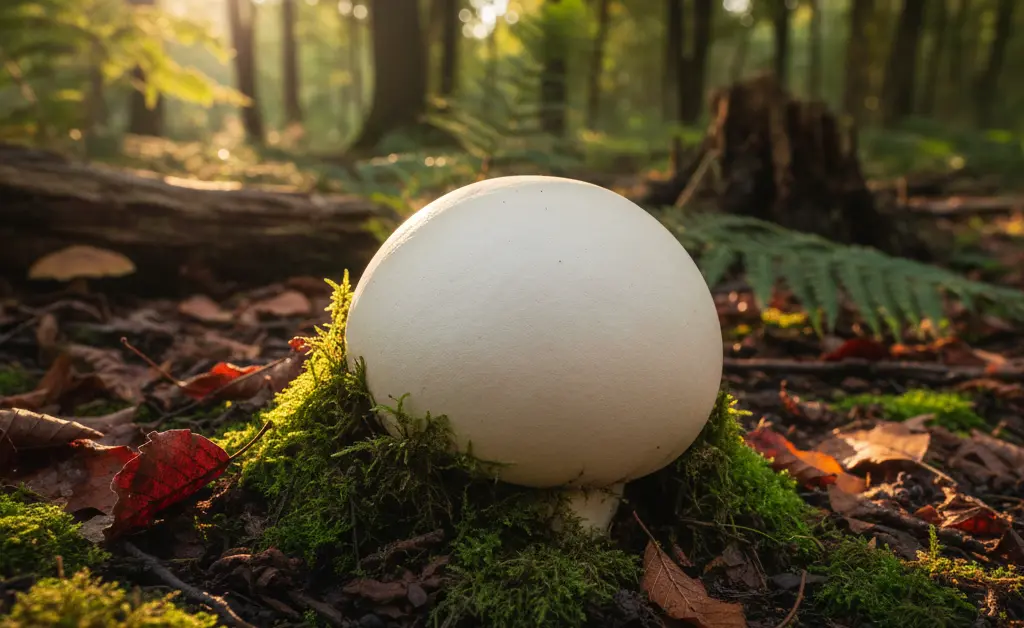
Finding a mysterious, round, white growth during a walk through Michigan’s diverse landscapes or even in your own backyard can spark both curiosity and caution. For many foragers, the initial excitement quickly turns to a practical challenge: how can you confidently distinguish between an edible culinary delight and a potentially harmful lookalike? This common dilemma is particularly pertinent when encountering the various species of puffball mushrooms. This guide aims to equip you with the essential knowledge needed to navigate the world of puffball mushroom Michigan, offering clear identification tips, insights into their preferred habitats and seasons, and crucial safety advice. Prepare to confidently identify, locate, and safely enjoy these fascinating fungi.
Puffball Mushroom Michigan Identification
Successfully identifying puffball mushrooms in Michigan requires attention to several key characteristics. These fungi are distinctive for their often round or pear-shaped appearance, lacking a traditional cap and stem structure. Their exterior can vary from smooth to somewhat textured, often white or off-white when young and fresh. The most critical identification factor, however, lies within the mushroom itself. Foragers interested in the puffball mushroom Michigan offers must prioritize internal examination.
How to Safely Identify Edible Puffballs (Solid Interior)
The golden rule for identifying edible puffballs is to always cut the mushroom in half lengthwise and inspect the interior. A true edible puffball will have a uniformly solid, pure white interior that resembles the texture of a marshmallow or soft cheese. There should be no gills, no evidence of a developing cap or stem, and no discoloration. If the interior shows any yellowing, browning, or purplish tints, or if there is any indication of internal structures like gills, it should be discarded. This solid white interior is crucial for distinguishing edible puffballs from their potentially dangerous lookalikes, particularly the “egg stage” of some poisonous Amanita species. These Amanita “eggs” would reveal a clear outline of a cap and gills when sliced open, even at a very young stage.
Common Michigan Puffball Species (e.g., Giant Puffball, Pear-shaped Puffball)
Michigan is home to several species of puffballs, each with its own characteristics. The Giant Puffball (Calvatia gigantea) is perhaps the most sought-after, known for its impressive size, often reaching diameters of 10 to 20 inches, though some have been found much larger. Its exterior is typically smooth and white. When cut open, it should reveal the characteristic solid white flesh. Another common species is the Pear-shaped Puffball (Apioperdon pyriforme), which tends to grow in clusters on decaying wood. These are generally smaller, often pear-shaped, and may have a slightly darker, yellowish-brown exterior when mature. While edible when young and firm with a pure white interior, they are less meaty than the Giant Puffball. Always ensure any puffball found is firm to the touch and has no signs of insect damage or spoilage before considering it for consumption.
Where and When to Find Puffball Mushrooms in Michigan
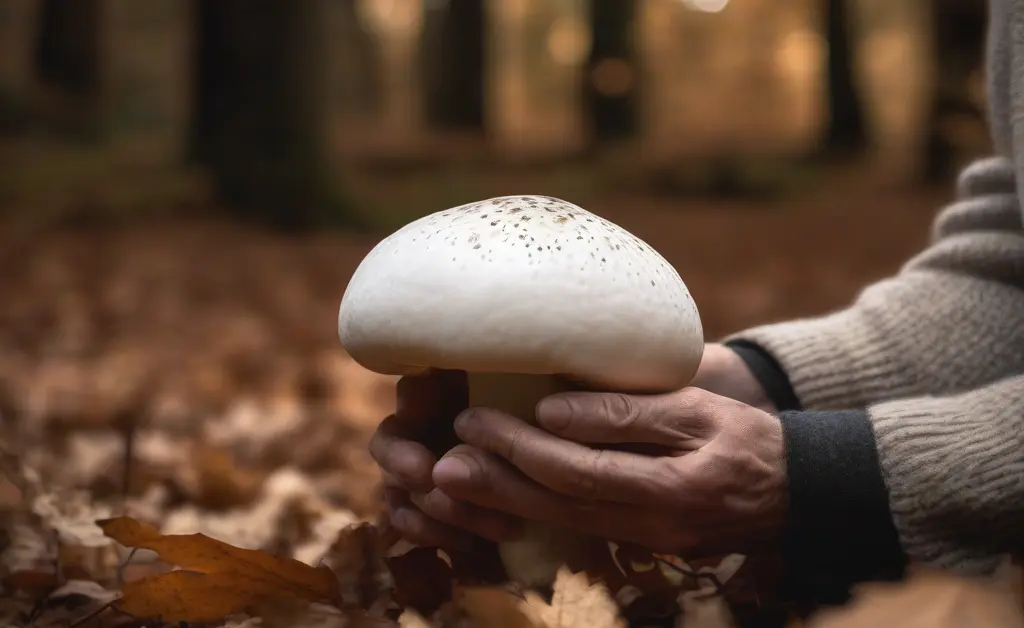
Knowing where and when to look significantly increases your chances of finding the prized puffball mushroom Michigan has to offer. While they can appear somewhat unpredictably, certain environmental conditions and locations are more conducive to their growth. Understanding these patterns helps foragers narrow down their search and enjoy a successful outing.
Preferred Habitats (forests, fields, lawns)
Puffball mushrooms exhibit a versatile range of habitats. Giant Puffballs (Calvatia gigantea) are often found in open grassy areas, such as pastures, meadows, golf courses, and even suburban lawns, particularly where the soil is rich. They can also appear at the edges of woodlands or in disturbed areas. Pear-shaped Puffballs (Apioperdon pyriforme), on the other hand, have a strong preference for decaying wood and are commonly seen growing in dense clusters on stumps, logs, and wood debris in forests. Other smaller puffball species might be found on the forest floor, amongst leaf litter, or moss. Observing the specific habitat can sometimes provide an initial clue as to which species you might be encountering.
Seasonal Growth Patterns Across Michigan Regions
The primary season for puffball mushrooms in Michigan generally spans from late summer through early autumn, typically from August to October. This period coincides with sufficient moisture and moderate temperatures, which are ideal for fungal growth. However, the exact timing can vary depending on local weather conditions and the specific region within Michigan. In the southern parts of the state, they might appear slightly earlier, while in the cooler Upper Peninsula, their season might peak a bit later. Regular rainfall followed by warm, humid days often triggers a flush of puffball growth. It is always beneficial to monitor local weather patterns and consider previous successful foraging locations as reliable indicators for future harvests.
Giant Puffball Mushroom Michigan
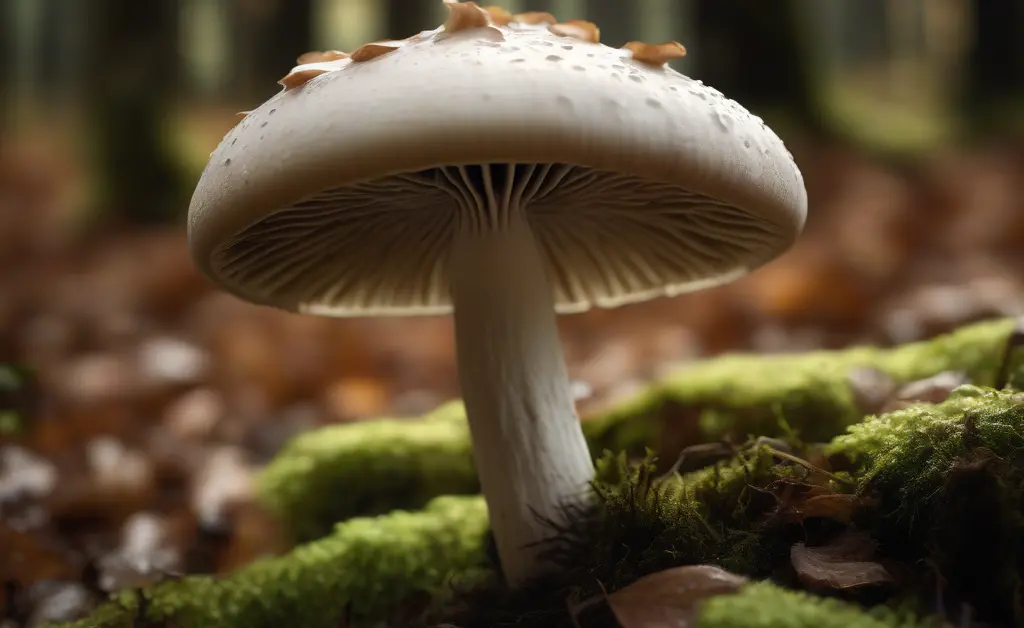
The Giant Puffball is arguably the most celebrated of the puffball mushroom Michigan species, revered for its substantial size and culinary versatility. Identifying a true Giant Puffball correctly is essential for safe foraging. These mushrooms are unique in their ability to grow to immense proportions, making them a significant find for any enthusiast. Their taste is often described as mild and earthy, making them a delightful addition to various dishes. When foraging for wild foods, it’s always wise to be aware of any potential hazards, and the FDA provides important information on food safety.
Common Michigan Puffball Species (e.g., Giant Puffball, Pear-shaped Puffball)
While discussing the Giant Puffball specifically, it’s helpful to differentiate it from other common Michigan species. The Giant Puffball stands out due to its sheer scale, typically appearing as a large, spherical, or somewhat flattened white mass directly on the ground. Its exterior is usually smooth, though it may develop slight cracks as it ages. The Pear-shaped Puffball, by contrast, is much smaller, generally growing in dense clusters on wood, and as its name suggests, often has a distinctly pear-like shape. While both are considered edible when young and firm with a pure white interior, their habitats and growth forms are key distinguishing features. The sheer size and terrestrial growth of the Giant Puffball mushroom Michigan foragers seek often make it unmistakable once properly identified.
Puffball mushrooms offer an exciting opportunity for foragers in Michigan to discover a unique and delicious wild edible. By carefully observing their appearance, preferred habitats, and especially by verifying the solid, pure white interior, you can safely enjoy the culinary delights these fungi provide. Always forage responsibly, prioritizing safety through accurate identification, and respecting natural environments.
It is important to note that this content is not intended as medical advice. This information is for educational and general informational purposes only, and does not substitute for professional consultation or guidance. Individuals should consult with qualified professionals for specific advice related to their personal circumstances. Always exercise caution and consult experts before consuming foraged items, as misidentification can lead to adverse effects.
FAQ
Are puffball mushrooms in Michigan edible?
Many puffball mushrooms found in Michigan are edible when they are young and pure white inside. As they mature, they develop spores, which can cause digestive upset and change the texture and flavor. It is crucial to correctly identify any mushroom before consumption, as some poisonous look-alikes exist.
What do puffball mushrooms look like in Michigan?
Puffball mushrooms in Michigan typically present as round or pear-shaped fungi. Their exterior can range in color from white to tan or brown, and they lack the distinct gills or cap found on many other mushroom types. When cut open, a young, edible puffball will be uniformly white and firm, resembling a marshmallow.
Where do puffball mushrooms grow in Michigan?
These fungi commonly grow in grassy areas such as lawns, fields, and meadows across Michigan. They can also be found in open woodlands and along trails. The puffball mushroom michigan is often encountered in well-maintained or disturbed soils.
When do puffball mushrooms grow in Michigan?
Puffballs generally emerge during the warmer months in Michigan, typically from late spring through fall. Their appearance is often most prolific following periods of consistent rainfall. Specific fruiting times can vary slightly depending on the particular species and local weather conditions.
Continue reading
You May Also Like
Australian Puffball Mushrooms: Identification and Safety
Identifying a true puffball mushroom australia is simple once you know the key features that separate the edible types from toxic look-alikes.
A Guide to Foraging Puffball Mushrooms in Georgia
Safely identify the puffball mushroom Georgia with our guide covering key visual traits, common habitats, and how to avoid toxic look-alikes.
Foraging Puffball Mushrooms in New Mexico
Find delicious, edible puffball mushroom new mexico with our complete guide on where to look, how to safely identify them, and what to cook.