
A Guide to Foraging Puffball Mushrooms in Georgia
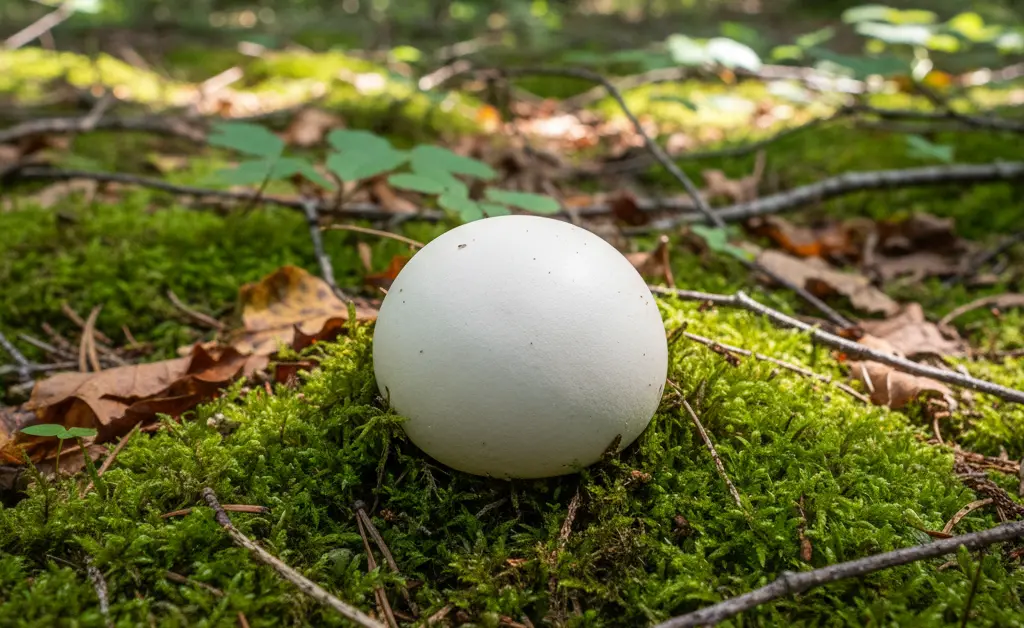
Just as a diverse array of wildflowers paints the landscape, Georgia’s natural environments host a fascinating range of fungi, among them the distinctive puffball mushrooms. Unlike the more commonly recognized cap-and-stem mushrooms, puffballs often appear as spherical or pear-shaped growths on the forest floor or in open fields, sometimes resembling fallen golf balls or smooth stones. Foraging for these edible delights can be a rewarding experience for enthusiasts and culinary adventurers alike. This guide aims to demystify the process, offering insights into identifying, locating, and safely preparing these unique fungi. Understanding their habitats and distinguishing features is crucial for successful foraging, especially when seeking a delicious puffball mushroom georgia has to offer, while also ensuring safety from toxic look-alikes.
Identifying Puffball Mushrooms in Georgia
Identifying puffball mushrooms accurately is paramount for safe foraging. True puffballs are characterized by their enclosed, spore-producing fruiting body, which means they do not have visible gills or a stem like most other mushrooms. When cut open, a true puffball will have solid, white, uniform flesh. Any discoloration, presence of gills, or a developing cap-and-stem structure inside should immediately raise a red flag, indicating it is likely not a true puffball or is past its edible stage. Several types of puffball mushroom Georgia foragers might encounter include the giant puffball, pear-shaped puffball, and sometimes, young field mushrooms that can be mistaken for puffballs.
Giant Puffball (Calvatia gigantea)
The giant puffball, as its name suggests, is one of the largest fungi you might encounter, often resembling a large, smooth, white ball. It can grow to impressive sizes, sometimes as large as a basketball or even bigger, though smaller specimens are more common. Its outer skin is typically smooth and white, gradually changing to yellowish or brownish as it ages. Internally, the flesh must be uniformly pure white and firm. If the flesh shows any yellow, green, or purple discoloration, it is too old for consumption and should be left alone. These remarkable fungi typically grow directly on the ground in grassy areas or woodlands.
Pear-shaped Puffball (Apioperdon pyriforme)
The pear-shaped puffball is distinct from its giant cousin due to its smaller size and preferred habitat. These puffballs usually grow in clusters on decaying wood, stumps, or logs. They are typically pear-shaped, with a slightly narrower base, and are much smaller, often only a few centimeters tall. Their color ranges from whitish to brownish, and like other puffballs, they should be firm and pure white inside to be considered edible. The clustered growth habit and association with wood are key distinguishing features for this common species.
Field Puffball (Agaricus campestris)
While often colloquially referred to as a “field puffball” due to its round, button-like appearance when very young and found in fields, *Agaricus campestris* is technically a gilled mushroom, not a true puffball. When young, its cap can be very rounded and tightly closed, giving it a puffball-like appearance. However, slicing it open will reveal developing gills, which is the crucial differentiator. True puffballs will never have internal gill structures. Foraging for any mushroom suspected to be a puffball always requires cutting it open to confirm the absence of gills.
Giant puffball mushroom georgia
The presence of the giant puffball mushroom in Georgia is a delightful prospect for foragers. These impressive fungi are frequently found in the late summer and early fall across various landscapes in the state. They tend to favor areas with rich soil, often at the edges of woodlands, in meadows, or even in large lawns. Successfully locating a giant puffball mushroom in Georgia often requires patience and an understanding of their seasonal growth patterns, typically after periods of significant rainfall. Their substantial size makes them a prized find for those seeking a unique culinary experience, provided they are identified correctly when harvested.
Where to Find Puffball Mushrooms in Georgia
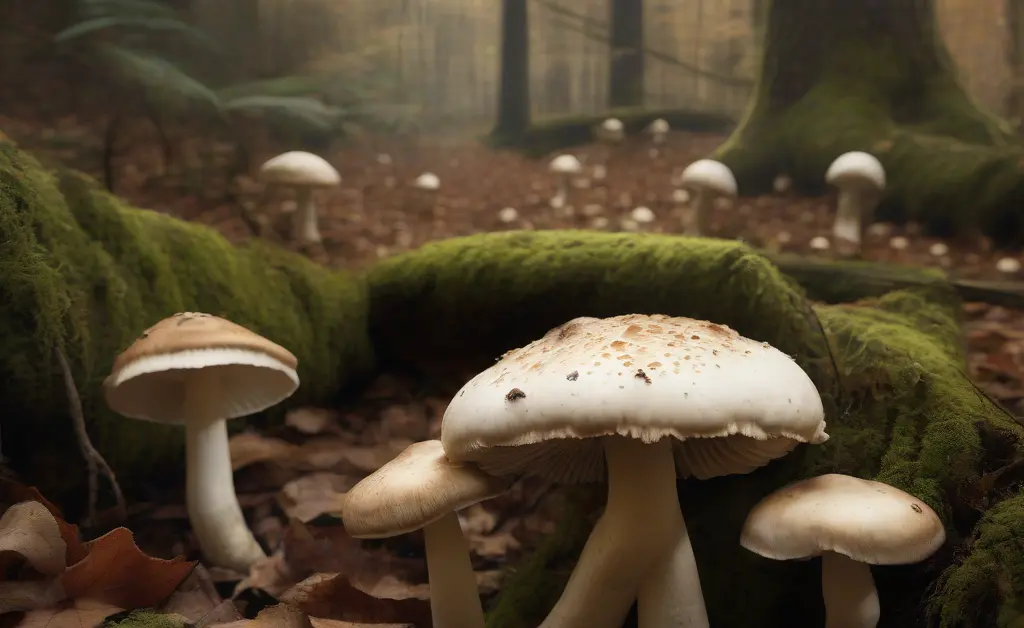
The diverse climate and rich natural habitats of Georgia provide fertile grounds for various fungi, including puffball mushrooms. Knowing the preferred environments of these fungi can significantly increase your chances of a successful foraging trip. When seeking a delicious puffball mushroom Georgia has to offer, understanding their preferred habitats is key to a rewarding experience. A general guide to puffball mushrooms can be found at oxivena.com/puffball-mushroom.
Forests and Woodlands
Many puffball species, particularly the pear-shaped puffball, thrive in forested and woodland areas. Look for them growing on or near decaying logs, stumps, and leaf litter. The rich, organic soil and shaded, humid conditions often found in Georgia’s deciduous and mixed forests create an ideal environment. Exploring areas with mature trees and a good accumulation of woody debris can often yield successful finds. Early morning after a rain can be a particularly fruitful time to search.
Meadows and Open Fields
Giant puffballs and some other terrestrial species are commonly found in open, grassy areas such as meadows, pastures, and large clearings. These mushrooms often appear as solitary specimens or in small groups on the ground. They tend to prefer well-drained soil and benefit from the sun exposure characteristic of open fields. Golf courses, parks, and agricultural fields (with permission, of course) can also be surprisingly productive spots for finding a puffball mushroom Georgia has to share.
Gardens and Lawns
It’s not uncommon for puffball mushrooms to emerge in more cultivated environments, including home gardens and lawns. They may appear suddenly after a period of rain, seemingly overnight. This is especially true if the soil is rich in organic matter or if there’s decaying wood buried beneath the surface. While finding them in your own backyard can be convenient, always exercise the same caution and rigorous identification checks as you would with any wild-foraged mushroom.
Edibility and Safety of Puffball Mushrooms in Georgia
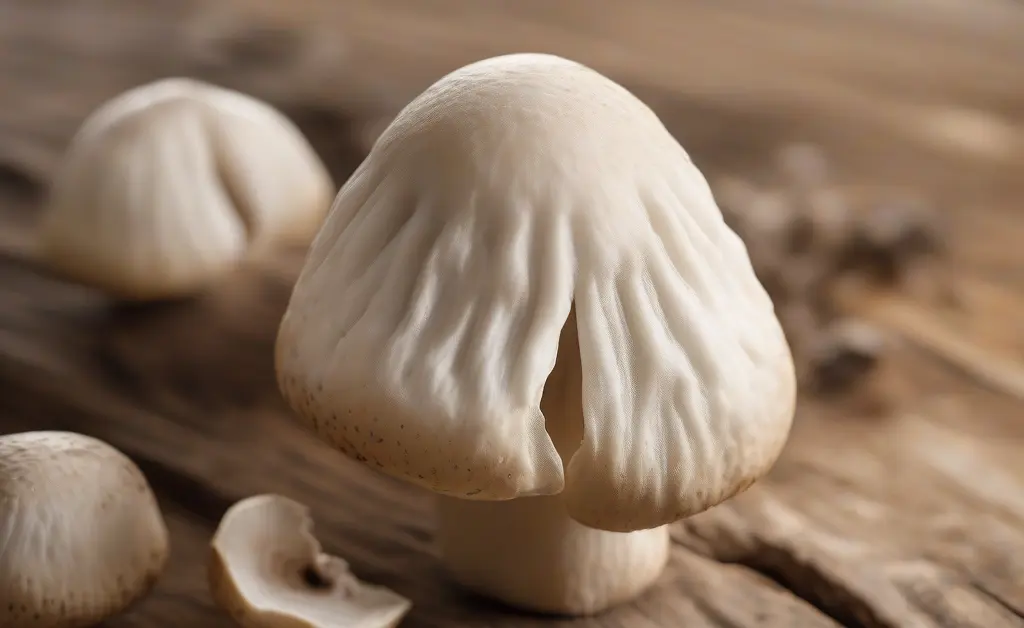
While many puffball species are considered edible and highly prized by foragers, ensuring their safety is paramount. The general rule for consuming puffball mushroom Georgia finds is that they must be young, firm, and have pure white flesh throughout when sliced open. Any internal discoloration, softness, or the presence of developing gills indicates that the mushroom is either too old, a toxic look-alike, or another species entirely. Consuming discolored or old puffballs can lead to digestive upset, even if the species is otherwise edible.
How to Identify and Prepare the Giant Puffball Mushroom
To confirm the edibility of a giant puffball, carefully cut it in half from top to bottom. The interior must be solid, uniformly white, and firm, resembling a fresh mozzarella ball or dense tofu. If any yellowing, greening, purpling, or a discernible outline of a developing mushroom cap and stem are present, discard it. Once confirmed as safe, the giant puffball can be prepared in various ways. Its mild flavor and firm texture make it versatile. Common methods include slicing it into “steaks” and frying or baking them, or cubing them for stir-fries and stews. They absorb flavors well, making them a good addition to many dishes. Always cook puffballs thoroughly before consumption.
Distinguishing Puffballs from Toxic Look-alikes
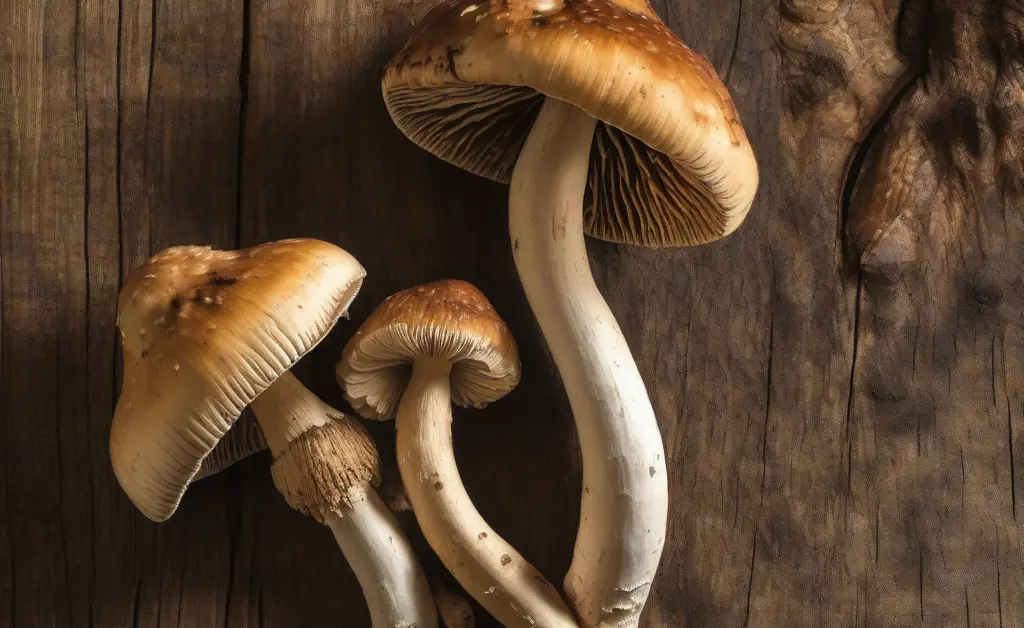
The most critical step in foraging for puffball mushroom Georgia locals might enjoy is distinguishing true edible puffballs from their potentially dangerous look-alikes. There are two primary categories of fungi that can be mistaken for puffballs, both of which require careful attention. For more information on food safety regulations and guidelines, consult the efsa.europa.eu.
Firstly, the most dangerous look-alike is the “egg” or “button” stage of deadly *Amanita* species, such as the Death Cap (*Amanita phalloides*) or Destroying Angel (*Amanita virosa*). These highly toxic mushrooms begin their life encased in a universal veil, which can make them appear rounded and solid like a puffball. The absolute rule to differentiate them is to always slice every suspected puffball vertically from top to bottom. If you see any internal structure resembling a developing cap, stem, or gills, even a faint outline, it is NOT a true puffball and could be a deadly *Amanita*. True puffballs will always have a uniformly solid, white, featureless interior.
Secondly, earthballs (genus *Scleroderma*) are a common toxic look-alike. These are indeed puffball-like fungi, but they are not edible and can cause severe gastrointestinal distress. Earthballs tend to have a thicker, tougher outer skin, and when cut open, their interior is typically dark purple or black, sometimes with white marbling, even when young. Unlike edible puffballs, their flesh is never uniformly white. Always ensure the internal flesh is pristine white to safely identify a puffball mushroom Georgia foragers can enjoy.
Foraging for puffball mushrooms in Georgia can be a deeply rewarding experience, offering both the thrill of discovery and the delight of a unique culinary ingredient. However, it is an activity that demands respect, knowledge, and rigorous adherence to safety precautions. Proper identification, especially differentiating edible species from toxic look-alikes like immature *Amanita* buttons and earthballs, is paramount. Always ensure the mushroom’s interior is uniformly white and firm, and when in doubt, it is always best to err on the side of caution and discard the specimen. By combining careful observation with a healthy respect for nature’s complexities, foragers can safely enjoy the bountiful offerings of Georgia’s fungal landscape.
This article is meant for general informational use and awareness. It is not intended to be a substitute for professional advice or guidance. Foraging for wild mushrooms carries inherent risks, and misidentification can lead to severe health consequences. Always consult with an expert mycologist or trusted field guide, and consider joining local foraging groups for hands-on learning before consuming any wild fungi.
FAQ
What do puffball mushrooms look like in Georgia?
Puffball mushrooms in Georgia are typically spherical or pear-shaped, varying greatly in size from just a few inches to over a foot in diameter. Their exterior is usually smooth and white when young, becoming more textured and often brownish or yellowish as they mature and begin to release spores. The inside of a young, edible puffball is uniformly white and firm, resembling a marshmallow.
Are all puffball mushrooms edible in Georgia?
No, not all puffball mushrooms are edible, and it’s crucial to correctly identify them before considering consumption. While many common puffballs are edible when young and pure white inside, some toxic mushrooms can resemble immature puffballs, particularly those in the Amanita genus which have a distinct internal structure and volva at the base. Always confirm positive identification, as consuming a poisonous look-alike can lead to severe illness.
Where can I find puffball mushrooms in Georgia?
Puffball mushrooms in Georgia can be found in a variety of habitats, including open fields, meadows, lawns, and sometimes in wooded areas. They often grow on the ground, and some species may even be found on decaying wood. Their presence is frequently linked to nutrient-rich soils.
When do puffball mushrooms grow in Georgia?
Puffball mushrooms in Georgia typically emerge during the warmer months, with peak growing seasons often occurring from late spring through fall. Their appearance is highly dependent on adequate moisture following dry periods. Specific fruiting times can vary based on local weather patterns and the particular species of puffball.
Continue reading
You May Also Like
Foraging in Georgia: A Guide to Edible Mushrooms
Safely identify and locate the most common edible mushrooms Georgia provides with our detailed guide on key features and poisonous lookalikes.
Puffball Mushroom Michigan: A Guide to Identification and Foraging
Correctly identify the prized puffball mushroom Michigan foragers seek by learning key features, prime hunting spots, and the best seasons.
Foraging Puffball Mushrooms in New Mexico
Find delicious, edible puffball mushroom new mexico with our complete guide on where to look, how to safely identify them, and what to cook.