
Foraging Puffball Mushrooms in New Mexico
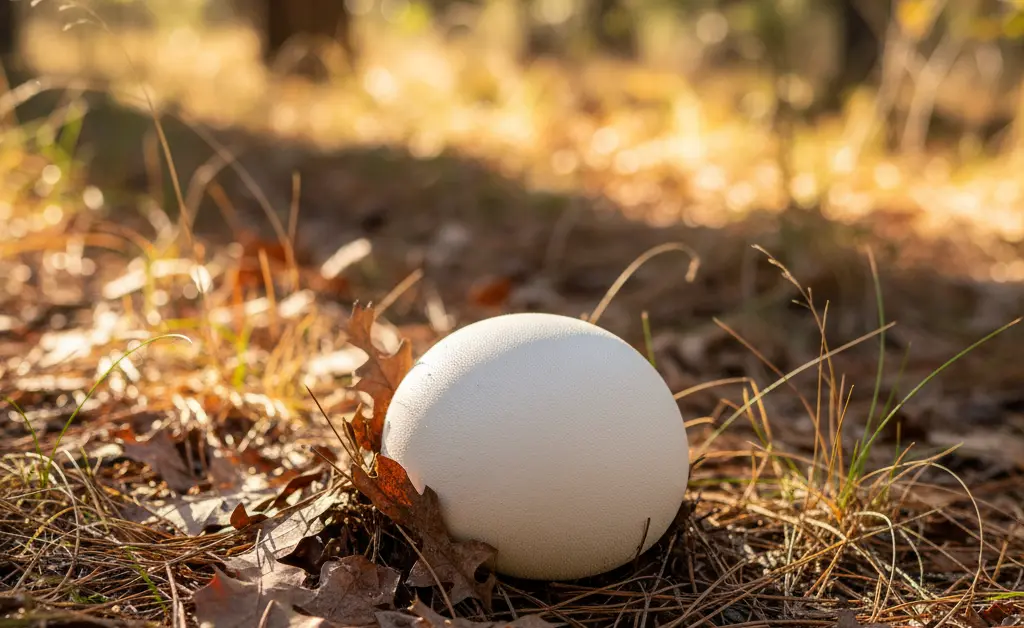
In an era where many are embracing a deeper connection with nature and seeking out sustainable, fresh ingredients for their culinary endeavors, foraging has emerged as a popular and rewarding activity. This growing interest extends to identifying and utilizing wild edibles found in local environments. Among the diverse array of natural foods available, the pursuit of unique fungi holds a special allure for home cooks and outdoor enthusiasts alike. This guide delves into the fascinating world of the puffball mushroom New Mexico offers, exploring its various types, identification methods, and culinary potential. Understanding how to safely locate and prepare these distinctive fungi can transform your cooking and outdoor experience, providing a direct link to the region’s natural bounty.
Puffball Mushroom New Mexico Edible
The vast landscapes of New Mexico are home to several edible puffball mushroom species, highly prized by foragers for their unique texture and mild flavor. When properly identified, these fungi can be a delicious and exciting addition to many meals. The edibility of a puffball is primarily determined by its internal consistency; a truly edible puffball will have a uniformly white, firm, and solid interior from top to bottom. Any discoloration, such as yellowing, browning, or purple hues, or the presence of gill-like structures within, typically indicates that the mushroom is either too old, toxic, or an entirely different species that should not be consumed. Foraging for puffball mushroom New Mexico varieties requires careful attention to these details to ensure safety and enjoyment.
Western Giant Puffball (Calvatia booniana)
The Western Giant Puffball is an impressive and highly sought-after edible fungus found in various parts of New Mexico. These puffballs can grow to substantial sizes, often resembling large, smooth, white or off-white balls on the ground. Their exterior is typically thick and somewhat leathery. Inside, the flesh is uniformly white and firm when young, making it a prime candidate for culinary use. It is primarily found in drier, often grassy areas or sagebrush flats, and its appearance can be quite striking against the arid New Mexico landscape. Its robust size means a single specimen can provide a generous amount for cooking.
Giant Puffball (Calvatia gigantea)
Similar to its western cousin, the Giant Puffball is another magnificent edible species that may be encountered in New Mexico. As its name suggests, it is known for its immense size, sometimes reaching diameters of over a foot. These puffballs are typically round or pear-shaped, with a smooth, white to off-white exterior. They often appear in grassy fields, meadows, and along forest edges, particularly after periods of rain. Like all edible puffballs, the interior must be pure white and free of any indications of gills or internal structures when cut open. Its mild flavor and firm texture make it a versatile ingredient in many dishes. For more information on puffball mushrooms, consider visiting puffball mushroom resources.
Common Puffball (Apioperdon pyriforme)
The Common Puffball, also known as the Stump Puffball, is a smaller but frequently encountered edible species in New Mexico. Unlike the giant varieties, these puffballs are typically pear-shaped, measuring a few inches tall, and often grow in dense clusters on decaying wood or forest debris. Their outer surface ranges from white to light brown and may have small granular bumps. When young and firm, their interior is white and edible. As they mature, the interior turns yellowish and eventually greenish-brown, releasing spores, at which point they are no longer suitable for consumption. Their commonality and tendency to grow in groups make them a delightful find for foragers.
Types of Puffball Mushrooms in New Mexico
New Mexico’s diverse ecosystems, ranging from high mountain forests to semi-arid grasslands, support a variety of puffball mushrooms. Beyond the well-known giant varieties, several other species contribute to the rich mycological tapestry of the region. Understanding the different types helps foragers appreciate the ecological diversity and improve their identification skills for any puffball mushroom New Mexico offers.
Brown Puffball Mushroom
While not a single species, “brown puffball mushroom” often refers to various smaller puffballs that develop a brownish exterior as they mature. These can include species like some Lycoperdon varieties. They are generally smaller than the giant puffballs, often measuring a few inches in diameter. Their surface might be smooth or covered in small warts or spines that rub off easily. Edibility, as with all puffballs, depends entirely on the interior being uniformly white and firm. Many brown puffballs found on the forest floor, if young and pure white inside, can be edible, but careful identification is always paramount, especially when differentiating them from potentially toxic earthballs.
Other Puffball Species in the Region
New Mexico is home to a range of other puffball species, many of which are smaller and less commonly sought after for culinary purposes, but still contribute to the local fungal ecology. These can include species from genera like *Lycoperdon* and *Bovista*, which vary in size, shape, and surface texture. Some might have spiny exteriors, while others are smoother. While many are technically edible if found young and pure white inside, their small size often makes them less desirable for collection. It is crucial to remember that even within these smaller groups, careful identification is essential, and any puffball showing internal discoloration or developing internal structures should be avoided.
Where to Find Puffball Mushrooms in New Mexico
Locating a puffball mushroom in New Mexico can be a rewarding experience for any nature enthusiast. These fungi thrive in a variety of environments, making the search an adventure across different landscapes. Their preferred habitats vary by species, but a general understanding of where to look can significantly increase your chances of a successful forage. Puffballs do not grow on trees like some other fungi; they emerge from the ground, often in open, disturbed areas.
The preferred habitats for many puffball species include open grasslands, meadows, pastures, and the edges of forests. They can also be found in disturbed areas, such as along trails or in old fields. The seasonal availability for puffball mushroom New Mexico species typically peaks during the late summer and fall months, especially after significant rainfall. The moisture allows their fruiting bodies to develop and expand rapidly. While some varieties may appear in late spring, the most abundant finds usually occur during the warmer, wetter periods of the year. Understanding these patterns, combined with knowledge of the specific characteristics of each species, will guide foragers to potential discovery sites.
Puffball Mushroom Characteristics
When searching for puffball mushrooms, recognizing their distinct characteristics is key. Edible puffballs are typically spherical to pear-shaped, growing directly from the ground or from decaying wood in the case of some smaller species. They lack a distinct stem and cap structure, appearing instead as a single, rounded body. The exterior can vary in color from pure white to off-white or light brown, and the texture may be smooth, slightly granular, or even spiny. The most crucial characteristic, which must be observed by cutting the mushroom in half, is a uniformly solid, pure white interior. This solid, cheese-like flesh indicates a young, edible specimen. Any other color, especially yellow, brown, or purplish hues, or the presence of a developing cap and gills inside, means it is either too old, toxic, or not a true puffball suitable for consumption.
Identifying Edible vs. Poisonous Puffballs
Distinguishing between edible and potentially poisonous puffball mushroom New Mexico varieties is perhaps the most critical aspect of foraging. While many puffballs are delicious, misidentification can lead to serious health issues. There are a few key look-alikes and signs that differentiate a safe puffball from a dangerous one. Always approach mushroom identification with caution and thoroughness, as even experienced foragers can make mistakes. For guidance on food safety, the WHO offers valuable information.
Key Identification Features
The primary feature to confirm the edibility of a puffball is its internal structure. When you slice a puffball open from top to bottom, the flesh should be uniformly solid, firm, and pure white throughout, resembling a block of fresh mozzarella cheese. There should be no signs of developing gills, a cap, or a stem forming inside. Any hint of yellow, olive, brown, or purplish discoloration, or any patterned internal structure, means the mushroom is either past its prime, an earthball, or a young, potentially toxic gilled mushroom. The outer skin of an edible puffball is usually soft and easily peeled or cleaned. If the skin is tough or has a scaly appearance that does not easily rub off, it warrants further inspection.
Common Look-Alikes and How to Differentiate
Several fungi can be mistaken for edible puffballs, and knowing how to differentiate them is vital. The most dangerous look-alike is a young, unopened death cap (Amanita phalloides) or other toxic Amanita species. These young Amanitas, when encased in their universal veil, can resemble small puffballs. However, cutting them open will reveal the distinct outline of a cap and gills within, even if they are still immature. Earthballs (Scleroderma species) are another common look-alike. While superficially resembling puffballs, their interior, when cut, will be dark purplish-black, firm, and develop a marbled pattern, rather than being uniformly white. Earthballs are typically firm and have a tough, leathery outer skin. Remember the adage: “When in doubt, throw it out.” Never consume a mushroom unless you are 100% certain of its identity and edibility.
How to Harvest and Prepare Puffball Mushrooms
Harvesting and preparing puffball mushrooms for culinary use involves several steps to ensure both safety and enjoyment. Sustainable harvesting practices are crucial to maintain healthy fungal populations. When you find a puffball, gently twist or cut it at the base, leaving the underground mycelium intact. This allows the fungal network to continue producing mushrooms in the future. Inspect each puffball carefully before placing it in your basket; avoid any that show signs of decay, insect damage, or discoloration.
Once harvested, cleaning and preparing puffball mushrooms is relatively straightforward. First, wipe any dirt or debris from the exterior with a dry cloth or soft brush. Avoid washing them under running water unless absolutely necessary, as they can absorb moisture and become soggy. For most large puffballs, the outer skin can be peeled away. Slice the puffball from top to bottom to confirm the interior is pure white and solid, with no signs of gills or discoloration. If the interior is not pristine white, discard it. Cut the clean, white flesh into desired shapes, such as slices, cubes, or “steaks,” depending on your recipe. Fresh puffballs are best consumed within a day or two, but they can also be refrigerated for a short period or prepared and frozen for longer storage.
Culinary Uses and Recipes for Puffball Mushrooms
The mild, earthy flavor and unique, spongy-firm texture of puffball mushrooms make them a versatile ingredient in the kitchen. They readily absorb flavors from other ingredients, making them adaptable to a wide range of culinary styles. The flavor profile is subtle, often described as nutty or slightly mushroomy, without the intense umami of some other wild fungi. This makes them a great blank canvas for various cooking methods.
Common cooking methods for puffball mushrooms include roasting, frying, and sautéing. Due to their high moisture content, it is often beneficial to cook them over medium-high heat to allow for proper browning and to avoid a soggy texture. When cut into thick slices, they can be pan-fried or grilled like “steaks,” offering a hearty, satisfying experience. For puffball steaks, simply dredge the slices in seasoned flour or breadcrumbs and pan-fry until golden brown and cooked through. They can also be cubed and sautéed with butter, garlic, and herbs as a side dish or added to stir-fries, omelets, and pasta sauces. Fried puffballs are another popular preparation, where smaller pieces are battered and deep-fried until crispy. Their absorbent nature means they can soak up marinades beautifully, adding depth to their natural flavor. Experimentation is encouraged to discover your favorite ways to enjoy this unique gift from the New Mexico wilderness.
Foraging for wild edibles like the puffball mushroom in New Mexico offers a unique opportunity to connect with nature and enjoy fresh, delicious ingredients. However, it is a practice that demands respect, knowledge, and an unwavering commitment to safety. By understanding the specific characteristics of edible species, learning to differentiate them from their poisonous look-alikes, and adopting sustainable harvesting techniques, you can safely explore the culinary potential of these fascinating fungi. Always remember that correct identification is paramount, and when in any doubt, the safest course of action is to refrain from consumption. With careful practice and informed caution, the bounty of New Mexico’s wild puffballs can become a cherished part of your culinary adventures.
This article aims to inform, not to replace professional healthcare advice. Foraging for wild mushrooms carries inherent risks, and misidentification can lead to serious health consequences. Always consult with an expert mycologist or an experienced local forager before consuming any wild mushroom. This content is for educational purposes only and should not be used as a sole guide for identification. Your personal safety should always be the top priority when engaging in foraging activities.
FAQ
Are puffball mushrooms in New Mexico edible?
Many puffball mushrooms are indeed edible when they are young and firm, before the spores inside have developed. The key to edibility lies in their internal texture being uniformly white and solid, without any distinct gills or cap structures. Always ensure positive identification before consuming any wild mushroom.
What do puffball mushrooms look like in New Mexico?
Puffball mushrooms vary in shape and size, but they are generally characterized by their round or pear-like form and lack of a stem or cap. Their exterior can be smooth or spiny, and the interior is typically white and spongy when young. As they mature, the inside turns powdery and releases spores.
Where can I find puffball mushrooms in New Mexico?
These fungi often grow in grassy areas, meadows, forests, and even on lawns throughout New Mexico. They tend to favor damp, shaded locations but can also be found in more open, sunlit fields depending on the species. Specific habitats can vary by season and rainfall.
How do I identify a puffball mushroom in New Mexico?
A key identifier for puffballs is their unique structure: a rounded or pear-shaped fruiting body that lacks a visible stem and cap. When sliced open, a young puffball will reveal a uniform, white, fleshy interior without any internal gills or other mushroom parts. The exterior surface can range from smooth to prickly.
Are there any poisonous puffball mushroom look alikes?
Yes, there are several mushrooms that can be mistaken for puffballs, some of which are poisonous. Immature deadly Amanitas, for instance, can appear as a simple white ball when underground, but they will develop distinct cap, stem, and gill structures as they mature. Proper identification is crucial to distinguish edible puffballs from potentially harmful look-alikes.
Is a puffball mushroom poisonous?
While many puffball mushrooms are edible when young, some can be toxic if consumed, particularly if they are old or if they are a poisonous species. The primary indicator for edibility is the internal texture being pure white and solid throughout; any discoloration or development of internal structures suggests it is not a puffball or is past its prime. Consulting a local mushroom expert is always recommended for accurate identification.
Can you eat a puffball mushroom?
Many species of puffball mushrooms are edible and enjoyed by foragers when they are young and their flesh is firm and uniformly white. It is imperative to correctly identify the mushroom before consumption, ensuring it is indeed a puffball and not a young poisonous mushroom. The interior should be solid and white, resembling a marshmallow.
What mushroom looks like a big white ball?
Mushrooms that appear as big white balls are typically puffballs, such as the giant puffball species. These fungi lack a traditional stem and cap, presenting instead as a simple, rounded fruiting body. When young and edible, their internal flesh is uniformly white and solid.
Continue reading
You May Also Like
A Guide to Foraging Puffball Mushrooms in Georgia
Safely identify the puffball mushroom Georgia with our guide covering key visual traits, common habitats, and how to avoid toxic look-alikes.
Puffball Mushroom Michigan: A Guide to Identification and Foraging
Correctly identify the prized puffball mushroom Michigan foragers seek by learning key features, prime hunting spots, and the best seasons.
Foraging New York's Puffball Mushrooms
Our complete guide helps you safely identify and find the best puffball mushroom new york, giving you the confidence to forage successfully.