
Identifying Puffball Mushrooms Across Canada
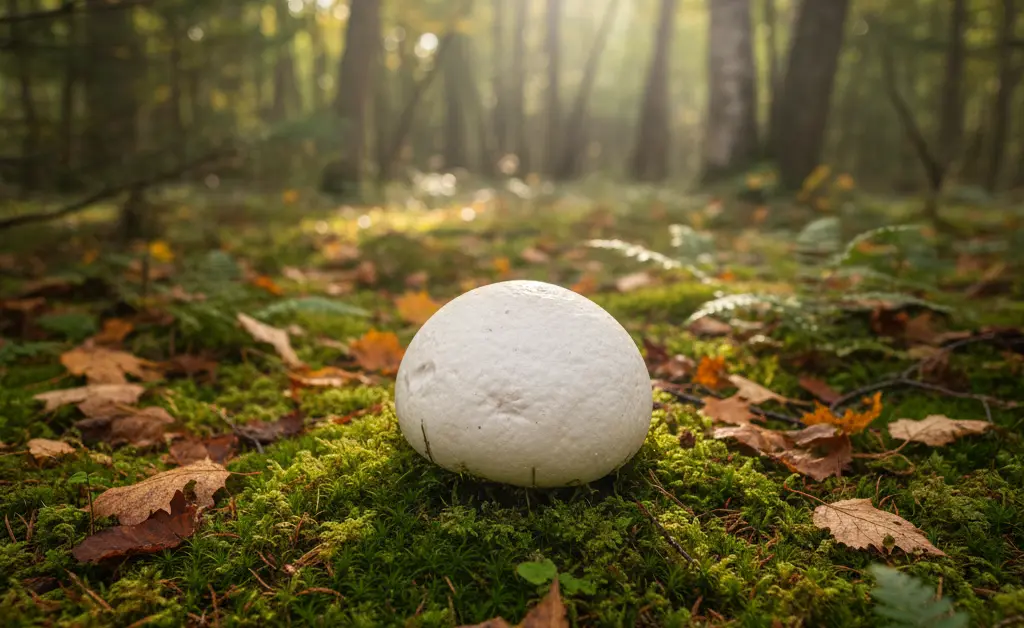
Puffball mushrooms are a distinctive group of fungi known for their unique shape. In Canada, these fungi appear in various habitats, offering an interesting challenge for foragers and enthusiasts alike. Understanding the characteristics of an edible puffball mushroom Canada offers is crucial for safe consumption. This guide provides essential information for identifying different species found across the country, detailing their common features and highlighting key distinctions from potentially toxic look-alikes. It also covers safe foraging practices and offers tips on where to locate these intriguing edibles, ensuring a safe and rewarding experience for anyone exploring Canada’s fungal diversity.
Identifying Puffball Mushrooms in Canada
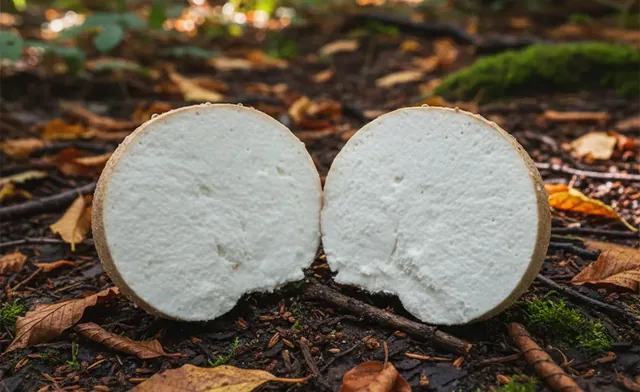
Accurate identification is paramount when foraging for any wild mushroom, and the same holds true for the various species of puffball mushroom Canada hosts. These fungi are generally characterized by their globular or pear-shaped fruiting bodies, lacking a distinct cap and stem like gilled mushrooms. Their interior structure is key to distinguishing edible varieties from others. When cut open, edible puffballs should reveal a uniformly white, solid, and spongy flesh with no signs of gills or discoloration. Any deviation from this pure white interior is a significant warning sign. This is crucial for safe foraging, so always remember to check the puffball mushroom interior.
Common Puffball Species in Canada
Canada is home to several common puffball species, each with unique attributes that aid in identification. The Giant Puffball (Calvatia gigantea) is perhaps the most recognizable, often reaching impressive sizes. Other prevalent species include the Common Puffball (Lycoperdon perlatum), characterized by its spiny or warty surface, and the Pear-shaped Puffball (Apioperdon pyriforme), which frequently grows in clusters on decaying wood. Understanding the typical size, surface texture, and growth habit of these species can greatly assist in their proper identification across different Canadian regions.
Distinguishing Puffballs from Look-alikes
Distinguishing edible puffball mushrooms from potentially toxic look-alikes is a critical step for safe foraging. The primary concern lies with young Amanita mushrooms, which, in their button stage, can resemble small, white puffballs. However, cutting an Amanita button in half will reveal the nascent gills and cap structure, often with a developing stem and volva (cup-like structure) at the base, which are entirely absent in true puffballs. Other non-edible fungi might have a similar shape but will lack the pure white, uniform interior. Always err on the side of caution if there is any doubt.
The Golden Rule: Pure White Interior
The “golden rule” for identifying an edible puffball is simple yet critical: always slice the mushroom open from top to bottom. The interior flesh must be uniformly pure white, firm, and solid, with a texture similar to a marshmallow or fresh mozzarella cheese. There should be no yellowing, greening, purpling, or browning. Crucially, there must be no indication of internal structures like gills, a developing stem, or a cap. This pure white interior indicates immaturity and edibility for many puffball species.
Warning Signs of Toxic Puffballs
While many puffballs are considered edible, there are definite warning signs that indicate a mushroom is either toxic or too old for consumption. Any puffball that is discolored internally (yellow, green, purple, or brown) should be discarded immediately. These colors often indicate spore development, which can lead to digestive upset, or the presence of a different, potentially toxic species. Furthermore, any mushroom that, when cut open, reveals the outline of a cap and gills should be considered a young, poisonous Amanita and must be avoided. The presence of insect tunnels or a soft, squishy texture can also indicate spoilage, making the mushroom unfit for consumption. For more information on food safety, consult resources from the European Food Safety Authority.
Where to Find Puffball Mushrooms in Canada
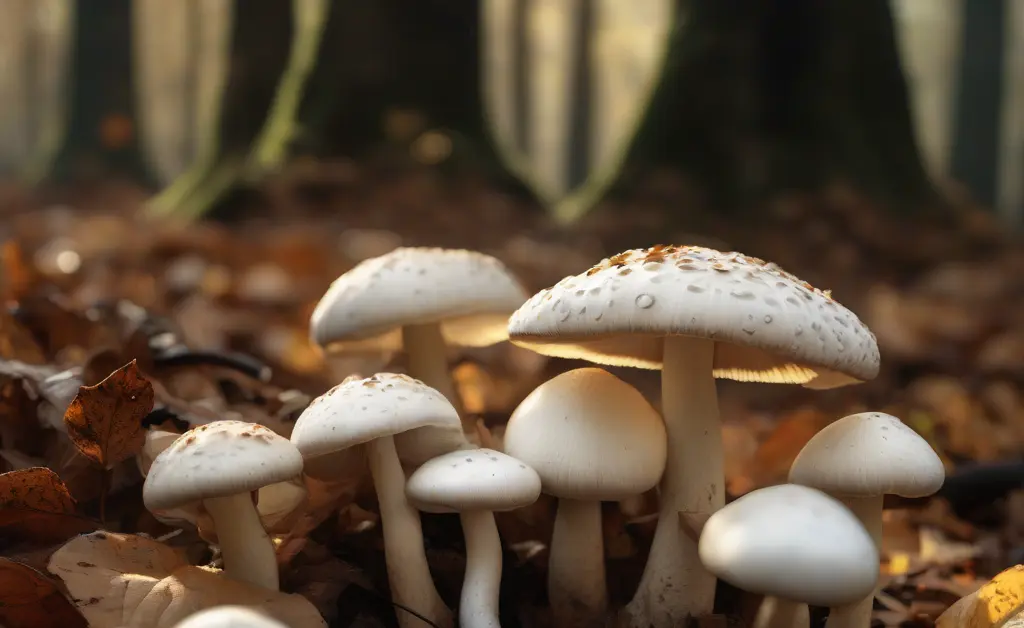
Puffball mushrooms are quite widespread across Canada, thriving in a variety of habitats depending on the species. General puffball mushroom Canada populations can be found in grassy areas, open woodlands, forest edges, and even suburban lawns. They tend to prefer moist, rich soil and are often encountered during late summer and fall, although some species may appear earlier. When searching, look for areas with decaying organic matter, as many puffballs are saprobic, meaning they obtain nutrients from dead material. Knowing the typical growth patterns and preferred environments of these fungi can significantly increase foraging success.
How to identify edible puffball mushrooms in Ontario
In Ontario, identifying edible puffball mushrooms involves applying the general rules of identification while also considering regional specifics. The Giant Puffball is particularly well-known in Ontario and can be found in fields, meadows, and deciduous forests, often near old apple orchards or along forest edges. Smaller species like the Common Puffball or Pear-shaped Puffball are abundant in various wooded areas, growing on the ground or decaying logs. Foragers in Ontario should always carry a reliable field guide specific to the region and adhere to the pure white interior rule. Always ensure the specimen has no gills, no evidence of a stem, and a firm, homogeneous white flesh throughout before considering it for consumption.
Giant puffball mushroom canada
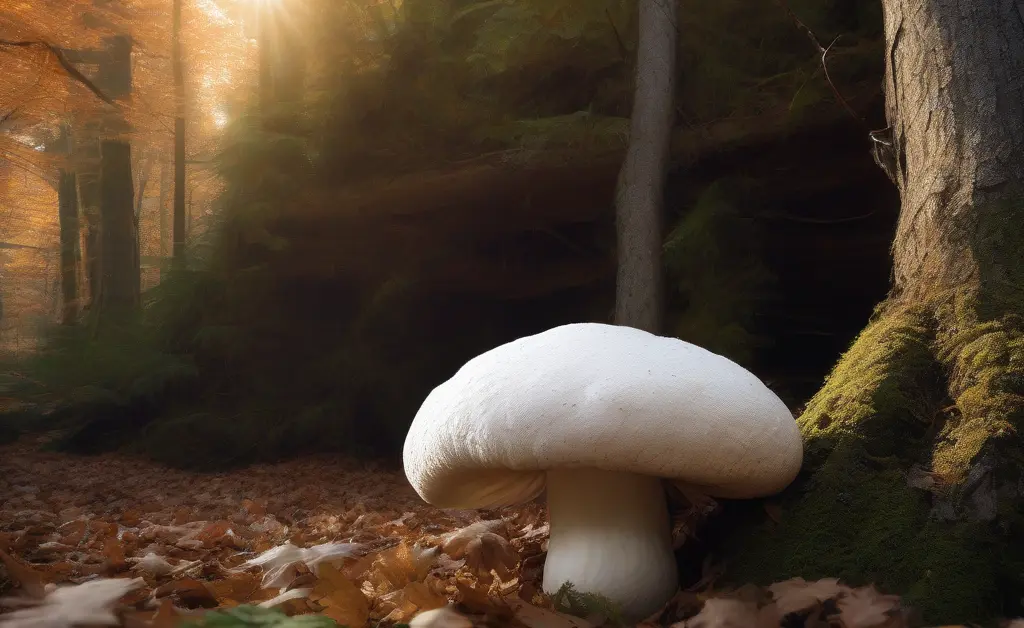
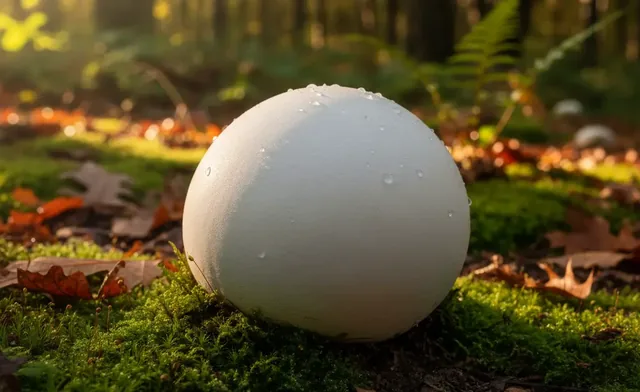
The Giant Puffball (Calvatia gigantea) is a truly impressive and sought-after edible fungus found across much of Canada. These magnificent mushrooms can grow to enormous sizes, sometimes exceeding 50 cm (20 inches) in diameter and weighing several kilograms. They are typically spherical or somewhat flattened in shape, with a smooth, white to off-white exterior. When young and edible, the entire interior of a Giant puffball mushroom Canada specimen is a uniform, solid white, resembling firm tofu or cheese. As they mature, the interior begins to turn yellow, then green, and finally brown, filling with powdery spores. Only the pure white, firm specimens are considered edible. Their large size makes them easily distinguishable from most other fungi, significantly reducing the risk of misidentification with smaller, toxic look-alikes, provided the internal white flesh rule is strictly followed.
Exploring the diverse world of puffball mushrooms in Canada offers a rewarding experience for nature enthusiasts and foragers. By understanding the key identification features, recognizing common species, and adhering to strict safety protocols, individuals can enjoy the unique culinary delights these fungi offer. Always prioritize careful identification and responsible harvesting to ensure a safe and enjoyable foraging journey across Canada’s rich fungal landscapes.
This content is for informational use and should not be considered medical instruction. It is essential to consult with qualified experts or healthcare professionals for any health concerns. Wild mushroom identification for consumption carries inherent risks and requires expert knowledge and caution. Incorrect identification can lead to severe health consequences. The information provided is not intended to replace professional advice or serve as a guide for self-treatment or diagnosis.
FAQ
Are puffball mushrooms in Canada edible?
Many puffball mushroom species found in Canada are edible and prized for their mild, earthy flavor. However, it is crucial to positively identify them before consumption, as some immature mushrooms can be mistaken for toxic species. Proper identification ensures a safe and enjoyable foraging experience.
How do you identify a puffball mushroom in Ontario?
Puffball mushrooms are generally identified by their distinct round or oval shape and the fact that they lack gills, instead possessing a mass of spores internally. Young, edible puffballs have a solid, homogenous white interior, which is a key characteristic for differentiation. As they mature, this interior can change color and texture, eventually developing into a powdery spore mass.
Where are puffball mushrooms found in Canada?
Puffball mushrooms can be found across Canada in a variety of habitats, including forests, meadows, and even lawns. They often grow singly or in clusters on the ground. Their distribution is widespread, appearing in different ecological zones throughout the country.
Are all puffball mushrooms safe to eat?
No, not all puffball mushrooms are safe to eat. While many species are considered edible when young and solid white inside, it is essential to correctly identify each mushroom before consumption. An immature mushroom that resembles a puffball but is actually the young of a toxic species can pose a significant health risk.
Is a puffball mushroom poisonous?
A puffball mushroom itself is not inherently poisonous; however, it is critical to distinguish them from other mushrooms that can be poisonous. Young, edible puffballs are solid white throughout, and this characteristic is paramount for safe identification. If a mushroom has the shape of a puffball but shows signs of developing gills or has an irregular interior, it should not be consumed.
Are there any poisonous puffball mushroom look alikes?
Yes, there are poisonous look-alikes, particularly the immature stages of certain gilled mushrooms that can resemble puffballs from the outside. When sliced open, these dangerous look-alikes will reveal the developing structure of a gilled mushroom, unlike the uniform, white interior of a true puffball. Careful inspection, including slicing the mushroom in half, is vital to avoid misidentification.
Continue reading
You May Also Like
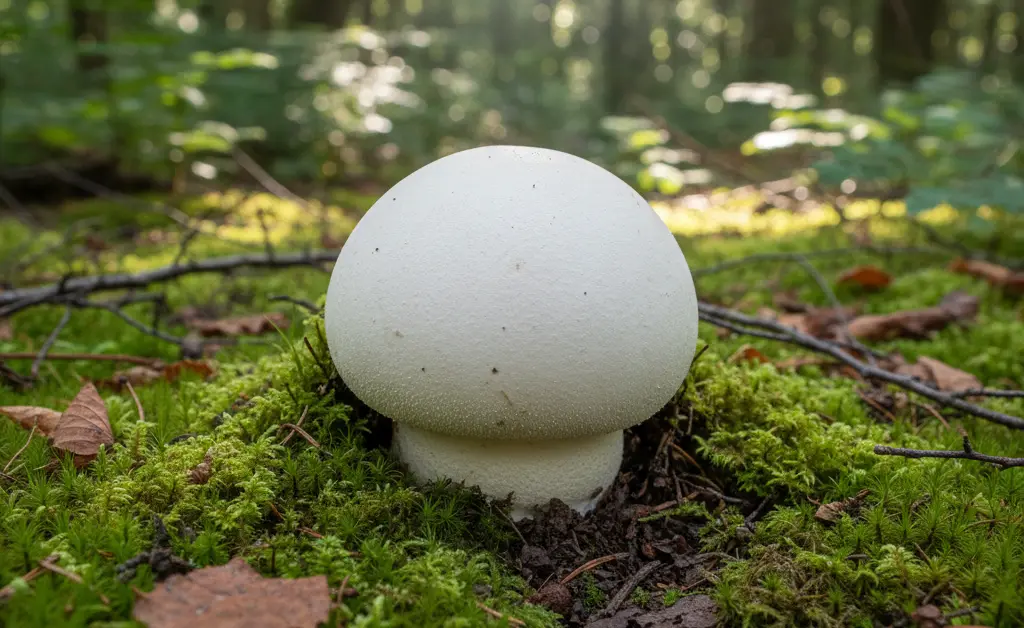
Safely Identifying Puffball Mushrooms in Arkansas
Our guide helps you safely identify the puffball mushroom Arkansas has to offer, detailing key features to confidently avoid toxic look-alikes.
Identifying Edible Puffball Mushrooms in Maryland
This guide details how to identify the edible puffball mushroom Maryland, covering key characteristics and the best times for safe foraging.
Identifying Edible Puffball Mushrooms in Ohio
Correctly identify the puffball mushroom ohio with this guide to its key features, edibility, and how to safely distinguish it from toxic lookalikes.