
The Forager’s Guide to Colorado Puffball Mushrooms
For many, the natural world holds an endless array of wonders, and among them, the humble mushroom often sparks a unique sense of curiosity and discovery. There’s a particular joy in identifying and responsibly harvesting wild edibles, connecting us to the ancient practice of foraging. This guide aims to instill confidence in enthusiasts and beginners alike, simplifying the often-complex world of fungi identification, specifically focusing on the distinctive puffball varieties. We’ll delve into the characteristics, habitats, and edibility of various species, ensuring that your foraging adventures are both rewarding and safe. Prepare to explore the fascinating diversity of the puffball mushroom colorado offers, transforming a walk in the wilderness into an exciting treasure hunt for these unique and often delicious fungi.
Common Puffball Species in Colorado
Colorado’s diverse ecosystems provide a rich environment for numerous fungal species, including several types of puffball mushrooms. Understanding the common varieties can significantly aid in successful and safe foraging. Many enthusiasts specifically seek out the puffball mushroom Colorado is known to host, recognizing their unique culinary appeal and widespread presence. Learning about the puffball mushroom can enhance your foraging knowledge.
Giant Puffball (Calvatia gigantea)
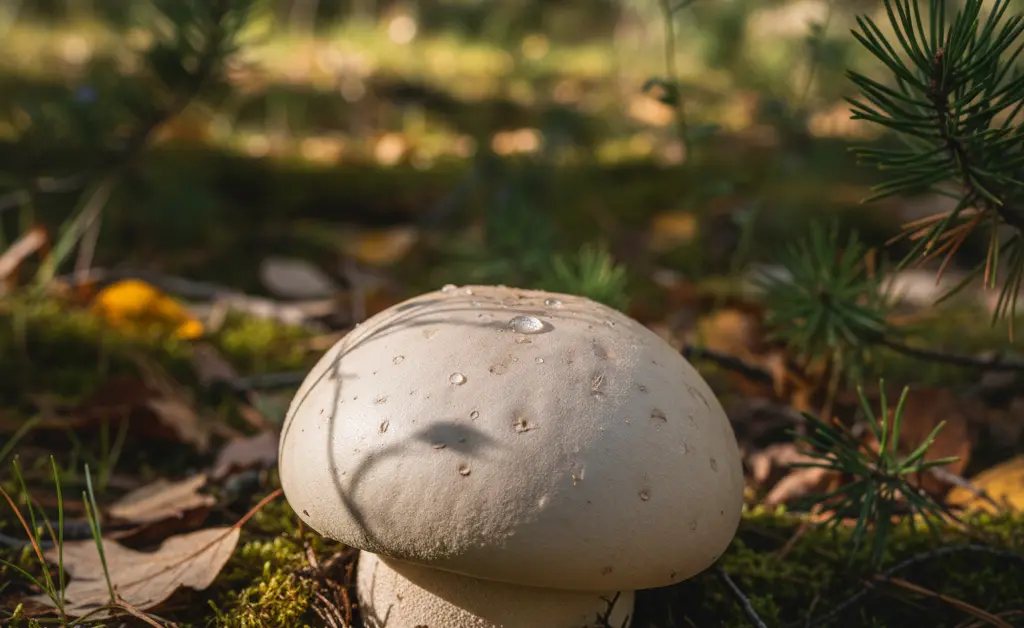
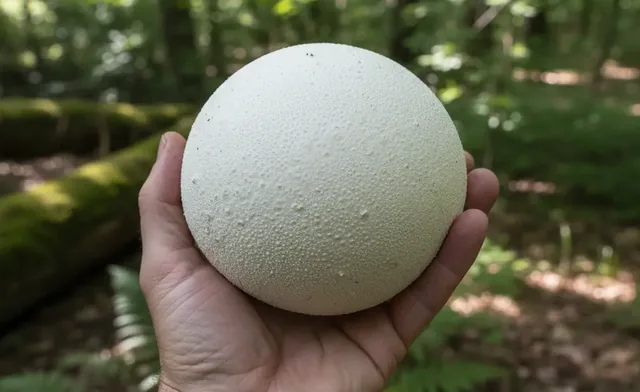
The Giant Puffball is arguably the most recognized and sought-after puffball species. It can grow to an impressive size, sometimes resembling a large soccer ball or even larger, reaching diameters that may exceed 20 inches. Its exterior is typically smooth and white or off-white, and its interior, when young and edible, is uniformly white and firm. These magnificent fungi are often found in open fields, meadows, and disturbed areas, making them a significant find for any mushroom hunter.
Pear-shaped Puffball (Apioperdon pyriforme)
Unlike its colossal relative, the Pear-shaped Puffball is considerably smaller, often growing in dense clusters on decaying wood. Its common name accurately describes its form, which is typically pear-shaped with a tapered base. The color ranges from white to yellowish-brown, and the surface can be finely granular. When young, its internal flesh is white and firm, signifying its edible stage. These are common inhabitants of forests, growing directly on logs, stumps, or buried wood.
Field Puffball (Disciseda spp.)
Field Puffballs represent a genus of smaller puffball fungi often found in open, grassy areas, sometimes mistaken for small stones or other ground-dwelling fungi. Their appearance can vary, but they generally have a round to somewhat flattened shape, often developing a small pore or opening at the top as they mature. The outer surface may be whitish to brownish, and their internal flesh, when immature, is white and cohesive. These are less frequently harvested for culinary purposes due to their small size but are a common sight in their preferred habitats.
Other Colorado Puffball Varieties
Beyond these common species, Colorado is home to a range of other puffball varieties. These may include species from genera such as Lycoperdon, which typically encompasses smaller, round puffballs often with a slightly spiny or warted surface, and Bovista, known for their smoother exteriors. While many of these smaller puffballs share the characteristic white, uniform interior when young and edible, careful identification is always paramount. Each species contributes to the rich mycological diversity found across the state.
Identifying Puffball Mushrooms in Colorado
Accurate identification is the cornerstone of safe mushroom foraging, especially when it comes to edibles like the puffball mushroom Colorado offers. While many puffballs are considered choice edibles, there are important distinctions to make to avoid potentially harmful look-alikes. Focus on key visual and tactile characteristics during your search.
Size and Shape
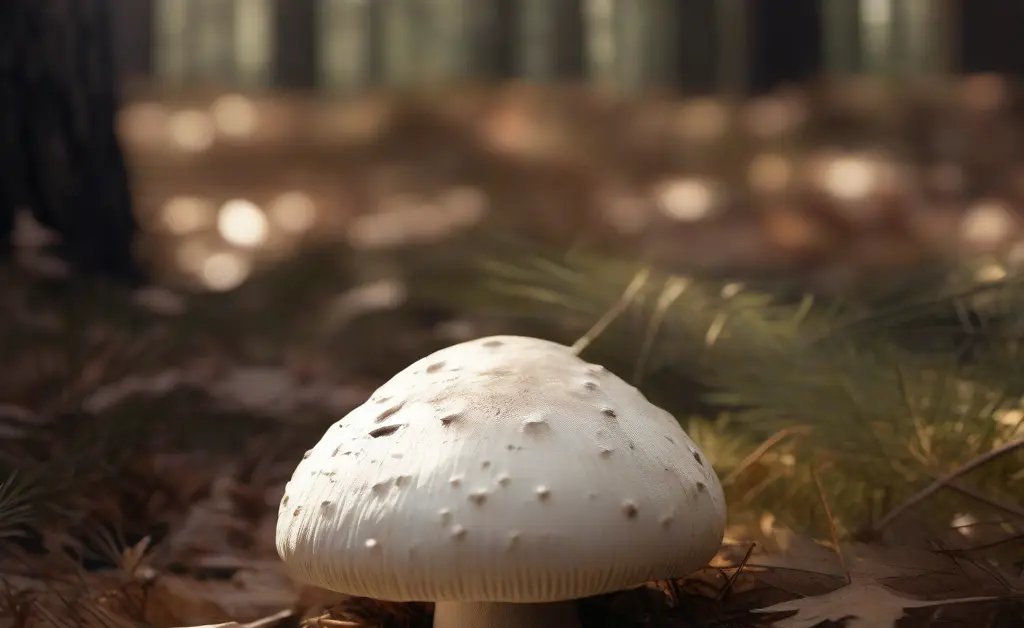
Puffball mushrooms generally exhibit a spherical or pear-shaped form, lacking a defined stem in most cases, or having only a rudimentary, constricted base. The size can vary dramatically, from the colossal Giant Puffball that can span many inches across to smaller species that may be just an inch or two in diameter. The consistency of the shape—whether perfectly round, slightly flattened, or with a distinct base—is an important identification clue.
Coloration and Texture
The exterior of puffballs typically ranges from pure white to off-white, cream, tan, or even light brown. The surface texture can be smooth, finely granular, or covered with small spines or warts, which may rub off easily. The most critical aspect of coloration for edibility lies within: a true edible puffball, when sliced open, will reveal a uniformly solid, pure white interior. Any hint of yellow, green, or purple discoloration, or a developing outline of gills, suggests it is either past its edible prime, a different species, or a potentially toxic look-alike.
Spore Print
For many mushroom species, a spore print is a vital identification tool. However, for puffball mushrooms, a traditional spore print is generally not practical or useful in the same way. Puffballs are gastromycetes, meaning their spores develop internally. As they mature, the internal white flesh darkens and transforms into a powdery mass of spores, often yellow, green, or brown, which are then released through an apical pore or by the breaking down of the outer skin. Therefore, inspecting the internal flesh for its pure white color is the primary indicator of edibility and proper identification, rather than attempting a spore print.
Where to Find Puffball Mushrooms in Colorado
Knowing the preferred habitats and growth patterns can significantly increase your chances of finding a puffball mushroom in Colorado. These fungi are quite adaptable, flourishing in a range of environments across the state, from high elevations to lower plains.
Stump Puffball Mushroom
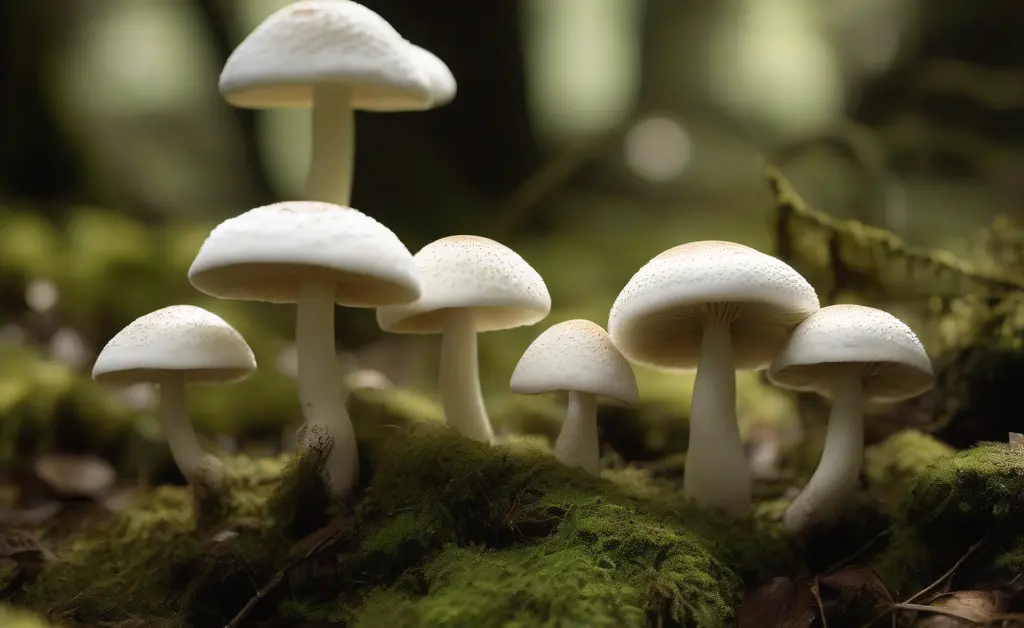
While some puffballs grow directly on the ground, the Pear-shaped Puffball (Apioperdon pyriforme) is a notable exception often referred to as a “Stump Puffball Mushroom” due to its propensity for growing on decaying wood. These are typically found in clusters on logs, stumps, and wood debris, making them a common sight in wooded areas and forests. Identifying their specific substrate is a key indicator of their identity.
Habitat and Growth Patterns
Puffball mushrooms generally thrive in environments rich in organic matter. They can be found solitary, scattered, or in dense clusters depending on the species and environmental conditions. Their growth is often associated with areas that have experienced some level of disturbance or where nutrients are readily available from decomposing plant material.
Grasslands and Meadows
Open areas such as grasslands, meadows, and pastures are prime locations for discovering species like the Giant Puffball and various Field Puffballs. These fungi often appear after periods of rain, growing directly from the soil. They can sometimes be quite hidden amongst the grasses, requiring a keen eye to spot their spherical or semi-spherical forms.
Forest Edges and Open Woodlands
Many puffball species, including some smaller ones and the Pear-shaped Puffball, favor the fringes of forests, clearings, and open woodlands. The partial shade and abundance of decaying leaves, wood, and other organic debris provide an ideal microclimate for their development. Look around the base of trees, near fallen logs, and along well-trodden paths in these areas.
Elevation Preferences
Colorado’s varied elevations play a role in the distribution of puffball species. While some puffballs can be found at lower elevations in plains and river valleys, others may prefer the cooler, moister conditions found at higher altitudes in the montane and subalpine zones. Generally, the late summer and early fall seasons, particularly after good rains, are optimal for finding these fungi across various elevations.
Seasonal Availability
The most prolific season for puffball mushrooms in Colorado is typically late summer through early fall. However, availability can fluctuate based on rainfall patterns, temperature, and specific species. Some may appear earlier in the summer, while others might persist into late autumn. Consistent moisture following warmer periods often triggers their fruiting, making them a rewarding find for seasonal foragers.
Puffball Mushroom Colorado Edible
The edibility of these fungi is a subject of great interest for foragers. When Are Puffballs Edible? The primary rule for consuming any puffball is that its internal flesh must be uniformly pure white, firm, and consistent throughout. If there is any discoloration, such as yellowing, browning, or a developing outline of gills, the mushroom should be discarded. These signs indicate either maturity (where the spores are developing and the mushroom becomes mealy and less palatable) or that it is a different, potentially toxic, species. Foragers often seek out recipes, understanding How to Prepare Edible Puffballs, which can range from simply slicing and frying them like steaks to incorporating them into various dishes, appreciating their mild flavor and unique texture.
Puffball Mushroom Colorado Poisonous
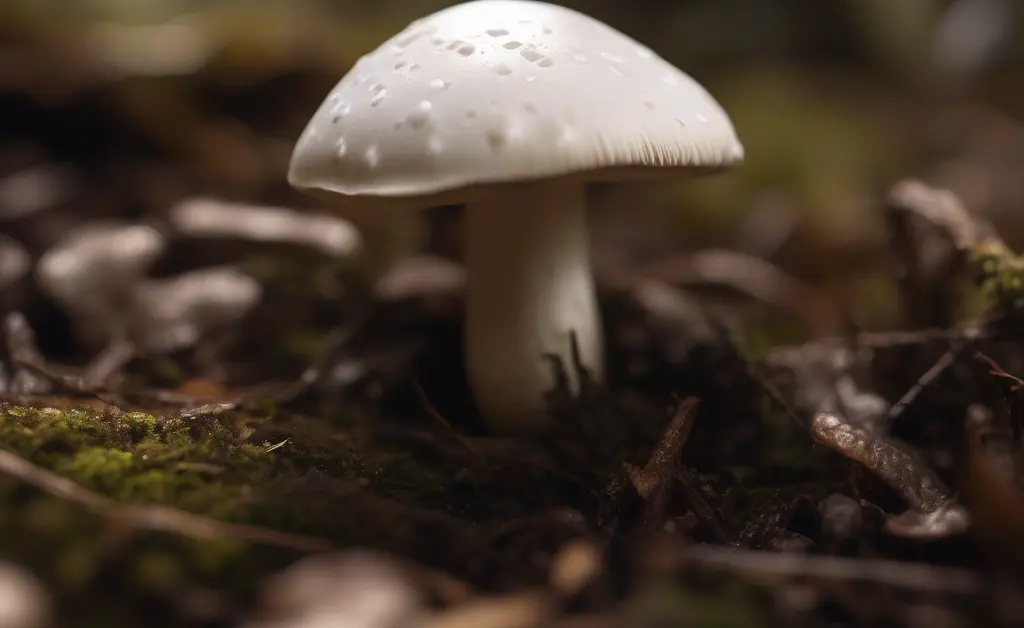
While many puffball mushrooms are edible, there are crucial safety considerations regarding poisonous look-alikes. Are there poisonous puffballs? Indeed, the most significant danger lies in mistaking a young, unexpanded death cap (Amanita phalloides) or destroying angel (Amanita bisporigera/virosa) for a puffball. These highly toxic species, when young, can appear as a small, white, egg-like structure, similar in appearance to an immature puffball. What can be mistaken for a puffball mushroom? Beyond the Amanita “eggs,” other toxic fungi or even young earthballs (Scleroderma species), which have a purplish-black interior and a tougher outer skin, can be confused with true puffballs. The Dangers of Misidentifying Puffball Mushrooms are severe, as consuming toxic varieties can lead to liver failure, kidney damage, and other life-threatening conditions. Understanding the Consequences of Eating Poisonous Mushrooms underscores the absolute necessity of positive identification and adhering strictly to identification guidelines, especially checking for any internal gill development. For information on mushroom safety, refer to CDC.
Edibility of Colorado Puffball Mushrooms
When properly identified, many puffball mushroom Colorado varieties can be a delightful culinary addition. To ensure safety, it’s essential to understand “How can you tell if a puffball mushroom is edible?” The golden rule is to always cut the puffball open from top to bottom. If the inside is anything other than pure white, solid, and homogeneous, it should not be consumed. Any visible gills or a yellow, green, or purplish tint indicate it’s either not a true puffball, is too old, or is a dangerous look-alike. Important Safety Precautions also include harvesting only young, firm specimens and cooking them thoroughly. “Is the giant puffball mushroom edible raw?” While some might claim to eat certain mushrooms raw, it is generally advised to cook all wild mushrooms, including puffballs, to break down compounds that can cause digestive upset and to eliminate potential contaminants. For those interested in culinary applications, exploring a “Puffball Mushroom Colorado Recipe” can lead to many delicious dishes, leveraging their mild, earthy flavor and absorbent texture.
Foraging for puffball mushrooms in Colorado can be a rewarding experience, offering both the thrill of discovery and the pleasure of unique culinary delights. By understanding the common species, focusing on meticulous identification techniques, and respecting the diverse habitats these fungi call home, enthusiasts can safely and responsibly enjoy the bounty of Colorado’s natural world. Always prioritize safety and, when in doubt, refrain from consumption, ensuring that every foraging adventure remains a positive and healthy exploration.
Readers should understand that this article does not offer medical diagnosis or treatment. The information provided is for general educational and informational purposes only, and does not constitute professional advice. Foraging for wild mushrooms carries inherent risks, and accurate identification is crucial for safety. It is strongly recommended to consult with an expert or join local mycological societies for hands-on guidance before consuming any wild mushroom.
FAQ
What do puffball mushrooms look like in Colorado?
Puffball mushrooms in Colorado are typically round or pear-shaped, varying in size from small to quite large. Their outer skin is smooth or slightly textured, and they lack distinct gills or stems. When mature, they release powdery spores when disturbed, hence their common name.
Are puffball mushrooms found in Colorado?
Yes, various species of puffball mushrooms are indeed found in Colorado. They often grow in diverse habitats across the state, including grasslands, forests, and even disturbed areas. Their presence is dependent on suitable moisture and temperature conditions.
What is the most common puffball mushroom in Colorado?
One of the most commonly encountered puffball mushrooms in Colorado is the Giant Puffball (Calvatia gigantea). This species is notable for its impressive size, often growing to be as large as a soccer ball or even bigger. Its uniform white appearance when young makes it quite recognizable.
How to identify a puffball mushroom in Colorado?
Identifying a puffball mushroom in Colorado involves looking for its characteristic shape, which is typically spherical or slightly flattened. A key identification feature is the internal structure: young puffballs have a solid, homogenous white interior, while older ones contain powdery spores. The absence of a visible stem and gills is also a defining trait.
Continue reading
You May Also Like
A Forager's Guide to Colorado's Edible Mushrooms
Our expert guide helps you safely identify common edible mushrooms Colorado offers, with clear tips on when and where to start foraging.

A Forager's Guide to the Giant Puffball Mushroom
A practical guide to safely identify the edible giant puffball mushroom, from its key features to the dangerous look-alikes you must avoid.
A Forager's Guide to Puffball Mushrooms
This guide provides key identification features for the puffball mushroom, detailing its culinary uses and how to avoid dangerous look-alikes.