
Identifying European Puffball Mushrooms
Foraging for wild edibles, especially mushrooms, has seen a resurgence as people reconnect with nature and seek fresh, sustainable ingredients. This growing interest in discovering local food sources often leads enthusiasts to explore the diverse fungal kingdom. Among the many varieties, the distinct appearance of puffball mushrooms makes them particularly intriguing for both novice and experienced foragers. Understanding the characteristics and identification of the puffball mushroom europe is essential for safe and successful foraging, ensuring that only edible species are collected. This guide aims to provide comprehensive insights into recognizing these unique fungi, distinguishing edible types from potentially harmful look-alikes, and understanding their preferred habitats across the European landscape. It’s an adventure into sustainable eating and nature appreciation, one delicious mushroom at a time.
Identifying Puffball Mushrooms in Europe
Puffball mushrooms are fascinating fungi, easily recognizable by their typically round or pear-shaped appearance and absence of gills. For those interested in foraging within the continent, understanding the specific types of puffball mushroom europe is key. These unique fungi release their spores from a central pore or by the breaking down of their outer skin, distinguishing them from gilled mushrooms.
Common European Puffball Species
Europe hosts a variety of puffball species, each with its own nuances, though they share common characteristics that define them as puffballs. The most famous is perhaps the Giant Puffball (Calvatia gigantea), which can grow to immense sizes, sometimes exceeding a foot in diameter. It typically has a smooth, white exterior. Another common type is the Common Puffball (Lycoperdon perlatum), often smaller and covered in small warts or spines that rub off easily, leaving a net-like pattern. The Pear-shaped Puffball (Apioperdon pyriforme) is unique for its preference to grow on decaying wood, often in clusters, and its slightly pointed base. These species represent just a few examples of the diverse puffball mushroom populations found across the European landscape.
Puffball Mushroom Identification
Accurate identification is paramount for safe foraging. When identifying puffball mushrooms, several factors come into play. Size and shape variations are often the first indicators; while many are spherical, others can be pear-shaped or even brain-like. Color and texture clues are also crucial; most edible puffballs start with a pure white, firm flesh. The exterior can range from smooth to warty. A critical step in identifying a true puffball from potential look-alikes is to slice it open from top to bottom. Edible puffballs will have solid, uniformly white flesh, similar to a marshmallow or tofu. If the interior shows any signs of gills, dark coloration, or a developing cap-and-stem structure, it is not a true puffball and should not be consumed. This internal examination helps distinguish them from immature, potentially poisonous gilled mushrooms.
Edible vs. Poisonous Puffballs in Europe
Distinguishing between edible and potentially poisonous fungi is the most crucial aspect of mushroom foraging, especially when it comes to the puffball mushroom europe. While many puffballs are considered choice edibles, several dangerous look-alikes can pose serious health risks. It is vital to understand the distinguishing features that separate the safe from the unsafe.
What can be mistaken for a puffball mushroom? Immature specimens of highly toxic gilled mushrooms, such as Death Caps (Amanita phalloides) or Destroying Angels (Amanita virosa), can appear as small, button-like structures encased in a universal veil, closely resembling small puffballs. The key to distinguishing puffballs from these look-alikes lies in the internal examination. As mentioned, an edible puffball will have solid, unblemished white flesh inside. Any hint of gills, a developing cap, or stem, or discoloration like yellow, green, or purple, means it is not a safe puffball and must be discarded. The golden rule for any mushroom forager is unequivocal: When in doubt, throw it out. Never consume a mushroom unless you are 100% certain of its identification.
Characteristics of edible puffballs include a firm, white, homogeneous interior and often a soft, spongy texture. Warning signs of poisonous puffballs or their dangerous look-alikes include internal discoloration, the presence of any structured internal parts (like gills or a cap), or a tough, leathery texture. Misidentification dangers are severe, potentially leading to gastrointestinal distress, organ damage, or even death. Therefore, safety first: proper identification for consumption is not merely a recommendation but a strict requirement for anyone considering foraging for these fungi. For reliable health information, consult resources like the NIH.
Habitat and Growth Patterns of Puffball Mushrooms in Europe
Understanding where and how puffball mushrooms grow can significantly improve foraging success and help identify the different types of puffball mushroom europe. These fungi are saprobic, meaning they obtain nutrients from decaying organic matter, playing an essential role in forest ecosystems.
Where to Find Puffballs in Europe
Puffballs can be found in a diverse range of environments across Europe. Many species, particularly the Giant Puffball, prefer open woodlands, meadows, and grassy areas, including lawns and pastures. These terrestrial puffballs often grow directly on the soil. Other species, like the Pear-shaped Puffball, are arboreal or lignicolous, meaning they grow on decaying wood, such as logs, stumps, or fallen branches. They can sometimes be found in clusters, emerging from the bark of dead trees. The specific microclimate and soil composition can influence their presence, but generally, areas with ample organic debris and moisture are prime locations.
Puffballs undergo a typical fungal life cycle involving spore production and dispersal. They reproduce by releasing vast numbers of microscopic spores, often visible as a dusty cloud when a mature puffball is squeezed or stepped on. This is where the “puffball” name originates. Sometimes, puffballs can be found growing in characteristic “fairy rings,” where a mycelial network spreads outwards underground in a circular pattern, with fruiting bodies appearing at the perimeter. These growth formations are a delightful sight for foragers and indicate a healthy fungal presence.
Foraging for puffball mushrooms in Europe offers a unique connection to nature and a chance to enjoy delicious, wild edibles. With careful attention to identification, understanding their preferred habitats, and strict adherence to safety guidelines, enthusiasts can confidently explore the diverse world of these fascinating fungi. Always remember to double-check identification, use reliable field guides, and, when in doubt, consult with an experienced mycologist to ensure a safe and rewarding foraging experience.
The information presented in this article is educational and not meant as professional medical counsel. This content is intended for general knowledge and informational purposes only, and does not constitute medical advice, diagnosis, or treatment. Always consult with a qualified healthcare professional or a certified mycologist for any health concerns or before consuming wild fungi, as misidentification can lead to severe health risks.
FAQ
Are all puffball mushrooms edible in Europe?
Not all puffball mushrooms are edible, and some can be mistaken for poisonous look-alikes, especially when young. It is crucial to have positive identification before considering any mushroom for consumption. Proper identification ensures safety, as some species are not suitable for eating.
What do puffball mushrooms look like in Europe?
Puffball mushrooms in Europe vary in size and shape, but they are typically round or pear-shaped. They lack the distinct cap and stem characteristic of many other mushrooms, and their internal flesh is usually white and solid when immature. As they mature, the interior turns into a powdery spore mass, which is released through a pore or by the puffball rupturing.
Where do puffball mushrooms grow in Europe?
Puffball mushrooms can be found in a variety of European habitats, often in grasslands, meadows, and open woodlands. They also thrive in lawns, fields, and sometimes even along the edges of forests. Their preferred environments often have good soil and adequate moisture.
What are the different types of puffball mushrooms found in Europe?
Europe hosts several types of puffball mushrooms, including the common puffball (*Apioperdon pyriforme*), which is small and often grows in clusters. Larger species like the giant puffball (*Calvatia gigantea*) are also present, though less common. Other varieties may include the mosaic puffball (*Lycoperdon caelatum*) and various smaller species within the *Lycoperdon* and *Apioperdon* genera.
How can you tell if a puffball mushroom is poisonous?
A key indicator for distinguishing edible puffballs from potentially harmful ones is the internal structure when sliced open. Edible puffballs have firm, uniformly white flesh throughout, with no developing gills or distinct cap shapes visible. If the flesh shows any signs of discoloration, or if you can discern a shape resembling a mushroom cap and stem inside, it is not a puffball and should not be consumed.
Can I eat a giant puffball mushroom?
Giant puffball mushrooms are generally considered edible when they are young and firm. At this stage, their internal flesh should be uniformly white and spongy, without any signs of developing gills or a distinct mushroom shape. As they mature, the flesh can become yellowish, then olive-brown, and eventually filled with powdery spores, making them unpalatable and potentially causing digestive upset.
Is a puffball mushroom poisonous?
When a puffball mushroom is young and its flesh is uniformly white and solid, it is not considered poisonous. However, as it matures, the internal structure changes to a spore mass, making it unpalatable. Some species that are not puffballs, but may resemble them when very young, can be poisonous, so accurate identification is essential.
Continue reading
You May Also Like
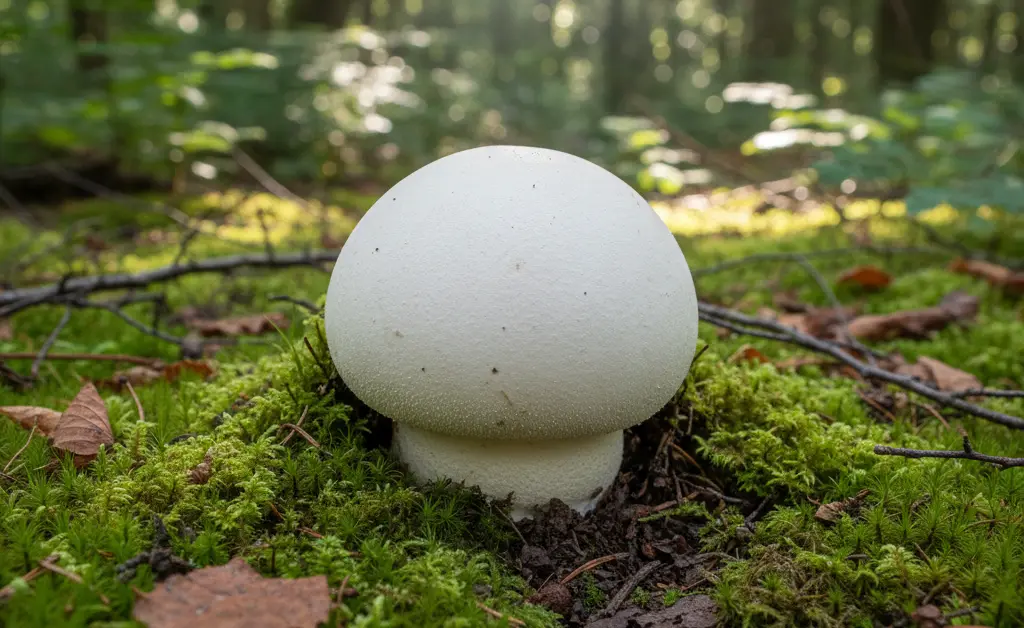
Safely Identifying Puffball Mushrooms in Arkansas
Our guide helps you safely identify the puffball mushroom Arkansas has to offer, detailing key features to confidently avoid toxic look-alikes.
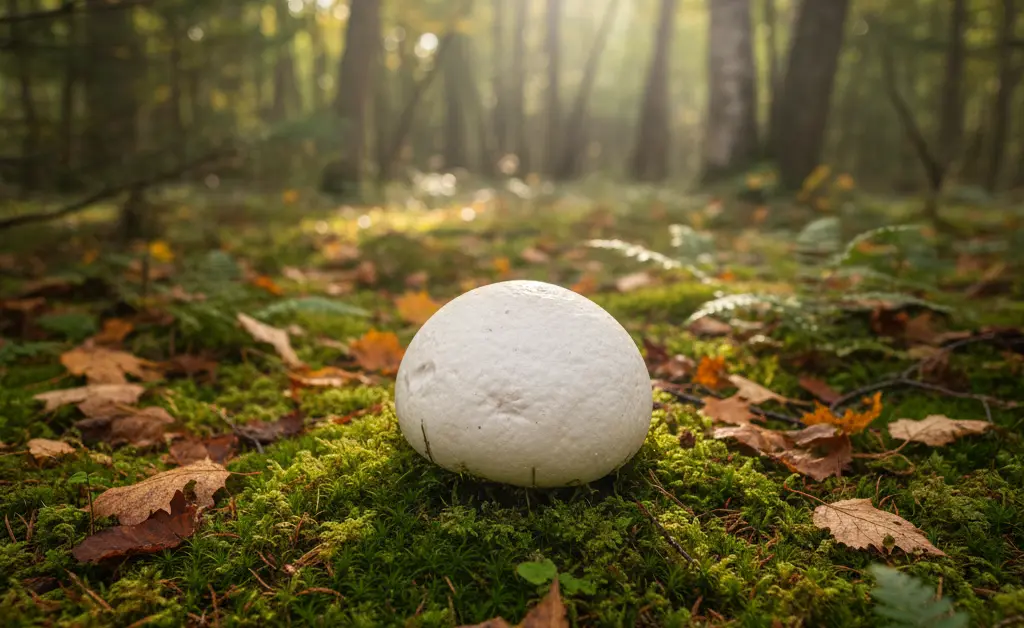
Identifying Puffball Mushrooms Across Canada
Get clear identification details for the puffball mushroom Canada offers, from common types to giant varieties and their typical habitats.
Identifying Edible Puffball Mushrooms in Maryland
This guide details how to identify the edible puffball mushroom Maryland, covering key characteristics and the best times for safe foraging.