
A Forager’s Guide to Puffball Mushrooms in Illinois
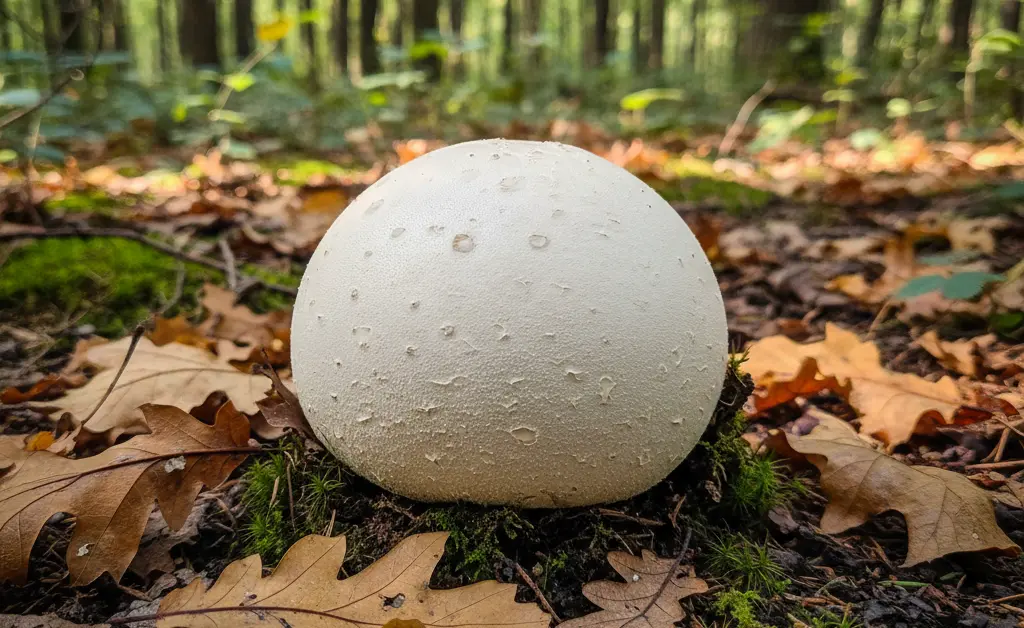
A clear benefit of understanding puffball mushrooms is the ability to safely and sustainably forage for a unique and delicious food source. This guide provides essential information for enthusiasts and beginners alike. Illinois offers a rich environment for various fungi, and identifying edible species is key to a successful foraging experience. Knowing the specific characteristics, habitats, and seasons for these fascinating fungi can unlock a rewarding outdoor activity. This comprehensive resource aims to equip you with the knowledge to confidently identify, locate, and safely enjoy the puffball mushroom Illinois has to offer, ensuring a safe and enjoyable foraging adventure while avoiding look-alikes.
Puffball Mushroom Identification in Illinois
Accurate identification is paramount for any foraging activity, especially when it comes to fungi. When seeking out the puffball mushroom Illinois has in abundance, foragers should familiarize themselves with the general characteristics that distinguish puffballs from other fungi. Most puffballs are recognized by their spherical or pear-shaped fruiting bodies, lacking a distinct cap and stem in the traditional sense, though some may have a sterile base. Their surface can range from smooth to warty or spiny, and their color often varies from white to off-white or light brown. The interior flesh is a critical identification feature, which must be pure white and uniform throughout for edibility, signifying a young, healthy specimen.
Common Puffball Mushroom Species in Illinois
Illinois is home to several types of puffball mushrooms, each with unique features. Understanding these common species can enhance your foraging success and ensure you are identifying your finds correctly.
Giant Puffballs (Calvatia gigantea)
The Giant Puffball is perhaps the most sought-after puffball species, known for its impressive size. These massive fungi can grow to be as large as a soccer ball or even bigger, sometimes weighing several pounds. They typically have a smooth, white to off-white exterior and a soft, uniform texture. Giant puffballs grow directly on the ground in grassy areas, fields, and open woodlands. Their sheer size makes them relatively easy to spot and identify, provided the interior is checked for edibility.
Common Puffballs (Apioperdon pyriforme)
Also known as Pear-shaped Puffballs, these are often found growing in clusters on decaying wood or wood debris. They are typically smaller than Giant Puffballs, usually pear-shaped, and can range in color from white to light brown. Their surface is usually smooth or slightly granular. While often overlooked due to their smaller size, they are a delicious edible species when young and firm, exhibiting the characteristic white interior. Learn more about puffball mushroom foraging.
Gem-studded Puffballs (Apioperdon gemmatum)
Gem-studded Puffballs are identifiable by their distinctive spiny or “gem-studded” outer surface. These spines are often conical and can be easily rubbed off, leaving behind a net-like pattern. They are typically smaller, white to grayish-brown, and pear-shaped, often growing in woodlands on the ground or on decaying wood. Like all puffballs, their edibility depends on the pure white, uniform interior flesh.
Where and When to Find Puffball Mushrooms in Illinois
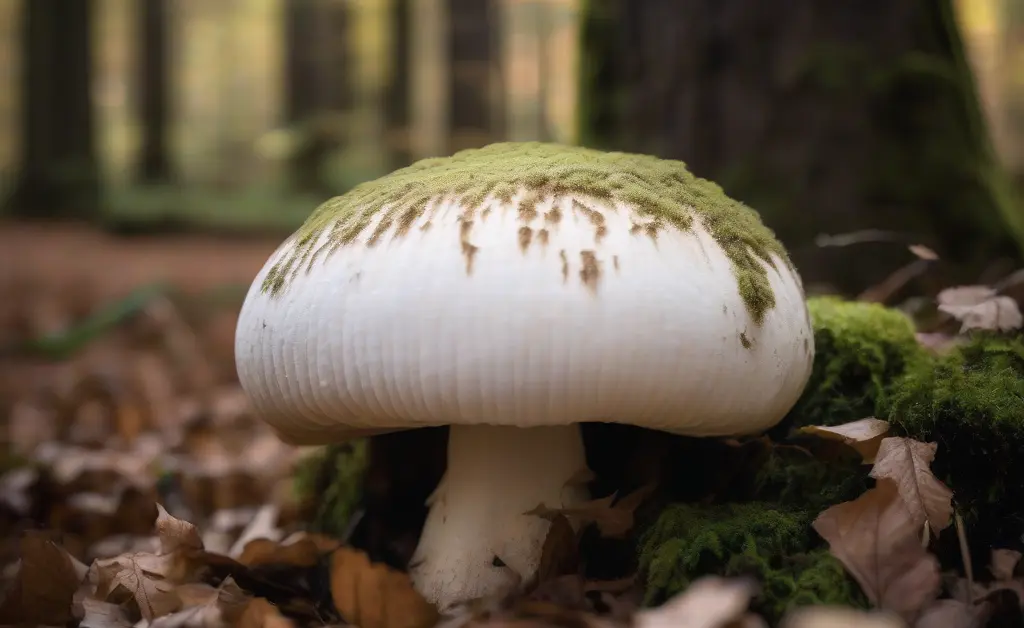
Understanding the preferred habitats and optimal seasons is key to successfully locating the puffball mushroom Illinois has to offer. Puffballs can be found in a variety of environments, from manicured lawns to dense forests, depending on the specific species.
Summer Months
While some puffball species can appear earlier, the late summer months mark the beginning of a more abundant season for many. During this time, after periods of adequate rainfall and warm temperatures, puffballs emerge in various locations. Woodlands and forests are prime spots for Common Puffballs and Gem-studded Puffballs, often found growing on decaying logs or wood chip beds. Open fields and meadows, as well as suburban lawns and gardens, are common hunting grounds for Giant Puffballs, which prefer to grow in disturbed soils rich in organic matter.
Early Fall Harvest
The early fall is often considered the peak season for foraging puffball mushrooms in Illinois. The cooler temperatures combined with consistent moisture levels create ideal conditions for many fungi, including a diverse range of puffball species. Foragers should pay close attention to areas that have experienced recent rainfall, as mushrooms tend to fruit vigorously after such events. Continuing to check woodlands, fields, and even urban green spaces during this period can yield bountiful results.
Edibility and Recipes for Illinois Puffballs
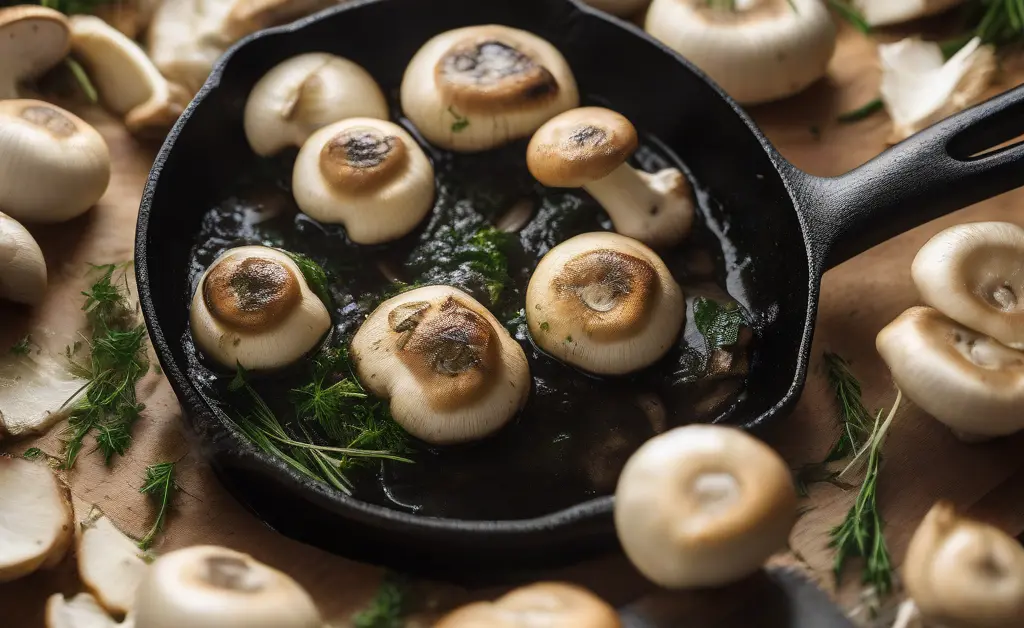
Puffball mushrooms are highly regarded for their mild flavor and firm texture, making them a versatile ingredient in many dishes. When preparing the puffball mushroom Illinois provides, ensure proper identification for safety. Their subtle taste makes them an excellent canvas for various culinary creations. They can be sliced and fried like cutlets, added to stir-fries, incorporated into soups, or used as a meat substitute in vegetarian dishes. Many enthusiasts enjoy them simply sautéed with butter, garlic, and herbs to highlight their natural flavor. It’s generally recommended to consume puffballs when they are fresh and firm.
Key Characteristics of Edible Puffballs
The most crucial characteristic for determining the edibility of a puffball is the appearance of its internal flesh. For a puffball to be considered edible, when cut open, its interior must be completely uniform, pure white, and solid. Any discoloration, such as yellowing, browning, or greenish tints, indicates that the mushroom is past its prime or is potentially a toxic look-alike and should not be consumed. Furthermore, if there is any evidence of gills or a developing mushroom shape inside, it is not a true puffball and must be discarded immediately due to the risk of it being a young, poisonous Amanita. For general mushroom safety, consult the NHS.
Puffball Mushroom Safety Concerns and Identification
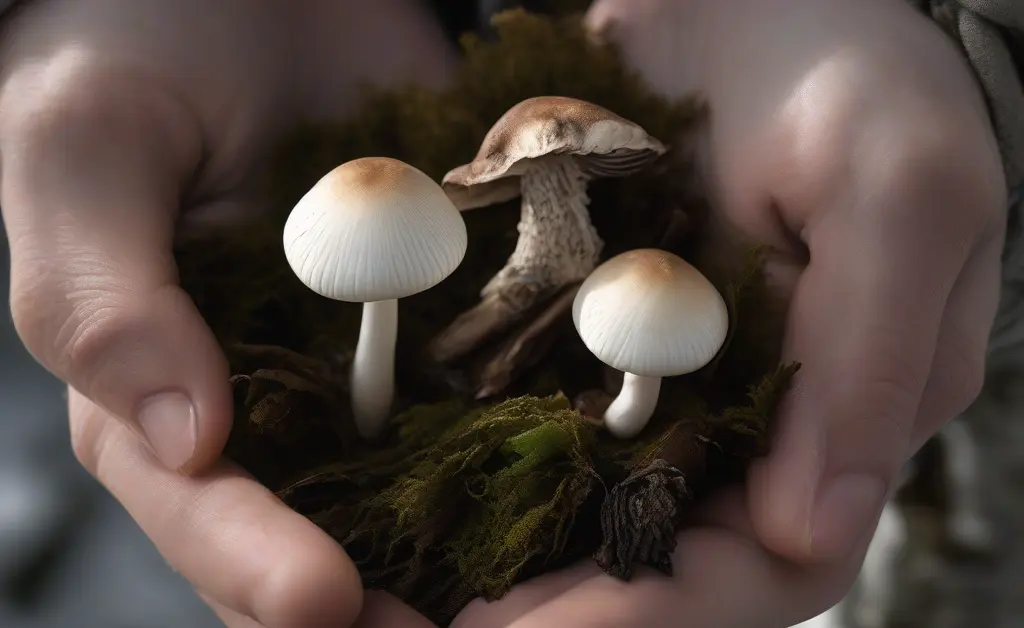
Foraging for any wild mushroom, including puffballs, requires diligence and a thorough understanding of identification to ensure safety. The potential for encountering toxic look-alikes makes proper identification an absolute necessity. Never consume a mushroom unless you are 100% certain of its identification. When in doubt, it is always best to discard the specimen. The importance of proper identification cannot be overstated.
Identifying Edible vs. Toxic Puffballs
The primary concern when foraging for puffballs is distinguishing them from young, button-stage toxic Amanitas and certain types of Earthballs. Potential look-alikes and how to differentiate them are crucial for safe foraging. Young Amanitas, such as the Death Cap or Destroying Angel, can appear as small, round, white objects before their cap and gills develop. If you slice open a puffball and observe any internal structures resembling a cap, gills, or a stem forming within the white flesh, it is a sign of a developing Amanita and is highly toxic. These must be discarded immediately. Earthballs (Scleroderma species) are another common look-alike. While superficially similar, Earthballs typically have a much tougher, leathery skin, and when cut open, their interior will be dark purple to black, often with a marbled appearance, rather than the pure white flesh of an edible puffball. Always remember the mantra for edible puffballs: pure white, uniform, and solid inside, with no signs of developing gills or a stem. If any of these conditions are not met, do not consume the mushroom.
Foraging for puffball mushrooms in Illinois can be a rewarding experience, offering a delicious and unique food source. By understanding the common species, knowing where and when to look, and most importantly, adhering to strict identification protocols, you can safely enjoy this natural bounty. Always prioritize safety and if there is any uncertainty about an identification, err on the side of caution and do not consume the mushroom.
This material is shared for educational insight, not for clinical decision-making. Information about foraging and consuming wild mushrooms should be approached with extreme caution and is not a substitute for expert guidance or thorough personal research. Misidentification of mushrooms can lead to serious health consequences, and individuals are strongly advised to consult with a qualified mycologist or experienced local forager before consuming any wild fungi. The content provided does not offer medical advice, diagnoses, or prescriptions.
FAQ
Are puffball mushrooms native to Illinois?
Yes, several species of puffball mushrooms are native to Illinois. These fungi are widespread across North America and thrive in various habitats found within the state. Their presence contributes to the diverse fungal ecosystem of Illinois.
Can you eat puffball mushrooms found in Illinois?
Certain puffball mushrooms are edible, but identification is critical to avoid consuming toxic species. Only immature puffballs with solid white interiors are considered safe and palatable. Any puffball with a developed spore mass or discoloration should not be eaten.
What do puffball mushrooms look like in Illinois?
Puffball mushrooms typically appear as round or pear-shaped structures with no visible stem or cap. Their exterior can range in color from white to tan or brown, and their size varies greatly depending on the species. When mature, they release powdery spores when disturbed.
Where are the best places to find puffball mushrooms in Illinois?
Puffball mushrooms in Illinois are often found in grassy areas such as meadows, fields, and lawns, as well as in forests and on decaying wood. They generally prefer moist, shaded environments. Specific locations can vary based on the season and the particular species.
When to not eat a puffball mushroom?
You should not eat a puffball mushroom if it has a spongy or gelatinous interior, or if the flesh has any color other than pure white. The presence of gills or a distinct cap shape also indicates it is not a puffball and may be poisonous. Mature puffballs with brown or yellowish spore masses should also be avoided for consumption.
Is a puffball mushroom poisonous?
While many puffball mushrooms are edible, some resemble poisonous mushrooms in their early stages, making correct identification paramount. A critical sign of an edible puffball is a solid white interior without any internal structure or color change. If a mushroom has developed gills, a cap, or a stem, it is not a puffball and should be treated with extreme caution.
Continue reading
You May Also Like
A Forager's Guide to Edible Illinois Mushrooms
This guide helps you safely forage for edible mushrooms in Illinois by covering key identification features and essential safety practices.

A Forager's Guide to the Giant Puffball Mushroom
A practical guide to safely identify the edible giant puffball mushroom, from its key features to the dangerous look-alikes you must avoid.
A Forager's Guide to Puffball Mushrooms
This guide provides key identification features for the puffball mushroom, detailing its culinary uses and how to avoid dangerous look-alikes.