
A Forager’s Guide to Kansas Puffball Mushrooms
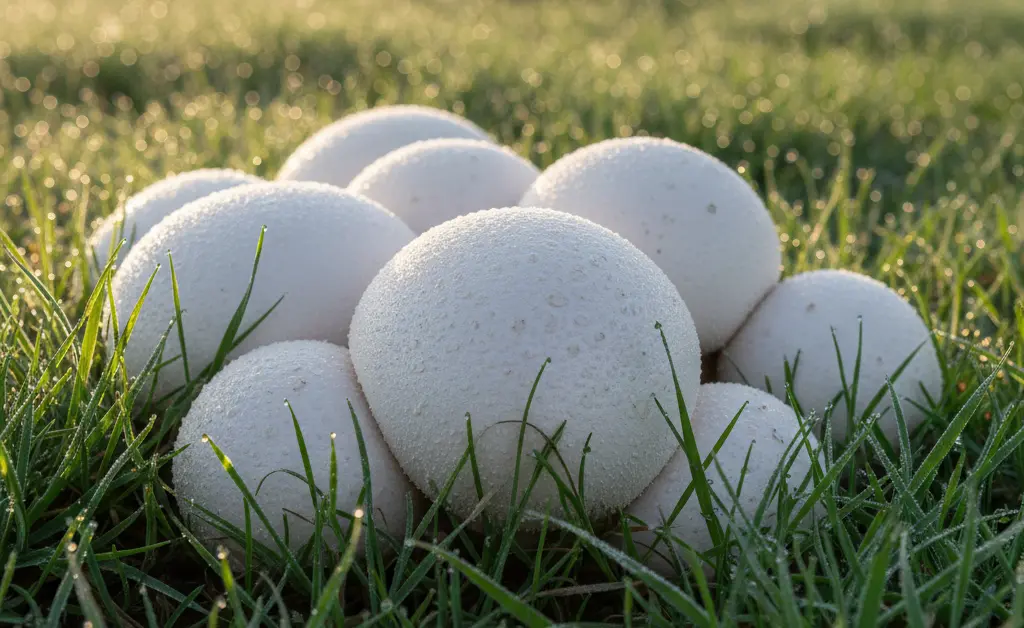
Have you ever wondered about those strange, white, ball-shaped fungi that sometimes appear almost overnight in fields or forests? These intriguing growths are puffball mushrooms, and they can be a delightful and often abundant find for foragers across various landscapes. This guide aims to demystify these fascinating fungi, focusing specifically on the puffball mushroom Kansas offers to enthusiasts and beginners alike. We will explore their various types, crucial identification tips to distinguish edible varieties from non-edible look-alikes, and delve into the best places and seasons to search for them. Understanding how to properly harvest and prepare these unique culinary delights is also a key component for a successful and safe foraging experience, ensuring both enjoyment and responsible practices.
Types of Puffball Mushrooms in Kansas
Puffball mushrooms are a fascinating group within the fungal kingdom, characterized by their round or pear-shaped fruiting bodies that release spores in a cloud, much like a “puff,” when mature or disturbed. In Kansas, foragers can encounter several types, ranging in size from small, golf-ball-sized specimens to truly massive finds. Understanding the general characteristics of these fungi is the first step in successful identification. For more information on puffball mushrooms, you can refer to puffball mushroom resources.
One of the most sought-after varieties is the Giant Puffball, scientifically known as Calvatia gigantea. As its name suggests, this species can grow to impressive sizes, sometimes reaching diameters of 10 to 50 centimeters or more, weighing several kilograms. Its exterior is typically smooth and white, maturing to an off-white or yellowish hue. When young and edible, the interior is uniformly pure white and has a firm, marshmallow-like texture.
Beyond the giant variety, various common puffballs (belonging to genera like Lycoperdon, Calvatia, and Bovista) are frequently found. These smaller puffballs typically range from a few centimeters to a hand-sized diameter. Many feature a slightly textured or warted outer surface. Regardless of size, the crucial defining feature for edibility among these common puffballs in Kansas is a solid, uniformly white interior when sliced open. This ensures you’ve found a genuine puffball mushroom Kansas offers for culinary exploration.
Identifying Puffball Mushrooms in Kansas
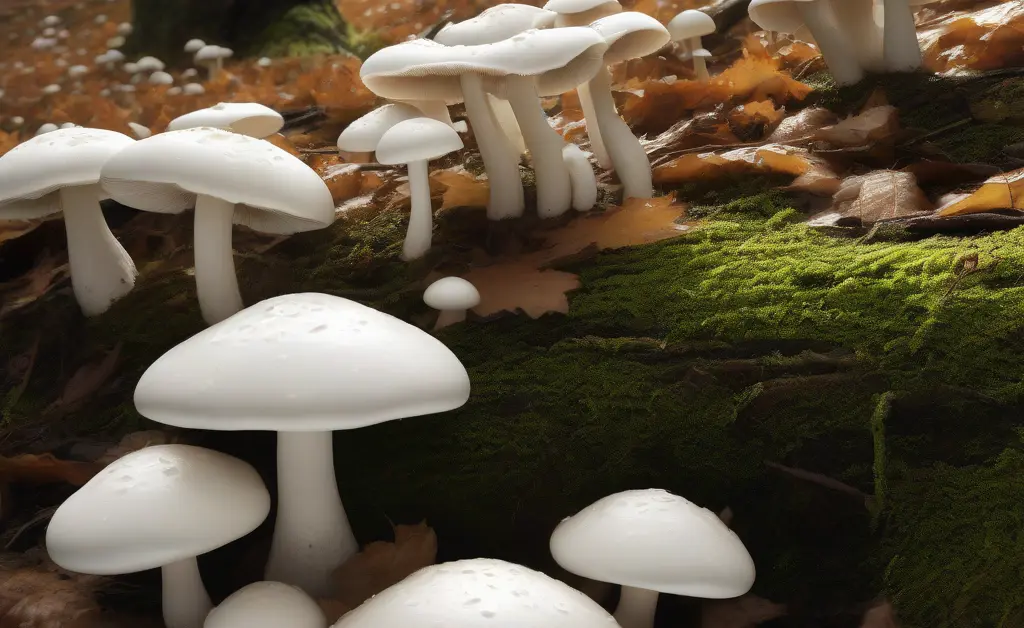
Accurate identification is paramount when foraging for any wild mushroom, and puffballs are no exception. While many puffball varieties are considered choice edibles, there are dangerous look-alikes that make careful scrutiny essential. Key identification features include their spherical or pear shape, the absence of a stem (or a very rudimentary one), and critically, a solid, pure white interior flesh when young. This internal consistency is often described as resembling a marshmallow or fresh mozzarella cheese.
A crucial step in identifying a puffball mushroom Kansas foragers can safely consume is to slice every specimen open from top to bottom. This reveals the interior, which must be uniformly white, firm, and homogenous. Any discoloration, yellowing, or browning, or the presence of developing gill structures (even faint ones), means the mushroom should be discarded. These internal characteristics are vital for distinguishing edible varieties from potentially poisonous look-alikes, particularly the “egg” stage of certain highly toxic mushrooms, like some species of Amanita. For detailed information on mushroom safety and identification, resources from the National Institutes of Health (NIH) are invaluable.
Warning signs of poisonous varieties include any sign of gills, a cap and stem structure, or a discolored interior. The presence of a “universal veil” that might form a cup-like structure at the base of the stem (even if the stem is just beginning to form) is another critical indicator of a dangerous mushroom that is not a true puffball. The importance of proper identification cannot be overstated; when in doubt, it is always best to err on the side of caution and avoid consumption.
Where to Find Puffball Mushrooms in Kansas
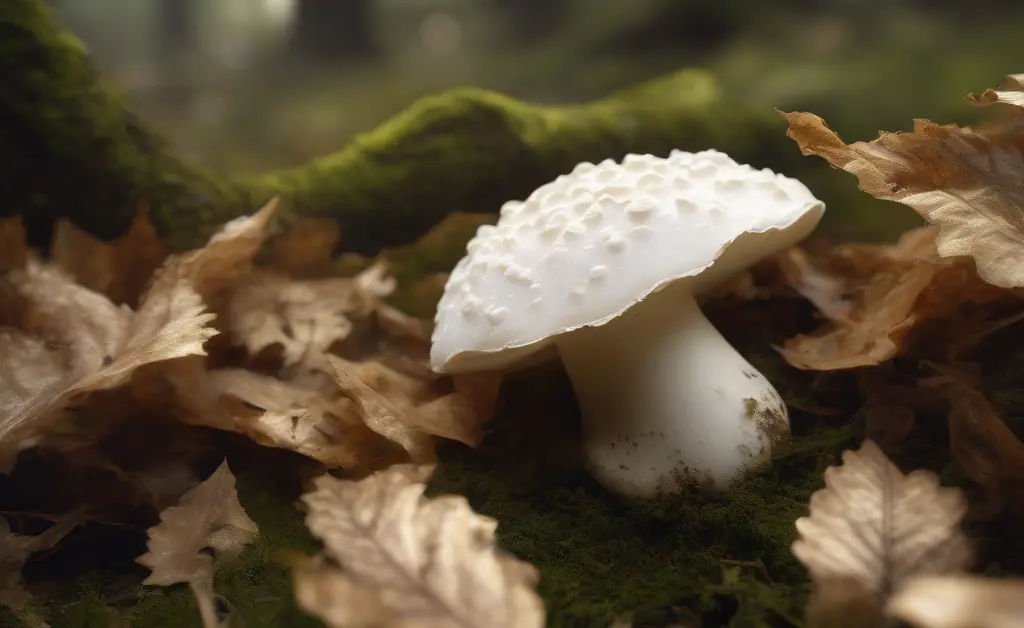
Locating puffball mushrooms in Kansas often depends on understanding their preferred habitats and the ideal growing conditions. These fungi generally thrive in environments with decaying organic matter and sufficient moisture, making certain areas more productive than others. They are saprobic, meaning they obtain nutrients from dead organic material, which guides where they might appear.
Ideal growing conditions for puffballs include moderate temperatures and moist soil, often after periods of rain. While they do not grow on trees, they can be found in proximity to them, benefiting from the rich organic matter found in wooded areas. Look for them appearing directly from the ground.
Common Kansas Locations (Lawns, Forests, Fields)
Puffball mushrooms in Kansas can be surprisingly versatile in their preferred growing locations. They are frequently found in disturbed areas, such as lawns and pastures, especially those that are well-irrigated or receive regular rainfall. In these open spaces, they can sometimes appear in large numbers, making foraging quite rewarding.
Forests and woodlands are also prime hunting grounds. Seek them out in clearings, along forest edges, or within the leaf litter of deciduous forests. The rich, humus-filled soil and partial shade of these environments provide excellent conditions. Fields, especially those with undisturbed soil or areas recently mowed, can also yield abundant puffball crops. Agricultural fields, particularly those left fallow, or simply open grassy areas are worth exploring for these spherical fungi. Identifying these common puffball mushroom Kansas habitats significantly increases your chances of a successful forage.
When to Find Puffball Mushrooms in Kansas
Understanding the seasonal availability of puffball mushrooms is key to a productive foraging season in Kansas. While exact timing can vary year to year based on weather patterns, there are general periods when these fungi are most likely to appear. Puffballs typically prefer cooler, moist conditions, making late spring through early fall the most common time for their emergence.
Seasonal availability often begins after spring rains have saturated the soil and temperatures have risen but are not yet at their summer peak. As summer progresses, especially during periods of consistent rainfall, puffballs can continue to fruit. However, the peak growing periods often occur in late summer and early autumn. During these months, the combination of warm days and cooler nights, coupled with increased moisture, creates an optimal environment for many fungal species, including the puffball mushroom Kansas foragers seek. Always check local weather conditions and recent rainfall amounts, as these are strong indicators of when puffballs might be fruiting in your area.
Edible vs. Poisonous Puffball Mushrooms
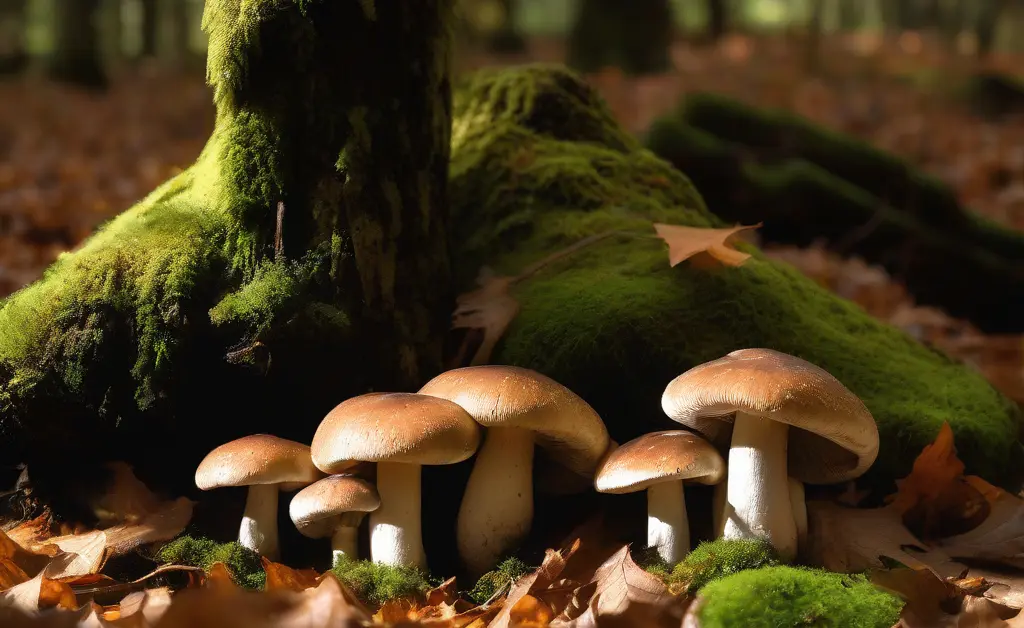
The distinction between edible and poisonous mushrooms is crucial for any forager, and with puffballs, this revolves entirely around correct identification. While many puffball species are considered safe and delicious, others can cause gastrointestinal upset, and most critically, some young, toxic mushrooms can be mistaken for puffballs.
To confirm edibility, every puffball mushroom Kansas foragers intend to consume must be sliced in half. The interior flesh must be uniformly pure white, firm, and entirely free of any gill structures, color changes (yellowing, browning, purpling), or insect damage. If any of these conditions are not met, the mushroom should be discarded immediately. The presence of even nascent gills indicates a developing mushroom that is not a true puffball and could be a highly poisonous Amanita species, whose “egg” stage can superficially resemble a puffball.
Warning signs of poisonous varieties are primarily internal. A puffball should never have a discernible stem and cap structure, nor any hint of developing gills inside. If there’s any sign of a mushroom shape beginning to form, or if the interior is anything but solid white, it is not safe to eat. Misidentification dangers are severe, as consuming a toxic mushroom can lead to serious illness or worse. It is often recommended to verify identification with multiple reliable sources and never consume a mushroom if there is any uncertainty. Remember, a common mistake to avoid when foraging puffballs is neglecting the crucial internal inspection.
How to Harvest and Prepare Puffball Mushrooms
Once you have confidently identified an edible puffball mushroom, proper harvesting and preparation techniques ensure both safety and culinary enjoyment. Harvesting correctly also helps promote the continued growth of these fungi in their natural habitats.
When harvesting, gently twist the puffball from its base or cut it cleanly at the soil line with a knife. This minimizes disturbance to the underlying mycelial network, which is responsible for future mushroom production. Avoid overharvesting a single patch; leave some specimens to mature and release spores. After harvesting, transport your puffballs carefully to prevent bruising. Foraging ethically and responsibly helps conserve fungal populations for future enjoyment.
Cleaning and preparation typically involve wiping off any dirt or debris with a dry cloth or soft brush. Avoid washing them under running water if possible, as they can absorb moisture and become soggy. Before cooking, slice each puffball, again verifying that the interior is uniformly white and firm. Any puffball showing signs of yellowing, browning, or insect tunnels should be discarded. Puffballs can be sliced into slabs or cubes and are highly versatile in the kitchen. They have a mild flavor and absorb the flavors of other ingredients well. They can be sautéed, fried, baked, or even added to soups and stews. Many enjoy them simply pan-fried in butter with a sprinkle of salt and pepper. Exploring various cooking methods and recipes can unlock the full culinary potential of the puffball mushroom Kansas has to offer.
Puffball mushrooms offer a unique foraging experience and a delightful culinary ingredient for those who take the time to learn proper identification and harvesting techniques. From the majestic Giant Puffball to the more common smaller varieties, these fungi add a distinct texture and flavor to meals. By following responsible foraging practices and prioritizing safety through careful identification, enthusiasts can enjoy the bounty that Kansas’s diverse landscapes provide. Always remember that certainty is key when foraging; when in doubt, it’s best to simply observe and appreciate these fascinating natural wonders.
While this article discusses health-related topics, it does not provide medical guidance. This information is intended for educational and informational purposes only, and should not be considered a substitute for professional advice. Always consult with a qualified expert before making any decisions related to your health or well-being. Foraging for wild mushrooms carries inherent risks, and accurate identification is crucial for safety. Always verify identification with multiple reliable sources and, if in doubt, discard the mushroom.
FAQ
Are puffball mushrooms found in Kansas?
Yes, various species of puffball mushrooms are indeed found growing in Kansas. These fungi are widespread and can be encountered in different habitats across the state.
What do puffball mushrooms look like in Kansas?
Puffball mushrooms in Kansas typically appear as round or oval-shaped structures with no distinct stem or cap. Their exterior is generally smooth or slightly textured, and they range in size from small to quite large depending on the species.
When do puffball mushrooms grow in Kansas?
The growing season for puffball mushrooms in Kansas is primarily during the warmer, wetter months. They are most commonly observed from late spring through summer and into early fall, with peak fruiting often following periods of rain.
Are Kansas puffball mushrooms edible?
Some puffball mushrooms native to Kansas are edible when young and entirely white inside. However, positive identification is crucial, as older specimens or those with colored interiors may not be safe for consumption and can be mistaken for toxic species.
How do you identify a puffball mushroom in Kansas?
Identifying a puffball mushroom in Kansas involves observing its characteristic shape, which lacks a stem and cap, and ensuring the interior is uniformly white and solid. Checking for any developing gills or a distinct mushroom shape within is also key to distinguishing them from other fungi.
Continue reading
You May Also Like
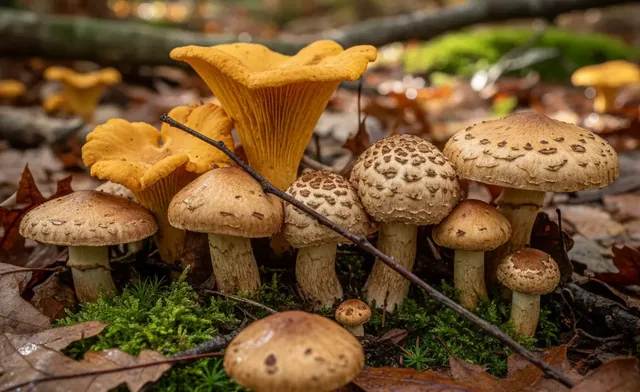
A Forager's Guide to Edible Mushrooms in Kansas
This guide covers the most common edible mushrooms kansas residents can find, detailing safe identification, foraging tips, and regulations.

A Forager's Guide to the Giant Puffball Mushroom
A practical guide to safely identify the edible giant puffball mushroom, from its key features to the dangerous look-alikes you must avoid.
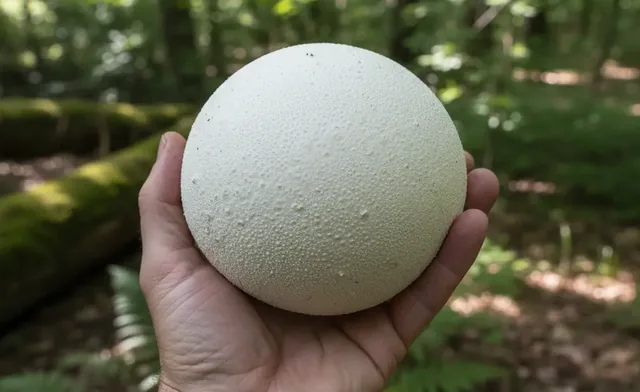
A Forager's Guide to Puffball Mushrooms
This guide provides key identification features for the puffball mushroom, detailing its culinary uses and how to avoid dangerous look-alikes.