
A Chef’s Guide to Enoki Mushroom Substitutes
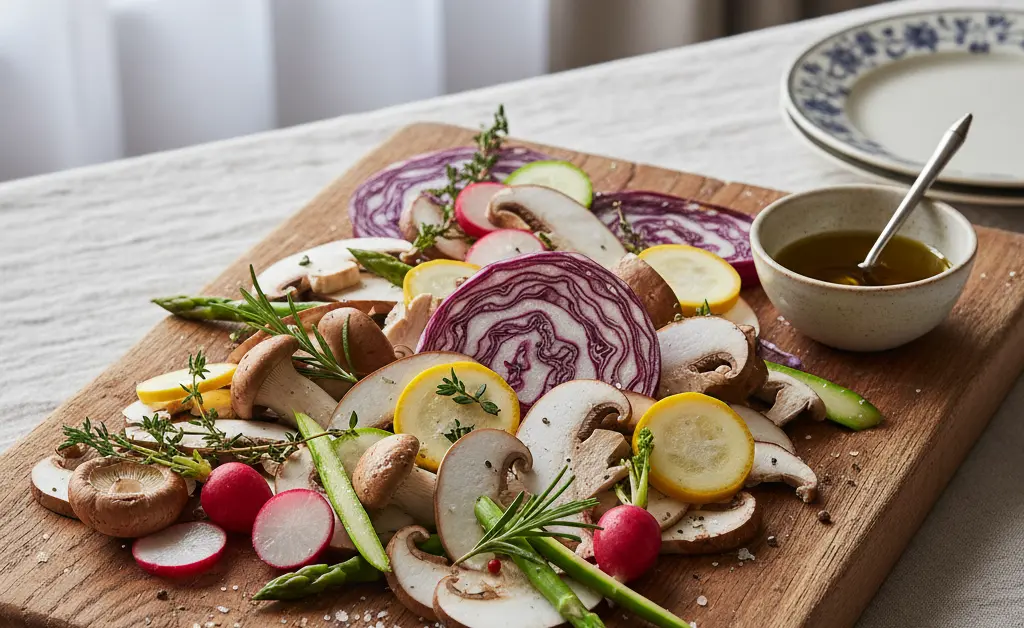
As culinary exploration deepens and home cooking embraces a wider array of global flavors, ingredients like enoki mushrooms have become popular staples for their delicate texture and mild, slightly fruity taste. These slender, crisp fungi are prized in numerous dishes, from brothy hot pots to vibrant stir-fries. However, whether due to availability constraints, a desire for textural variation, or specific dietary needs, chefs and home cooks often find themselves seeking suitable alternatives. This comprehensive guide provides expert recommendations for an enoki mushroom substitute, ensuring that the unique characteristics of your dishes are maintained or even enhanced. We delve into various options, categorizing them by their mushroom and non-mushroom origins, and considering their compatibility across different culinary applications.
Top Mushroom Alternatives for Enoki
When seeking a direct mushroom alternative, the goal is often to replicate the delicate texture and mild flavor of enoki mushrooms. Fortunately, several other mushroom varieties offer similar attributes or can be prepared to achieve a comparable effect, providing an excellent enoki mushroom substitute for many recipes.
Oyster Mushrooms (Pleurotus ostreatus)
Oyster mushrooms are a versatile choice, characterized by their fan-like caps and slightly chewy texture. When young and thinly sliced, their stems can offer a pleasant mouthfeel reminiscent of enoki. They possess a subtle, earthy flavor that won’t overpower other ingredients, making them a good match for delicate dishes. They are readily available and can be used in stir-fries, soups, and sautéed preparations.
Shimeji Mushrooms (Hypsizygus tessulatus)
Also known as beech mushrooms, shimeji mushrooms are often found in clusters, much like enoki. They have small, rounded caps and slender stems with a firm, slightly crunchy texture that holds up well during cooking. Their mild, nutty flavor makes them an excellent companion to a wide range of cuisines, especially in hot pots and noodle dishes where enoki is traditionally used. Both brown and white varieties are available, offering a similar visual appeal. To understand the distinct characteristics, one might compare enoki mushroom vs shimeji.
King Oyster Mushrooms (Pleurotus eryngii)
King oyster mushrooms stand out due to their thick, meaty stems and small caps. While their natural form doesn’t immediately resemble enoki, their stems can be thinly sliced lengthwise into strips. When cooked this way, they offer a firm, chewy texture that can mimic the substantial yet delicate feel of enoki in certain applications. They absorb flavors well and can be grilled, roasted, or sautéed, providing a hearty yet elegant enoki alternative.
Bunapi Mushrooms (Hypsizygus marmoreus)
Bunapi mushrooms are closely related to shimeji, often referred to as white beech mushrooms. They share many characteristics with enoki, including their slender stems and small caps, typically growing in tight clusters. Their texture is firm yet tender, and their flavor is mild and slightly sweet. They maintain their shape and integrity when cooked, making them an ideal choice for dishes where enoki’s visual and textural contribution is important, such as clear broths or salads. Another interesting comparison for mushroom enthusiasts is the distinct features of enoki mushroom vs seafood mushroom.
Non-Mushroom Options as Enoki Substitutes
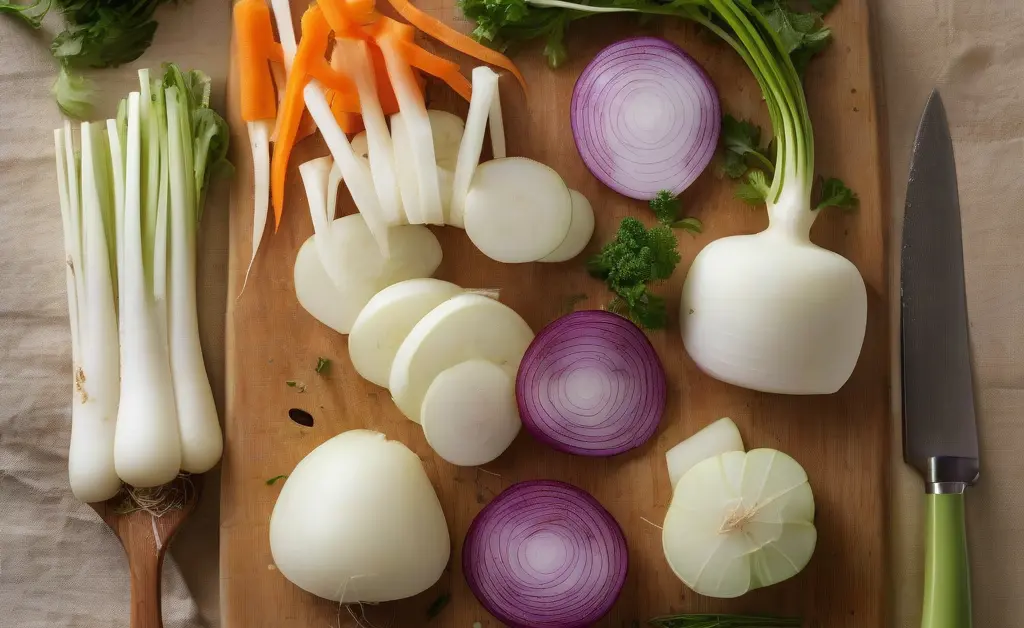
Sometimes, a mushroom-based replacement isn’t feasible or desired. In such cases, various non-mushroom ingredients can serve as an effective enoki mushroom substitute, often bringing a unique textural component to a dish. These options are particularly useful when addressing a dislike for enoki’s texture or flavor or overcoming availability challenges.
Mung Bean Sprouts for Crunch
Mung bean sprouts are perhaps one of the most common and accessible non-mushroom alternatives, especially when the primary goal is to replicate the crisp, watery crunch of enoki. Their long, slender appearance, particularly the white part of the sprout, can visually approximate enoki in stir-fries or as a garnish. They add a refreshing, mild flavor and are often used in similar Asian recipes, offering a good balance of texture and taste without overpowering the dish.
Thinly Sliced Tofu or Daikon for Texture
For a different approach to textural substitution, thinly sliced ingredients can be quite effective. Firm or extra-firm tofu, when cut into very thin strips or matchsticks, can provide a soft yet substantial chew that absorbs surrounding flavors beautifully. Similarly, daikon radish, when peeled and sliced into fine julienne strips, offers a crisp, refreshing bite with a slightly peppery note, which can be mellowed by blanching. Both options allow for creative preparation to achieve a desirable mouthfeel without the distinct characteristics of mushrooms, making them a versatile enoki alternative.
Key Considerations for Choosing the Best Enoki Alternative

Selecting the ideal enoki mushroom substitute involves more than just finding another ingredient. A thoughtful approach considers several factors to ensure the alternative enhances rather than detracts from the dish. Understanding these considerations can help chefs and home cooks make informed decisions for a successful culinary outcome. For comprehensive information on food safety and regulations, one can refer to guidelines provided by the FDA.
Matching Texture and Mouthfeel
Enoki mushrooms are celebrated for their unique slender form, slight crunch, and delicate chewiness. When choosing an alternative, prioritizing an ingredient that offers a similar mouthfeel is crucial. Some substitutes might mimic the crunch, while others might provide a more tender or chewy element. Consider how the texture will contribute to the overall experience of the dish, whether it’s a noodle soup needing some bite or a stir-fry requiring a delicate component.
Evaluating Flavor Profile Compatibility
Enoki mushrooms have a mild, slightly fruity, and umami-rich flavor that is generally subtle. The best enoki mushroom substitute will either have a similarly mild flavor that won’t compete with other ingredients or a complementary taste that enhances the dish. Strong-flavored alternatives might be best reserved for robust recipes, while delicate dishes will benefit from more neutral or subtly flavored options.
Considering Appearance in Dishes
The visual appeal of food is undeniable, and enoki mushrooms, with their long, slender, and often clustered appearance, contribute significantly to the aesthetic of many dishes. When selecting a substitute, consider how it will look in the final presentation. Options that can be cut into similar shapes or that naturally grow in delicate forms can help maintain the visual integrity of the original recipe.
Suitability for Specific Cooking Methods
Different ingredients react differently to heat and various cooking methods. Some substitutes might wilt too quickly in a hot soup, while others might become tough in a long braise. Think about the primary cooking method of your dish—whether it’s a quick stir-fry, a simmering broth, or a sauté—and choose an alternative that can withstand or thrive under those conditions. This ensures the substitute retains its desirable characteristics throughout the cooking process.
Enoki Mushroom Substitute for Asian Recipes
Asian cuisine frequently features enoki mushrooms in a variety of dishes, from hot pots to delicate noodle soups and stir-fries. Finding an appropriate enoki mushroom substitute that maintains the integrity of these traditional flavors and textures is key. Shimeji mushrooms and thinly sliced king oyster mushrooms are excellent choices due to their similar texture and ability to absorb savory broths without becoming mushy. Mung bean sprouts can also provide the essential crunch in stir-fries, especially when cooked quickly at the end, addressing the question of what kind of flavor and texture enoki mushrooms have and providing a good match.
Enoki Mushroom Substitute for Pasta Dishes
While enoki mushrooms are not traditionally found in pasta dishes, their delicate texture and ability to absorb sauces can make them a delightful addition. When seeking an enoki mushroom substitute for pasta, consider options that can similarly meld with the sauce and provide a pleasant bite. Thinly sliced shiitake mushrooms or cremini mushrooms, when sautéed, can offer a richer umami flavor and a satisfying texture. For a lighter touch, thinly shaved zucchini or asparagus spears can provide a subtle crispness and fresh flavor, integrating well into various pasta preparations. For those curious about how they differ, exploring the nuances of enoki mushroom vs shiitake provides further insight.
Enoki Mushroom Substitute for Low-Carb Diets
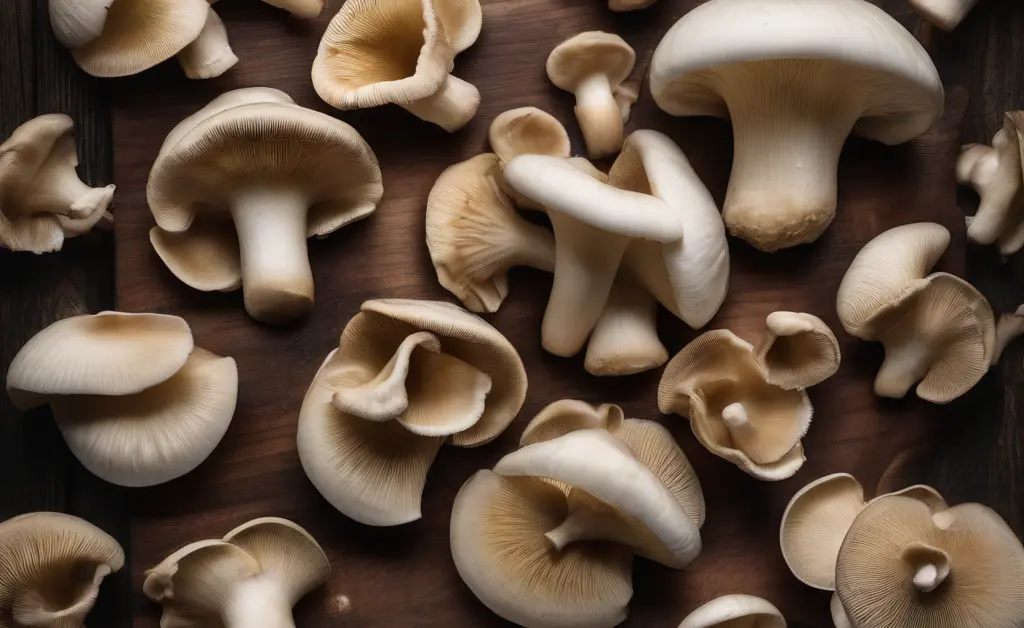
For those following a low-carb diet, finding an enoki mushroom substitute that fits dietary restrictions while still delivering on texture and flavor is important. Fortunately, many mushroom varieties are naturally low in carbohydrates. King oyster mushrooms, when sliced thin, offer a hearty, low-carb alternative that can be incorporated into many dishes. Likewise, sliced white button mushrooms or cremini mushrooms can provide a familiar earthy flavor and tender texture without adding significant carbs. Even thinly sliced zucchini or blanched asparagus tips can work as non-mushroom, low-carb options that mimic some of enoki’s delicate qualities.
Vegan Enoki Mushroom Substitute Options
All the mushroom alternatives discussed previously are inherently vegan, making them straightforward choices for a vegan enoki mushroom substitute. Oyster mushrooms, shimeji mushrooms, and king oyster mushrooms offer varying textures and subtle flavors that can easily integrate into plant-based dishes. For non-mushroom vegan options, mung bean sprouts remain a top contender for their crispness and mild taste. Thinly sliced daikon radish or even firm tofu cut into delicate strips can also provide interesting textural contrasts in vegan preparations, ensuring that the essence of the dish is preserved.
Best Enoki Mushroom Substitutes (Non-Mushroom)
When avoiding mushrooms altogether, whether for dietary preferences, allergies, or simply a desire for variety, several non-mushroom ingredients excel as an enoki mushroom substitute. Mung bean sprouts are consistently a favorite for their textural similarity, offering that signature crisp snap. For those seeking a more tender or substantial bite, very thinly sliced and lightly blanched daikon radish can provide a unique texture. Additionally, julienned zucchini or cucumber, while differing in flavor, can offer a refreshing crunch and visual appeal in raw or lightly cooked applications, serving as versatile enoki alternatives.
The culinary world offers a rich tapestry of ingredients, and while enoki mushrooms bring a distinct character to dishes, a wide array of substitutes can step in effectively. Whether you’re navigating availability issues, exploring new textures, or catering to specific dietary needs, understanding the characteristics of various alternatives allows for creative adaptation. By considering texture, flavor, appearance, and cooking methods, chefs and home cooks can confidently choose an enoki mushroom substitute that not only replaces but potentially enhances the dish, maintaining culinary integrity and satisfying diverse palates.
The content provided in this article is intended for informational learning, not clinical application. This information should not be used as a substitute for professional medical advice, diagnosis, or treatment. Always consult with a qualified healthcare provider for any questions regarding a medical condition or before making any decisions about your health or diet. Individual results may vary, and the suitability of any food or ingredient for personal consumption depends on various factors including allergies and sensitivities.
FAQ
What can I use as a substitute for enoki mushrooms?
When seeking an enoki mushroom substitute, consider ingredients that offer a similar delicate, slightly crisp texture when cooked. Thinly sliced king oyster mushrooms or even certain types of bean sprouts can mimic the bite and visual appeal in some dishes. You might also find that finely shredded shiitake mushrooms provide a comparable earthy flavor profile, though their texture will differ.
Which mushroom is most similar to enoki in texture?
Mushrooms like shimeji or beech mushrooms share a degree of resemblance to enoki in their cluster growth and a pleasant, firm yet tender texture when cooked. These varieties maintain a subtle crispness that can be desirable in stir-fries and soups. While not identical, they offer a comparable eating experience.
Can oyster mushrooms be substituted for enoki?
Oyster mushrooms can function as a substitute for enoki, particularly when sliced into thin strips. They offer a mild flavor and a slightly chewy texture that works well in many of the same culinary applications. While their shape is different, they absorb flavors readily and can provide a satisfying mushroom element to a dish.
Are there any good non-mushroom alternatives for enoki?
For a non-mushroom alternative that replicates the visual and textural qualities of enoki, consider using ingredients like enoki-style bean sprouts or bamboo shoots cut into thin slivers. These can offer a similar crunch and subtle flavor, especially in dishes where the mushrooms are used more for texture than as a dominant flavor component. Some find that finely shredded hearts of palm also provide a delicate texture.
Continue reading
You May Also Like
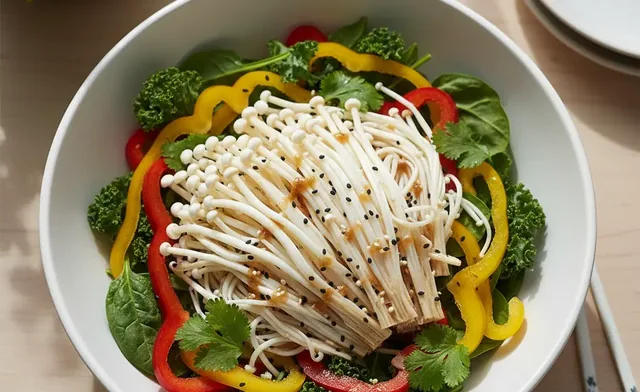
Finding the Perfect Enoki Noodle Substitute
Find a simple enoki mushroom substitute for noodles from seven options that offer a similar delicate texture for healthy, keto, or vegan meals.
A Chef's Guide to Cremini Mushroom Substitutes
The ideal cremini mushroom substitute for your dish depends on matching their flavor and texture, with options from portobello to white button.
A Chef's Guide to Enoki Mushrooms in Pho
Get the best texture and flavor from enoki mushroom for pho by following simple steps for cleaning, preparing, and adding them to the broth.