
Australian Puffball Mushrooms: Identification and Safety
Understanding the characteristics of fungi in various environments is crucial for safe interaction, especially when considering culinary uses. In Australia, the diverse landscape hosts several species of puffball mushrooms, some of which are prized edibles, while others can be unpalatable or even toxic. This guide aims to equip readers with the knowledge necessary to confidently identify these fascinating fungi, focusing on distinguishing edible varieties from their potentially harmful counterparts. By learning about their unique features, growth habitats, and common look-alikes, individuals can approach foraging with greater awareness and safety. This resource will delve into the specific traits of puffball mushroom australia species, helping enthusiasts appreciate their ecological role and potential culinary value responsibly.
Puffball Mushroom Australia Edible and Poisonous
The world of fungi in Australia is vast and varied, and puffball mushrooms are no exception. While many species of puffballs are considered edible and are enjoyed by foragers, it is paramount to understand that some can be unpalatable, and in rare cases, poisonous. Accurate identification is the cornerstone of safe foraging. A key characteristic for determining the edibility of a puffball mushroom found in Australia is the appearance of its internal flesh. Edible puffballs, when sliced open, will reveal a uniformly white, firm, and unblemished interior. Any discoloration, such as yellow, green, or purple hues, or the presence of a distinct gill structure, indicates that the mushroom is not a true puffball or is past its prime for consumption. Distinguishing these features is crucial to safely interacting with puffball mushroom australia species.
Edibility of Australian Puffball Mushrooms
For those interested in the culinary potential of Australian puffball mushrooms, focusing on young specimens with pure white flesh is essential. As puffballs age, their spores mature, and the internal flesh often turns yellowish or greenish, rendering them undesirable for eating. Some larger puffball species are highly regarded for their mild flavor and firm texture, which makes them versatile in the kitchen. However, always exercise caution; if there is any doubt about a mushroom’s identity, it should not be consumed. It’s also important to be aware of potential look-alikes, particularly those that might be immature forms of other, potentially harmful fungi.
Puffball Mushroom Australia Recipe
Once confidently identified as an edible species, a puffball mushroom Australia can be a delightful addition to various dishes. Their mild taste allows them to absorb other flavors well, making them suitable for many culinary applications. Commonly, puffballs are sliced and pan-fried, grilled, or added to stir-fries and stews. They can be battered and fried for a crispy texture or incorporated into omelets and quiches. Given their often substantial size, larger puffballs can even be used as a vegetarian steak substitute. Proper preparation and cooking are important to ensure both palatability and safety. Always clean the mushroom thoroughly and cook it completely before consumption.
Identifying Puffball Mushrooms in Australia
Identifying puffball mushrooms in Australia requires careful observation of several key characteristics. True puffballs are typically round or pear-shaped, lack a distinct cap and stem structure in the way gilled mushrooms do, and have a uniform inner flesh when young. The outer surface can vary from smooth to spiny. The most critical identification step is to slice the mushroom vertically from top to bottom. If the interior is solid white and uniform, without any signs of developing gills or a cap, it is likely a true puffball. If gills or an outline of a cap are visible, it could be the button stage of a gilled mushroom, some of which can be highly toxic. Always be cautious, as some toxic fungi can appear similar to edible puffballs in their early stages. Understanding these distinctions is vital when foraging for any puffball mushroom australia species.
Geographical Distribution
Puffball mushrooms are widespread across Australia, found in diverse habitats ranging from open grasslands to dense forests. Their presence is often linked to specific environmental conditions, including soil type, humidity, and the availability of decaying organic matter. Different species may prefer different ecosystems. For instance, some larger puffballs might be found in meadows or along forest edges, while smaller, pear-shaped varieties might cling to decaying wood. Knowing the typical habitats for various puffball species can aid in their identification and successful foraging efforts throughout the continent. To understand more about fungal research, you can consult resources like PubMed.
Common Puffball Mushroom Species in Australia
Australia hosts several common species of puffball mushrooms. Among the most recognized are members of the *Calvatia* genus, particularly the giant puffball (*Calvatia gigantea*), though it is less common here than in other parts of the world. More frequently encountered are species like *Calvatia bovista* or *Lycoperdon* species (common puffballs, pear-shaped puffballs). *Lycoperdon perlatum*, known as the common puffball, is often identified by its spiny outer surface. Another notable type is the earthball (*Scleroderma* species), which, while resembling puffballs externally, reveals a dark, purplish-black, firm interior when cut, making them inedible and mildly toxic. Understanding the specific characteristics of these common puffball mushroom australia varieties is fundamental for accurate identification and safe interaction.
Where to Find and Buy Puffball Mushrooms in Australia
Foraging for puffball mushrooms in Australia is a popular activity for many enthusiasts. They can often be found in open woodlands, grassy areas, and sometimes even suburban lawns, particularly after periods of rain. It’s important to respect land ownership and forage only where permitted. If foraging, always carry a reliable field guide specific to Australian fungi and, if possible, seek guidance from experienced local foragers. For those who prefer not to forage, fresh puffball mushrooms are less commonly found in standard supermarkets but may occasionally appear at farmers’ markets, specialty greengrocers, or through direct sales from mushroom growers, particularly if they cultivate specific gourmet varieties. Dried or processed forms of some mushroom types might also be available.
When Do Puffball Mushrooms Grow in Australia?
The growth of puffball mushrooms in Australia, like many other fungi, is largely dependent on environmental conditions, primarily moisture and temperature. Generally, they tend to appear most abundantly during the wetter seasons, which can vary across Australia’s diverse climatic zones. In many temperate regions, late summer and autumn, following significant rainfall, are often prime times for puffball emergence. However, some species may also fruit during spring, especially after a period of warm, moist weather. Favorable conditions typically include high humidity, mild temperatures, and the presence of decomposing organic matter in their preferred habitats. Understanding these seasonal patterns can increase the likelihood of a successful find.
The world of Australian puffball mushrooms offers both culinary delights and a fascinating glimpse into the fungal kingdom. With careful identification, an understanding of their unique characteristics, and a healthy respect for safety guidelines, individuals can responsibly appreciate these interesting fungi, whether encountered in the wild or through careful cultivation. Always prioritize accurate identification and, when in doubt, err on the side of caution to ensure a safe experience with these remarkable organisms.
The content provided in this article is intended for informational learning, not clinical application. This information should not be used as a substitute for professional advice or diagnosis. Always consult with qualified experts for any concerns regarding mushroom identification, edibility, or consumption. The author and publisher do not assume responsibility for any adverse effects that may arise from the use of information presented herein.
FAQ
Are puffball mushrooms found in Australia?
Yes, puffball mushrooms are found in Australia and grow in various habitats across the continent. Their presence contributes to the diverse fungal ecosystems present in the region.
What kind of puffball mushrooms grow in Australia?
Australia is home to several species of puffball mushrooms, including those in the *Lycoperdon* and *Calvatia* genera. These mushrooms vary in size and appearance, reflecting the continent’s varied environments.
Can you eat puffball mushrooms in Australia?
Some puffball mushrooms are edible, but proper identification is crucial before consumption. Only young, firm, and white specimens are considered safe to eat, as older or discolored puffball mushroom australia can be unpalatable or even toxic.
When do puffball mushrooms appear in Australia?
Puffball mushrooms typically emerge after periods of rain, especially during the warmer months and autumn. Their fruiting season is influenced by local weather patterns and moisture availability.
Does puffball mushroom edible?
Certain puffball mushrooms are indeed edible and have been consumed by people for centuries. However, it is essential to confirm the identity of any wild mushroom before considering it for consumption.
Continue reading
You May Also Like
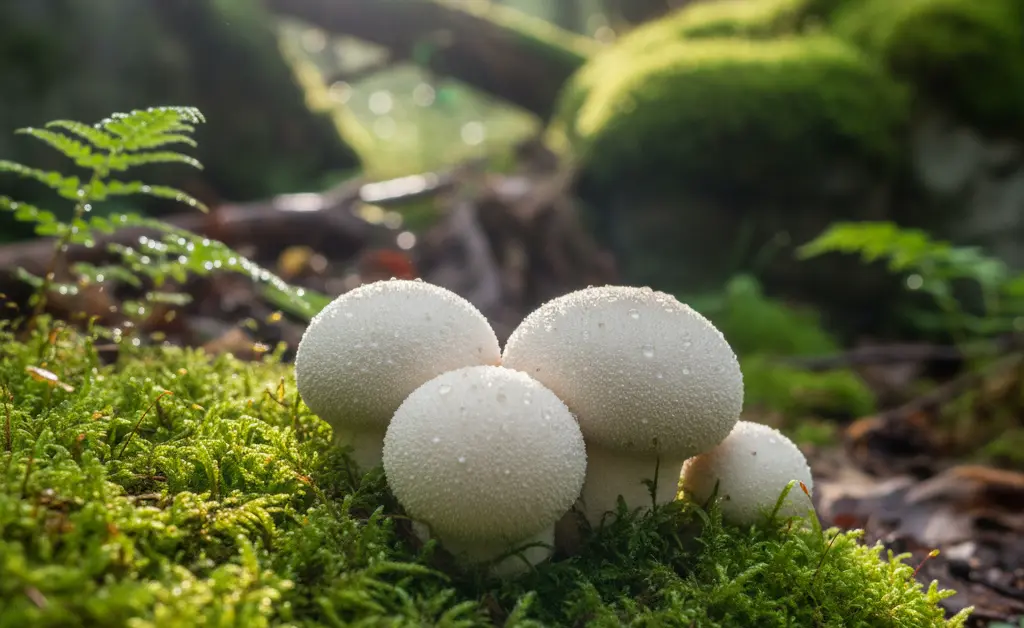
Australian Puffball Mushrooms: Identification and Safety
Identifying a true puffball mushroom australia is simple once you know the key features that separate the edible types from toxic look-alikes.
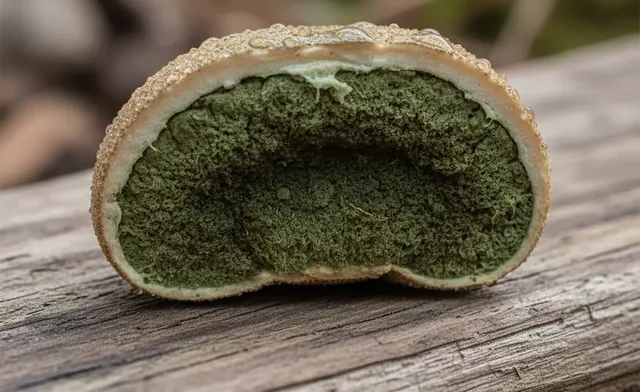
A Puffball's Green Core: Spore Maturity and Safety
If you find a puffball mushroom green inside, it means the fungus has matured to produce its spores and is no longer considered safe to eat.
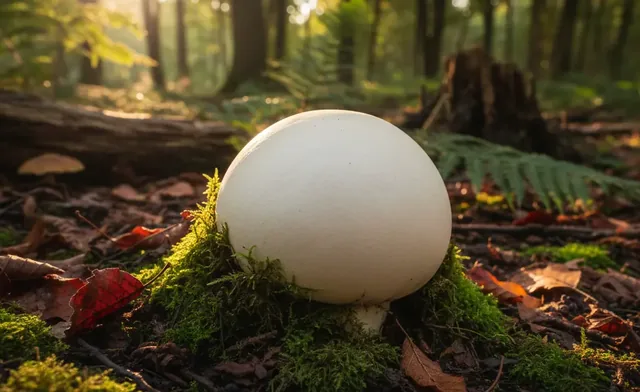
Puffball Mushroom Michigan: A Guide to Identification and Foraging
Correctly identify the prized puffball mushroom Michigan foragers seek by learning key features, prime hunting spots, and the best seasons.