
Puffball Mushrooms: Psychedelic Myth vs. Edible Reality
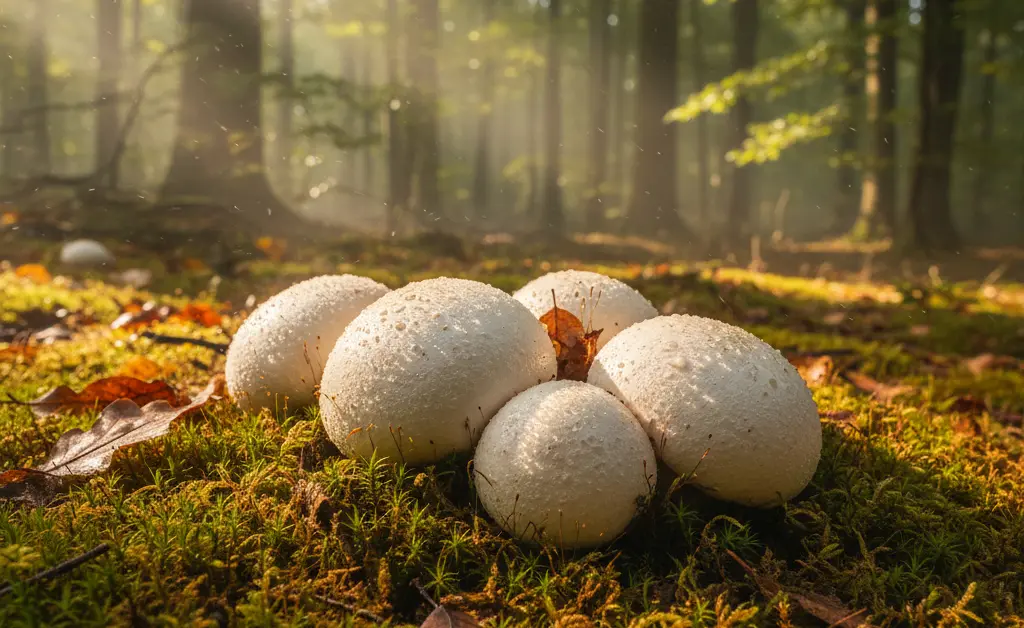
Many people encounter various wild mushrooms and wonder about their properties, often leading to questions about their effects. A common assumption that circulates in discussions about wild fungi is whether certain types possess psychoactive compounds. A common belief is whether certain types possess psychoactive compounds. This is particularly true for puffball mushrooms, which are often mistakenly associated with mind-altering substances due to their unique appearance and sometimes mysterious reputation. However, it’s important to clarify that the common belief regarding the puffball mushroom psychedelic effect is a misconception. In reality, most puffball varieties are known for their culinary value and are considered edible, rather than having any psychoactive properties. This article aims to dispel these myths and provide clear, accurate information about puffball mushrooms, distinguishing their true characteristics from widespread misunderstandings.
Are Puffball Mushrooms Psychedelic?
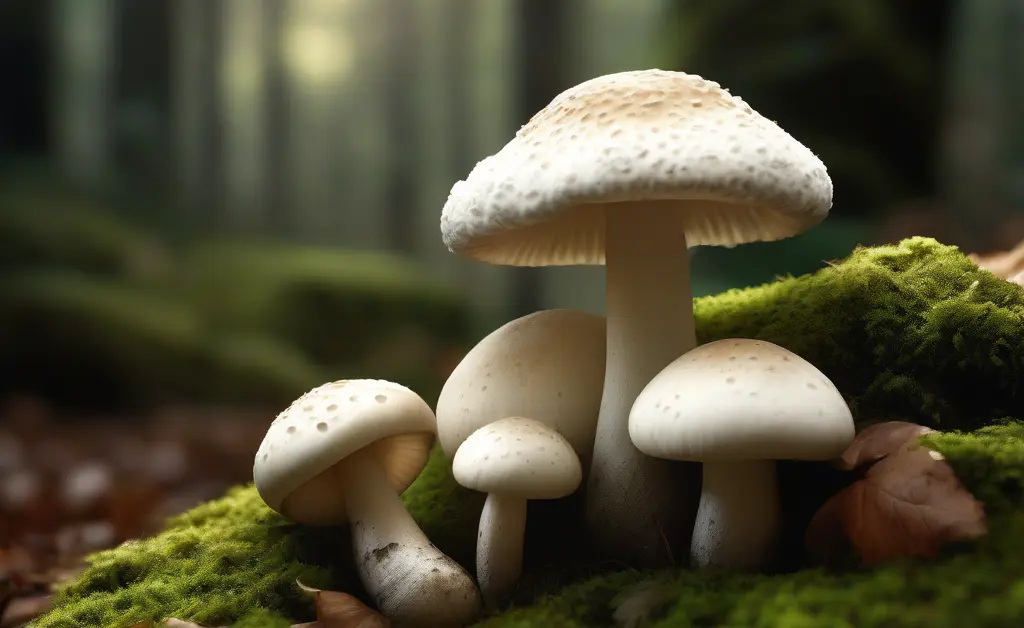
Despite persistent rumors, puffball mushrooms are not known to possess psychedelic properties. The notion of a puffball mushroom psychedelic effect often stems from a general misunderstanding of wild fungi and a lack of specific knowledge regarding different species. Scientific analysis of commonly found puffball varieties has not revealed the presence of compounds like psilocybin or psilocin, which are responsible for the psychoactive effects in certain other mushroom species. Therefore, any anecdotal reports suggesting otherwise are likely based on misidentification or misconception.
Are Puffballs Psychoactive?
Puffball mushrooms, across their various species, are generally not considered psychoactive. They do not contain any compounds that are known to alter perception, mood, or cognitive processes in the way that hallucinogenic mushrooms do. Their primary chemical makeup is characteristic of edible fungi, composed mainly of water, proteins, carbohydrates, and some vitamins and minerals. The absence of psychoactive substances distinguishes them clearly from species that are intentionally sought for their mind-altering effects. Learn more about puffball mushrooms.
What Does a Puffball Mushroom Do to You?
When consumed, puffball mushrooms primarily provide nutritional benefits and culinary enjoyment, assuming they are correctly identified as edible varieties and prepared properly. They are appreciated for their mild flavor and often dense, meaty texture, making them a popular choice in various cuisines. Edible puffballs are often sliced and fried, baked, or added to stews and soups. They do not induce any non-ordinary states of consciousness or physiological effects beyond those of a regular food item. However, like any food, improper identification or preparation could potentially lead to digestive upset, but not psychoactive experiences.
Puffball Mushroom Psychedelic: Edible or Poisonous?
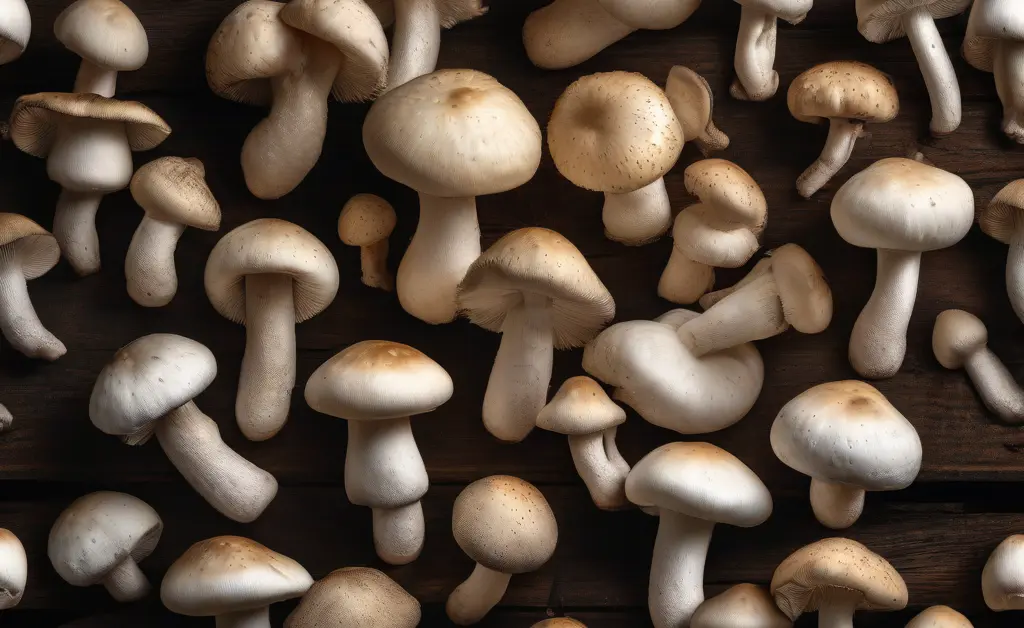
The classification of puffball mushrooms generally falls into either edible or non-edible (but rarely deadly poisonous) categories, with no known species exhibiting a puffball mushroom psychedelic effect. The most crucial aspect of consuming wild puffballs is accurate identification to ensure safety. While many are safe and delicious to eat, it is vital to distinguish them from other fungi, especially young, button-stage poisonous mushrooms, which can sometimes superficially resemble puffballs.
Distinguishing from Psychedelic Mushrooms
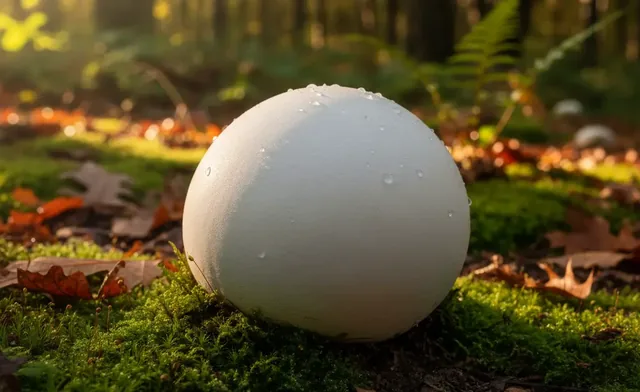
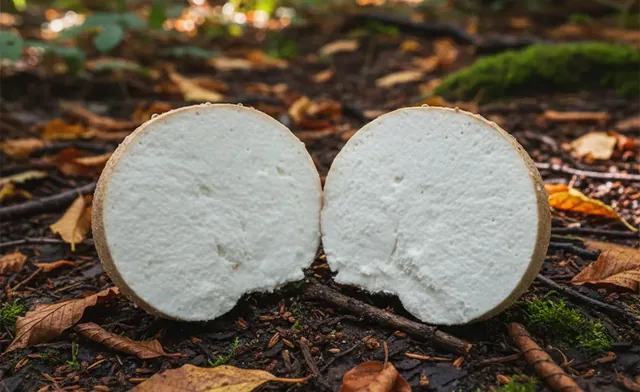
Distinguishing puffballs from psychedelic mushrooms is critical for safety. Psychedelic mushrooms typically have gills, stems, and caps, which are features generally absent in true puffballs, especially when young. Puffballs, particularly the giant varieties, are characterized by a round or pear-shaped fruiting body that lacks distinct gills and a stem. Their interior is white and uniform when young and firm, turning to spores as they mature. Psychedelic mushrooms, on the other hand, often have dark gills, a distinctive stem, and may exhibit a bluish bruising reaction when handled. Accurate puffball mushroom psychedelic identification relies on careful observation of these structural differences, as well as spore print characteristics, to avoid dangerous misidentification. Reliable information on mushroom identification can be found through resources like Cochrane Library.
Giant Puffball Mushroom: Psychedelic Properties and Price
The giant puffball mushroom (Calvatia gigantea) is one of the most recognizable and sought-after edible fungi. It is widely prized for its substantial size and culinary versatility. Despite its impressive appearance, the giant puffball possesses no known psychedelic properties; it is entirely non-psychoactive and is safely consumed by many people globally. Its value is purely culinary, often being harvested for personal consumption or sold in specialty markets. Discussions around the “price” of giant puffball mushrooms typically refer to their market value as a gourmet food item rather than any illicit or recreational worth associated with psychoactive substances. Their commercial availability can vary depending on region and season, reflecting their status as a wild-harvested delicacy.
In conclusion, the widespread belief in a puffball mushroom psychedelic effect is a misconception. Puffball mushrooms are primarily known for their culinary value and are considered safe edibles when properly identified. They do not contain any psychoactive compounds and should not be confused with hallucinogenic mushroom species. Always prioritize accurate identification and consult with expert mycologists or reliable field guides before consuming any wild fungi.
This article aims to inform, not to replace professional healthcare advice. The information provided is for general knowledge and informational purposes only, and does not constitute medical advice. It is essential to consult with qualified healthcare professionals for any health concerns or before making any decisions related to your health or treatment.
FAQ
Are puffball mushrooms hallucinogenic?
No, puffball mushrooms are not known to be hallucinogenic. They do not contain psilocybin or other psychoactive compounds commonly found in psychedelic mushrooms.
Continue reading
You May Also Like
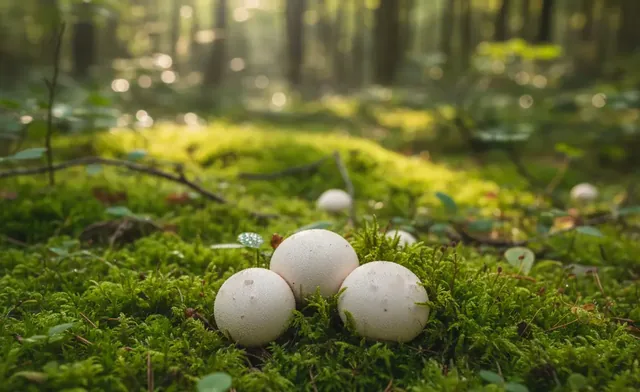
A Forager's Guide to Edible Puffball Mushrooms
While many puffballs are a forager's delight, confidently knowing which puffball mushroom is edible is crucial for safe identification and cooking.
Identifying Edible Puffball Mushrooms in Maryland
This guide details how to identify the edible puffball mushroom Maryland, covering key characteristics and the best times for safe foraging.
Identifying Edible Puffball Mushrooms in Ohio
Correctly identify the puffball mushroom ohio with this guide to its key features, edibility, and how to safely distinguish it from toxic lookalikes.