
Foraging for Puffball Mushrooms in Utah
The scent of fresh basil filled the kitchen as I pondered what unique ingredient could elevate tonight’s dinner. My thoughts drifted to the crisp, autumn air and the promise of a bountiful harvest. Just last week, during a hike through the foothills, I spotted a curious, white orb peeking out from under a fallen log. Could it be? The excitement was palpable. Foraging for wild edibles has always been a passion, connecting me to nature in a profound way. That discovery led me down a path of research, culminating in a delicious meal. This guide will explore the fascinating world of the puffball mushroom utah, helping you understand where to find them, how to identify them, and how to safely enjoy this unique culinary delight.
What is a Giant Puffball Mushroom?
A giant puffball mushroom, scientifically known as Calvatia gigantea, is a fascinating fungus recognized for its immense size and distinctive spherical or pear-like shape. Unlike gilled mushrooms, puffballs produce spores internally within a sac-like structure. These remarkable fungi can grow quite large, sometimes reaching diameters of over a foot. Their external appearance is typically smooth, white, and leathery when young, evolving to a yellowish or brownish hue with age. Understanding their growth habits and life cycle is key to appreciating these unique organisms, which are often found growing directly on the ground in grassy areas, meadows, and open woodlands.
Common Puffball Species in Utah
Utah is home to several types of puffball mushrooms, varying in size and appearance. Beyond the well-known giant puffball, you might encounter species like the somewhat smaller Western puffball (Calvatia booniana), which often features a more warted or scaly exterior. Other common varieties include pear-shaped puffballs (Lycoperdon pyriforme), which tend to grow on decaying wood, and gem-studded puffballs (Lycoperdon perlatum), characterized by their spiny surface. While their sizes range from small, golf-ball-sized specimens to the truly colossal giants, many share the common characteristic of a uniform white interior when young and edible.
Puffball mushroom utah edible
Discovering an edible puffball mushroom utah can be a rewarding experience for any forager, offering a unique culinary ingredient. Generally, puffball mushrooms are considered edible when they are young, firm, and pure white throughout their interior. This internal whiteness is a critical indicator of edibility. As they mature, the flesh begins to yellow, then brown, eventually turning into a powdery, greenish-brown spore mass. At this stage, they are no longer suitable for consumption. Proper identification and understanding of their life cycle are paramount to safely enjoying these fungal treasures. For more detailed information on puffball mushrooms, you can visit puffball mushroom.
Is this giant puffball mushroom in Utah edible?
When encountering a giant puffball mushroom in Utah, determining its edibility hinges on several factors. The most crucial sign is the internal consistency: it must be uniformly white and firm, with a marshmallow-like texture. Any discoloration, such as yellowing, browning, or purpling, indicates that the mushroom is past its prime for eating. Furthermore, an important safety step involves slicing the puffball in half to ensure there are no hidden gill structures inside, which would suggest it’s a different, potentially poisonous species. Giant puffballs are typically considered safe to eat when they meet these strict internal criteria, but always err on the side of caution.
Puffball mushroom utah recipe
Once you’ve confirmed the edibility of a puffball mushroom utah, a world of culinary possibilities opens up. The mild flavor and firm texture of young puffballs make them versatile in the kitchen. Many enjoy slicing them into thick steaks and pan-frying them, often breaded with herbs and spices, to create a satisfying, meat-like dish. They can also be diced and added to stir-fries, soups, or stews, where they absorb flavors beautifully. Another popular method is to grill or roast puffball slices, perhaps marinated in olive oil and garlic. Their subtle taste allows them to complement a wide range of ingredients and cooking styles.
Giant puffball mushroom utah
The sight of a giant puffball mushroom utah in its natural habitat is often a memorable one for foragers. These impressive fungi, which can sometimes weigh several pounds, stand out against the landscape. They are particularly sought after due to their size, which provides a substantial amount of edible flesh. While their appearance can be quite striking, it’s essential to remember that even within the giant puffball category, rigorous identification is key. Their robust nature means they often offer a significant harvest, making them a favorite among those who enjoy wild edibles.
Puffball mushroom utah poisonous
While many puffball mushrooms are edible, there are look-alikes that can be poisonous, making careful identification critical. Immature button mushrooms, which include poisonous species like some Amanita varieties (such as the deadly destroying angel), can sometimes resemble young puffballs. The key distinguishing feature for true puffballs is their solid, uniform, white interior with no visible gill structures or outlines of gills. If sliced open, any sign of internal differentiation, especially the formation of a cap and stem, indicates it is not a true puffball and should be discarded immediately. The risks of misidentification are severe, so when in doubt, it is always best to leave the mushroom alone. Understanding mushroom toxicity is crucial for foragers; research from institutions like NIH provides valuable insights into health and safety.
Identifying Edible Puffballs in Utah
Accurately identifying an edible puffball mushroom utah is crucial for safe foraging. Beyond the absence of gills, edible puffballs must possess a pure white, firm flesh throughout when cut open. If the flesh shows any signs of yellowing, browning, or purpling, it is too old for consumption. The outer skin should be firm and relatively smooth, though some edible species may have small warts or spines. Always be wary of small, firm, white, round mushrooms with a distinct stem or internal structures. These could be the “egg” stage of deadly Amanita species. A key identification feature is the complete absence of a cap and stem structure within the mushroom’s body. When inspecting a potential puffball, a clean, sharp slice down the middle will reveal its internal characteristics, confirming whether it is suitable for eating.
Where to Find Puffball Mushrooms in Utah
Understanding the preferred habitats will guide you in finding a puffball mushroom utah. These fungi typically thrive in open woodlands, meadows, pastures, and grassy areas, especially after periods of rain during late summer and fall. They can often be found at the edges of forests or in clearings where there is ample light and moisture. While they primarily grow on the ground, some smaller species may be found on decaying wood. Familiarizing yourself with local ecosystems and the best times of year for foraging will greatly increase your chances of a successful search. The specific elevation and microclimates within Utah can also influence their distribution, so exploring various environments may prove fruitful.
Edibility of Giant Puffball Mushrooms
The edibility of giant puffball mushrooms hinges entirely on their freshness and proper identification. When young and in peak condition, they are considered a choice edible. The process of preparing them often begins with gently cleaning the exterior with a damp cloth or soft brush to remove any dirt or debris. Peeling the outer skin is optional, but many prefer to do so for a smoother texture. Once cleaned, they should be sliced into desired portions and cooked promptly. Giant puffballs do not store well fresh for extended periods; if not consumed immediately, they may be blanched and frozen, or cooked and then frozen to preserve their quality. Always remember that the internal flesh must remain perfectly white and firm to be considered safe and palatable.
Foraging for wild edibles, like the puffball mushroom in Utah, offers a wonderful way to connect with nature and discover unique culinary ingredients. However, it is an activity that demands respect, knowledge, and caution. The thrill of discovery is balanced by the responsibility of accurate identification to ensure safety and enjoyment. By understanding their characteristics, habitats, and potential look-alikes, you can approach the world of puffball foraging with confidence and a discerning eye, bringing a truly special component to your table.
This article aims to inform, not to replace professional healthcare advice. Information provided regarding the edibility of wild mushrooms is for general knowledge and educational purposes only. Foraging for wild mushrooms carries inherent risks, including misidentification and potential toxicity. Always exercise extreme caution and consult with an expert or mycologist before consuming any wild fungi. Never rely solely on information from a single source when determining the edibility of a mushroom.
FAQ
When are puffball mushrooms in season in Utah?
Puffball mushrooms typically emerge in Utah during the late summer and fall months. Their appearance is often influenced by rainfall, with fruiting bodies generally appearing after periods of significant moisture.
How can you tell if a puffball mushroom is edible?
For a puffball mushroom to be considered safe for consumption, its interior must be uniformly white and solid, resembling a marshmallow. Any discoloration, such as yellowing or browning, or the presence of developing gills or cap structures, indicates that it is not a young, edible puffball and should be avoided.
Are puffball mushrooms safe to eat?
When harvested in their immature, all-white stage, puffball mushrooms are generally considered safe to eat. However, it is crucial to correctly identify them, as immature versions of some toxic mushrooms can be mistaken for puffballs.
How do you know if a puffball mushroom is edible?
The key indicator for an edible puffball mushroom is its internal structure: it should be solid white throughout, without any signs of developing gills or a distinct mushroom shape inside. If you cut a puffball mushroom in half and find it’s not uniformly white and spongy, it’s best not to consume it.
What do puffball mushrooms look like?
Puffball mushrooms are characterized by their spherical or pear-shaped fruiting bodies, lacking a distinct stem and cap. They grow close to the ground and, when mature, release spores in a cloud-like puff when disturbed.
Can you eat any puffball mushroom?
Not all puffball mushrooms are edible, as the term “puffball” describes a general shape rather than a specific species. Only young, immature puffball mushrooms that are solid white inside are considered safe for consumption.
Continue reading
You May Also Like
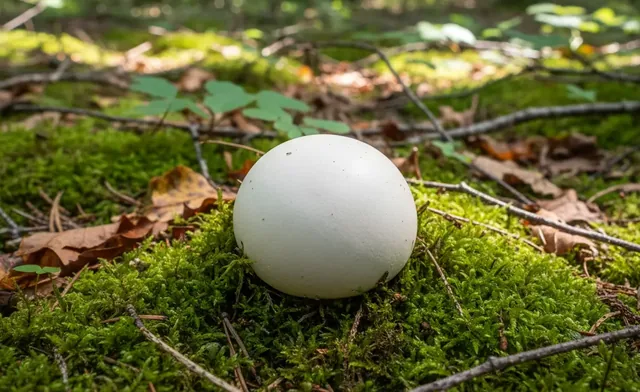
A Guide to Foraging Puffball Mushrooms in Georgia
Safely identify the puffball mushroom Georgia with our guide covering key visual traits, common habitats, and how to avoid toxic look-alikes.
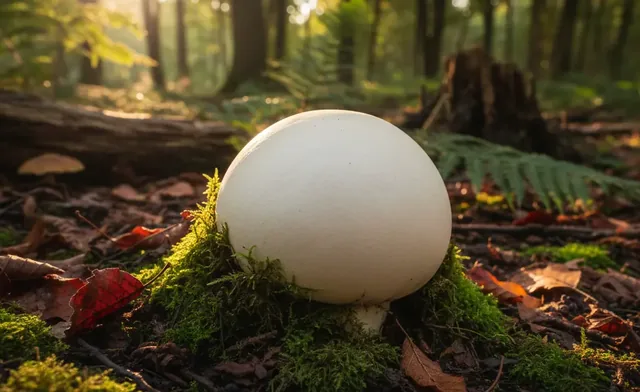
Puffball Mushroom Michigan: A Guide to Identification and Foraging
Correctly identify the prized puffball mushroom Michigan foragers seek by learning key features, prime hunting spots, and the best seasons.
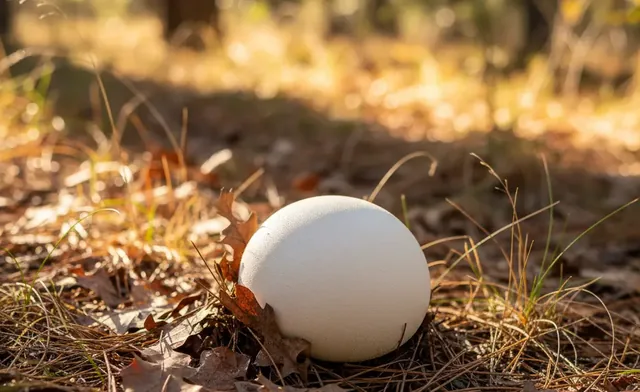
Foraging Puffball Mushrooms in New Mexico
Find delicious, edible puffball mushroom new mexico with our complete guide on where to look, how to safely identify them, and what to cook.